
Reviewed · CONCERTS
Budapest: Concert on the Oldest Working Organ in the City
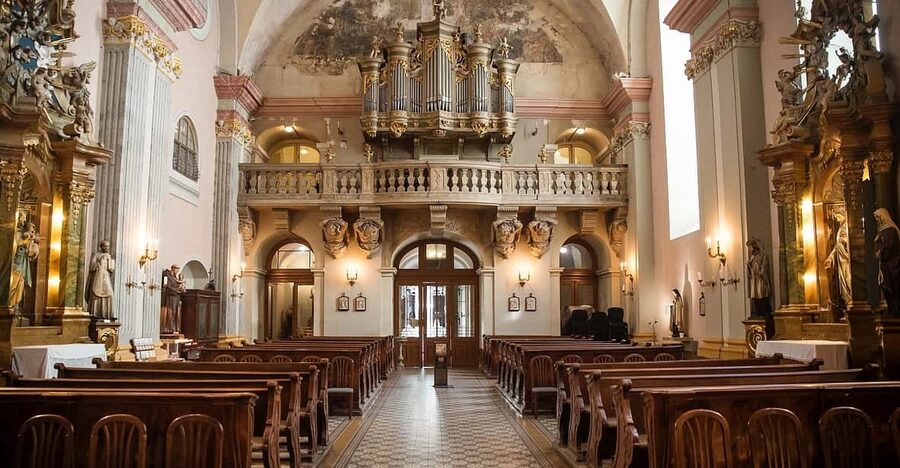
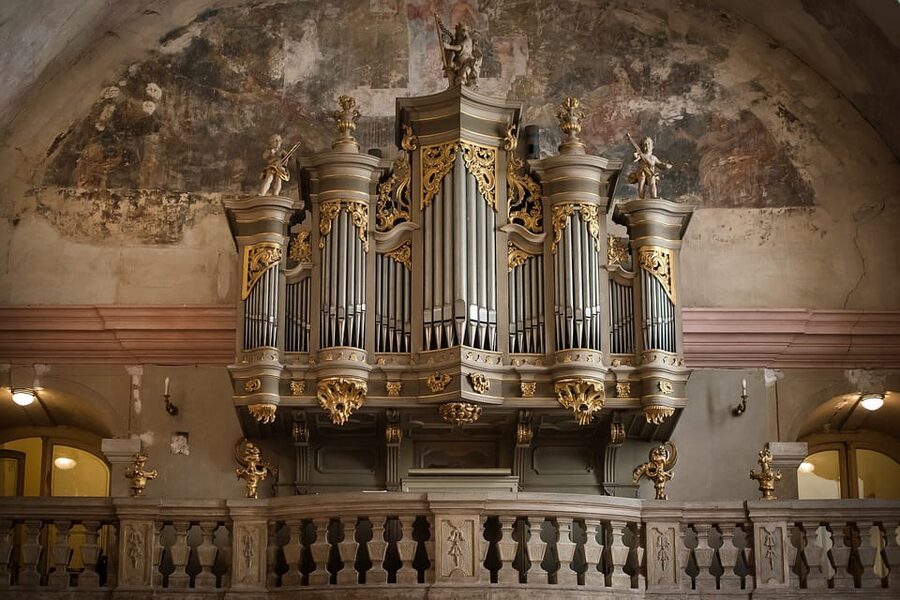
Budapest’s oldest working organ is a modest 25-pipe instrument inside St. Michael’s Baroque Church, not a giant cathedral machine. That smaller scale is part of its charm: you sit close to the music, watch the organist on a screen, and hear the church’s acoustics do their work.
I love the setting and the strong artistic programme. I also like the variety: one date may bring Bach’s demanding organ works, while another mixes Mozart, Liszt, old Hungarian compositions, and Dubois. The main consideration is that the exact programme and performers change by date, so check before booking if you have a particular composer in mind.
In This Review
- Key points to know
- A Small Organ With a Big Musical Job
- What Your 70 Minutes Looks Like
- The Music: From Bach to Old Hungarian Works
- Miklós Teleki and the Concert Performers
- Why the Church Setting Matters
- A Good Value at $24
- Planning Your Visit in Central Budapest
- What You Cannot Do During the Concert
- Who Will Enjoy This Concert Most
- My Booking Advice
- FAQ
- Where is the organ concert held?
- How long does the concert last?
- Who performs at the concert?
- Is every concert a solo organ performance?
- Are an introduction and programme included?
- Can I record the performance?
Key points to know
- Budapest’s oldest working organ: A 25-pipe instrument in St. Michael’s Church, near the Danube.
- Miklós Teleki performs most dates: The award-winning Hungarian organist gives about 120 organ and piano recitals each year.
- Programmes vary: Expect solo organ music or chamber concerts, with works by Bach, Vivaldi, Mozart, Liszt, Franck, Handel, Mendelssohn, Purcell, Dubois, and Hungarian composers.
- A close look at the performance: The organist can be followed on a screen, and an English and Hungarian introduction explains the programme.
- A compact evening activity: The concert lasts 70 minutes and costs $24 per person, with no transport included.
- Selected chamber dates feature soprano Nóra Ducza: These include May 30, July 18, August 29, October 17, and December 23.
A Small Organ With a Big Musical Job
This concert works because it joins three pleasures that Budapest does well: old churches, serious music, and a short evening activity that fits neatly into a sightseeing schedule.
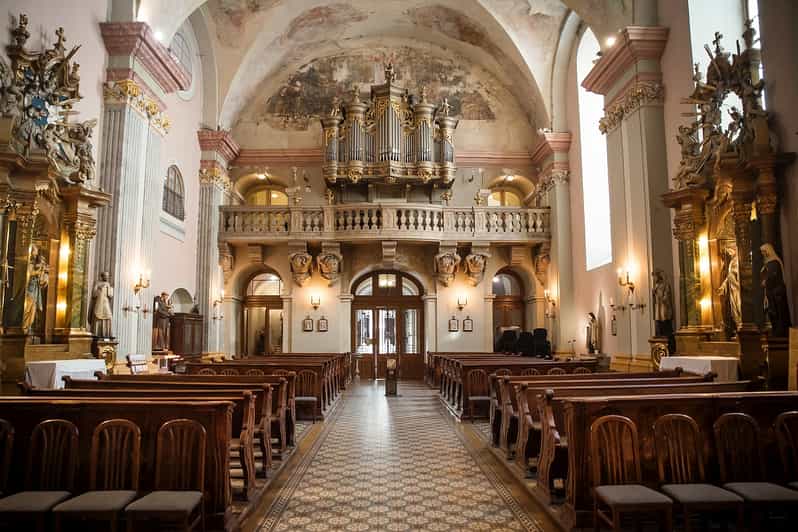
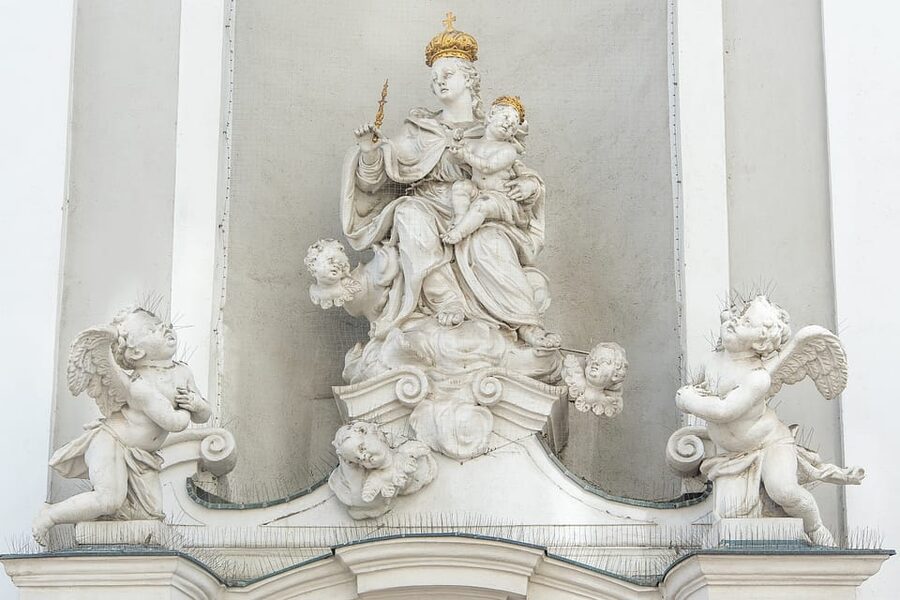
St. Michael’s Church is a white building at the corner of Váci utca and Nyáry Pál utca in the 5th District. The address is 1056, and the church is quite near the Danube. You arrive on your own, enter at the church, and return to the same place when the 70-minute programme ends.
The organ itself is not a huge cathedral organ with rows of pipes towering overhead. It is a 25-pipe instrument installed in the church, where acoustics and appearance work together. That makes this a different experience from a grand concert hall recital. The sound belongs to the church, and the building is part of what you are paying for.
I find that appealing for a first classical concert in Budapest. You do not need to know the technical details of organ building to enjoy the setting. The short introduction gives you enough context, while the printed leaflet helps you follow the music and learn about the instrument.
A few more Budapest trips to weigh up
- Budapest Danube Cruise and Dinner Options, Live Music and Dance
★ 4.5 · 7,428 reviews - Budapest: Evening Cruise including Drinks and Live Music
★ 4.1 · 5,512 reviews - Budapest: Candlelit Dinner River Cruise with Live Music
★ 4.7 · 2,154 reviews
What Your 70 Minutes Looks Like
The concert begins with a brief introduction in English and Hungarian. This is useful rather than lengthy. You learn who is performing, what is on the programme, and something about the organ before the music starts.
A printed programme leaflet is provided in both languages. Keep it with you during the concert. Organ programmes can otherwise become a blur of titles, composers, and catalogue numbers, especially when a work has several movements.
The organist’s playing can be seen on a screen. That small detail matters. From your seat, you may not have a clear view of the console or the performer’s hands, but the screen gives you a better sense of the work involved. Organ music is not just about pressing keys. The performer manages manuals, pedals, registration, and changes in tone, and the screen lets you follow more of that action.
The main concert follows, with the programme depending on your date. Some evenings are devoted to solo organ music. Others are chamber concerts, pairing the organ with soprano Nóra Ducza.
The activity ends back at the church after about 70 minutes. That makes it easy to place before dinner, after an afternoon walk, or between other central Budapest plans. Starting times vary, so check the available date carefully rather than assuming every concert begins at the same hour.
The Music: From Bach to Old Hungarian Works
The Bach programmes offer the most substantial organ evening in the series. A sample programme includes the Prelude and Fugue in B minor, the Trio Sonata in E-flat major, the A minor Concerto adapted from Vivaldi, the Pastorella, and the Prelude and Fugue in E-flat major.
That is a serious selection. You get contrast within the same composer: formal counterpoint, lighter chamber-like writing, dance movements, and large-scale works that show off the organ’s range. The Vivaldi arrangement is especially useful for hearing how a piece written for instruments can take on a new character at the organ.
A different programme may begin with Mozart’s Fantasy in F minor, then move through six old Hungarian organ compositions from Kilián Szigeti’s collection. Liszt appears with Consolation in D-flat major and Nun danket alle Gott, followed by Théodore Dubois’s In Paradisum and Toccata in G major. The evening ends with Bach’s Nun komm, der Heiden Heiland and the famous Toccata and Fugue in D minor.
That mix gives you a broader view of the organ tradition. You hear familiar names, but the Hungarian pieces and less familiar works keep the programme from feeling like a greatest-hits playlist. If you want only the famous Bach pieces, check the date. If you like discovering music you have not heard before, the mixed programmes are a better bet.
Other composers represented across the concert series include Franck, Handel, Mendelssohn, Purcell, and Vivaldi. Old Hungarian organ music is also part of the selection. The result is a rotating programme rather than one fixed concert repeated every week.
Miklós Teleki and the Concert Performers
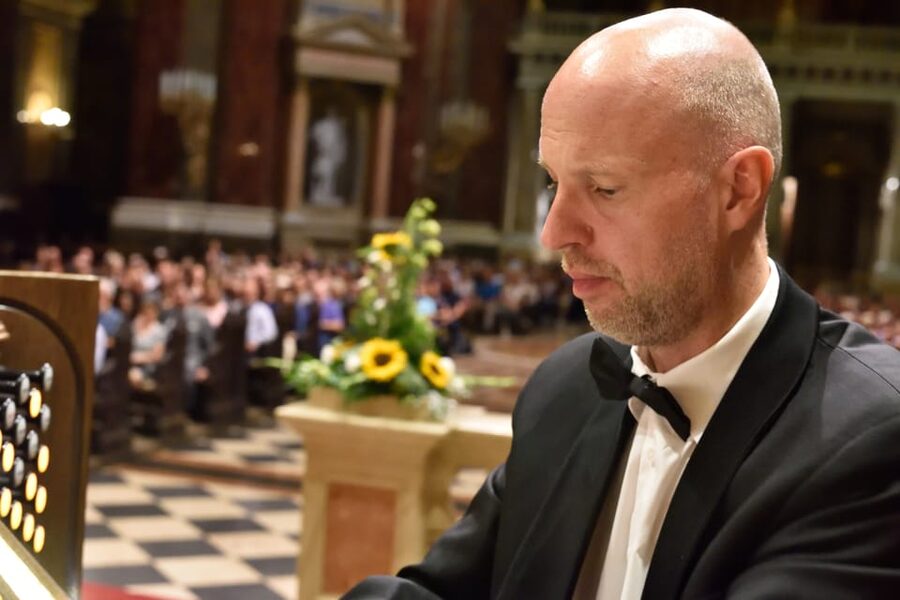
Miklós Teleki is the creative director and main organist of the Majestic Sounds series. He is an award-winning Hungarian musician who gives about 120 organ and piano recitals a year, and he performs at almost all the concerts.
That consistency is useful. If you book a date featuring Teleki, you know you are seeing the musician who shapes the series, not simply an unnamed substitute. His playing has been praised for its range, control, and emotional force, particularly in demanding works by Bach.
There are a few named exceptions. Andres Uibo, an excellent Estonian musician, plays on July 4. Tamás Lozsányi, another accomplished Hungarian organist, performs on October 31.
The chamber concerts add soprano Nóra Ducza, a young singer who performs with Teleki. These dates are May 30, July 18, August 29, October 17, and December 23. If you prefer the contrast of voice and organ, choose one of these dates rather than a solo organ programme.
The dates listed for chamber music are especially helpful when planning ahead. The series also includes two Tuesday night concerts in 2025, on December 23 and December 30. Since schedules can change, confirm the programme and performer when you select your ticket.
Same riverbank, a completely different kind of day:
- Budapest: Unlimited Prosecco, Beer and Aperol Spritz Cruise
★ 4.8 · 25,310 reviews - Budapest: Széchenyi Spa Day Ticket with Optional Upgrades
★ 4.3 · 23,911 reviews - Budapest: Nighttime or Daytime Sightseeing Cruise
★ 4.2 · 21,062 reviews - Budapest: 1-Hour Evening Sightseeing Cruise with Drink
★ 4.5 · 8,330 reviews
Why the Church Setting Matters
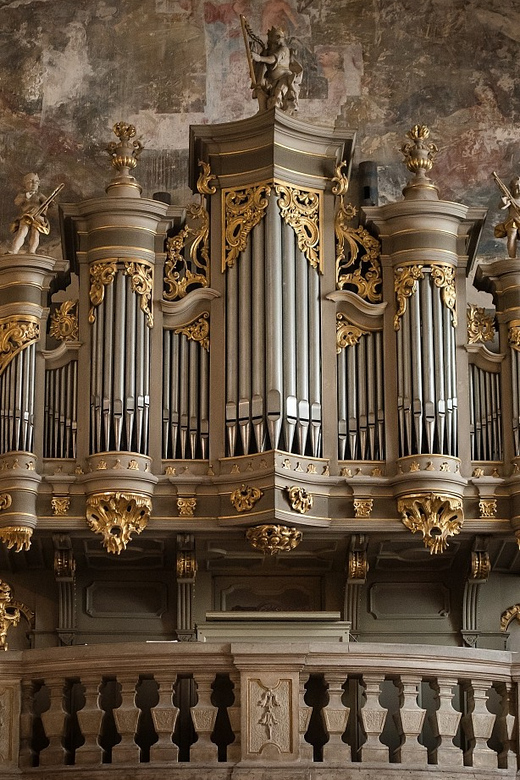
You are not simply sitting in a room while an organ happens to be nearby. The church gives the music its sense of place.
Baroque church interiors were designed to support worship through sound as well as sight. Organ music belongs naturally in that setting. A sustained note can linger, while quick passages gain a different texture from the church’s acoustics.
The venue is also more intimate than a major concert hall. The organ is described as a 25-pipe beauty, so you should not expect the overwhelming power of a massive cathedral instrument. That may disappoint someone looking for thunderous volume and a huge visual display.
For me, the smaller scale is a fair trade. You get a focused recital in a working church, with the instrument and architecture close at hand. The setting feels less like a grand spectacle and more like a carefully presented musical evening.
A Good Value at $24
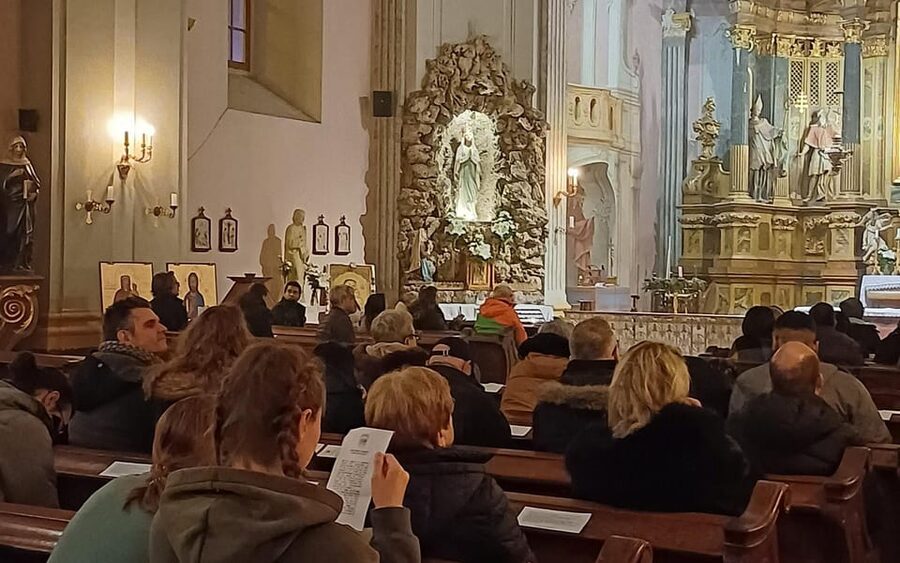
At $24 per person, this is reasonably priced for a live classical concert in central Budapest. Your ticket covers entry, the organ performance, the programme leaflet, and the short introduction in English and Hungarian.
The value depends on what you want from an evening. If you are seeking a long guided tour, food, transport, or several sights in one package, this is not that. There is no guide and no transportation, so you need to get to Váci utca and Nyáry Pál utca yourself.
If you want 70 quiet minutes in a historic church with a professional musician and a planned classical programme, the price makes sense. You are paying for a complete concert, not background music in a tourist venue.
The strongest value comes from choosing the right date. A Bach programme may appeal to you if you already enjoy organ music. A mixed programme with Mozart, Liszt, Dubois, and Hungarian works may suit you better if you want variety. The chamber dates offer another option without changing the basic length or price.
Planning Your Visit in Central Budapest
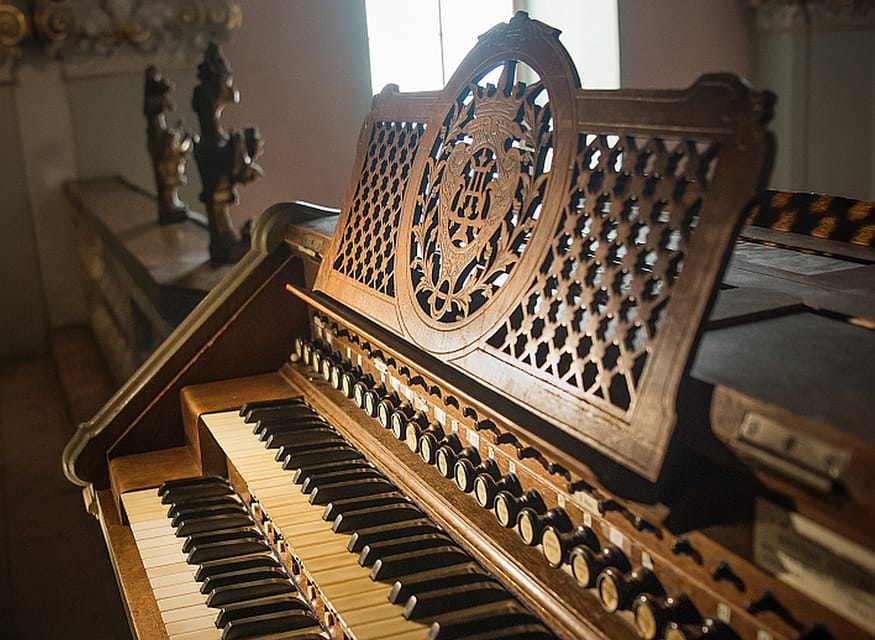
St. Michael’s Church is in Budapest’s 5th District, close to the Danube and at the corner of Váci utca and Nyáry Pál utca. Use the exact corner and the white church building as your visual check when you arrive.
The activity does not include transport, so allow enough time to reach the meeting point. You do not need to join a separate walking tour or find a second location afterward. The concert starts and ends at the church.
One practical benefit is skip-the-ticket-line entry. At the door, staff check the list of ticket holders. That means you should have a smoother arrival than an event that requires exchanging a voucher at another office.
The concert is wheelchair accessible. If that matters for your planning, this is a helpful feature, though the provided information does not specify seating arrangements inside the church. The best approach is to check any seating question before booking.
You may cancel up to 24 hours in advance for a full refund, and reserve now while paying later. Those options help if your Budapest schedule is still shifting. Still, do not wait too long for a popular date if you need a particular programme or chamber performance.
What You Cannot Do During the Concert
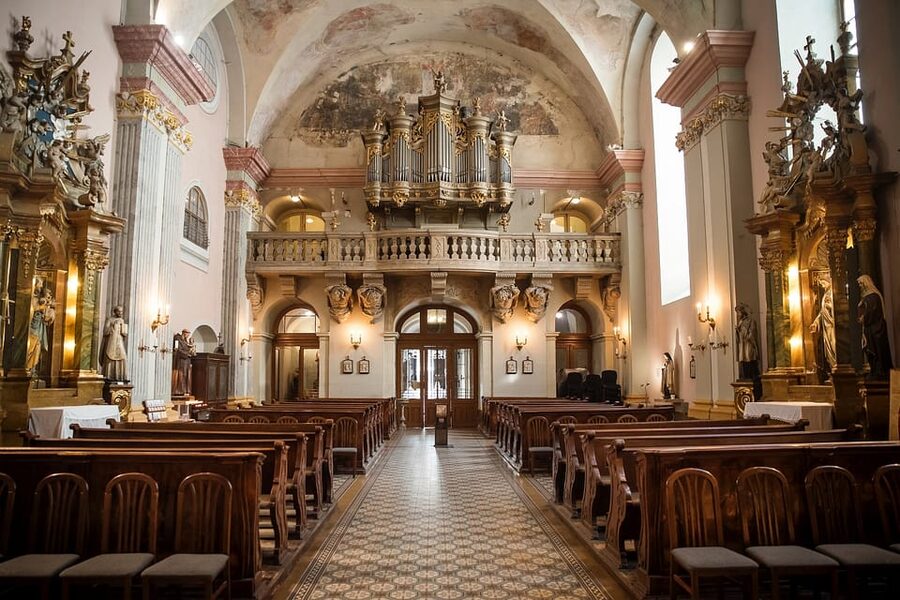
Video and audio recording are not allowed. This is standard for a live concert, but it is worth knowing before you arrive. Put your phone away and let the leaflet and screen do the work.
That restriction is also a reminder of the kind of experience this is. You are there for one live performance in one specific room. The sound will not be identical to a recording, and the value lies partly in hearing the organ interact with the church at that moment.
The brief introduction and printed programme provide the approved way to follow the concert. You can learn about the instrument and the music without recording it.
Who Will Enjoy This Concert Most
I would recommend this activity to anyone who wants a calm cultural stop in Budapest without giving up a whole night. Seventy minutes is long enough to feel substantial, but short enough to fit around dinner or an evening walk.
It is particularly good for:
- People who already enjoy Bach, Liszt, Mozart, or classical music.
- First-time concertgoers who want an introduction without a full formal evening.
- Visitors interested in Hungarian music and local performers.
- Couples looking for a quiet evening activity near the Danube.
- Anyone who appreciates historic churches and intimate venues.
- Families with older children who can sit quietly for 70 minutes.
I would think twice if you dislike organ music, need constant visual action, or expect a giant cathedral organ. This is a listening experience. The screen adds a visual element, but the music remains the main event.
The programme choice also matters for newcomers. A mixed evening with several composers may be easier if you are unsure about organ music. A Bach-focused concert is better for someone who wants a concentrated recital and is happy with a demanding programme.
My Booking Advice
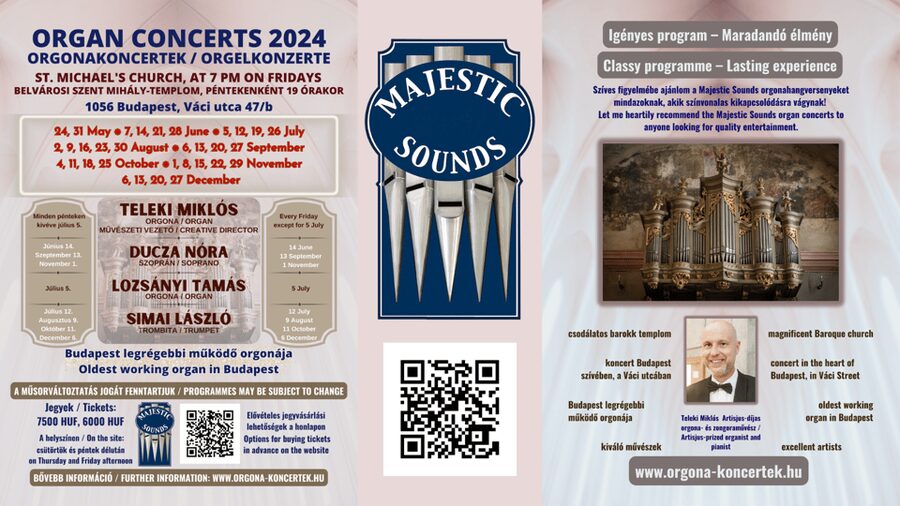
Check the date before you pay. Look for the composer list, confirm whether the evening is solo organ or chamber music, and note the performer. If you want Nóra Ducza’s soprano concerts, select one of the five listed chamber dates.
Arrive at the white church on the Váci utca and Nyáry Pál utca corner with enough time to get settled. You will receive the English and Hungarian programme information, and the introduction will explain what you are about to hear.
I would book this concert if you want an affordable, polished cultural activity with a real connection to Budapest. It is not a sightseeing tour, and it does not try to be one. It gives you a historic church, a distinctive local instrument, and 70 minutes of carefully selected music for $24.
FAQ
Where is the organ concert held?
The concert is held at St. Michael’s Church in Budapest’s 5th District. The white church building is at the corner of Váci utca and Nyáry Pál utca, postcode 1056, near the Danube.
How long does the concert last?
The concert lasts 70 minutes. Starting times vary, so check the available time when choosing your date.
Who performs at the concert?
Miklós Teleki is the creative director and main organist of the series, and he performs at almost all recitals. Andres Uibo performs on July 4, and Tamás Lozsányi performs on October 31. Chamber concerts feature soprano Nóra Ducza with Miklós Teleki.
Is every concert a solo organ performance?
No. The series offers varied solo organ and chamber music concerts, depending on the date. Check the programme before booking.
Are an introduction and programme included?
Yes. The concert begins with a short introduction in English and Hungarian. A printed programme leaflet is also available in both languages and includes information about the organ.
Can I record the performance?
No. Video and audio recording are not allowed during the concert.
Just added around Budapest
- From Budapest: Guided Tour of Eger with Wine Tasting★ 4.5 · 6 reviews
- Budapest: Private Walking Tour with a Local Guide★ 3.6 · 6 reviews
- Budapest: Danube River Views Bike Ride★ 4.8 · 23 reviews
- Trash Art Museum: Hungary’s First Scrap Metal Exhibition★ 4.3 · 72 reviews
- Walk to recent and aged spiritual sanctuaries near Budapest★ 5.0 · 5 reviews
- Budapest: 3-Hour Trabant Sightseeing Tour★ 4.7 · 28 reviews
- True Crime Walking Tour in the Buda Castle district★ 5.0 · 26 reviews
- Audio visual multi-sensory chefs journey dinner experience★ 5.0 · 3 reviews
Concerts, compared.

Budapest Danube Cruise and Dinner Options, Live Music and Dance
Read our review →
Evening Cruise including Drinks and Live Music
Read our review →
Candlelit Dinner River Cruise with Live Music
Read our review →
Dinner Cruise with Live Music and Folk Dance Show
Read our review →
Budapest Danube River Candlelit Dinner Cruise with Live Music
Read our review →
Classical Music Concerts in St Stephen’s Basilica
Read our review →
Browse the lists this tour appears in