
Reviewed · BUDA CASTLE TOURS
Budapest: The WWII Siege of Buda Castle & Bomb Shelter Tour
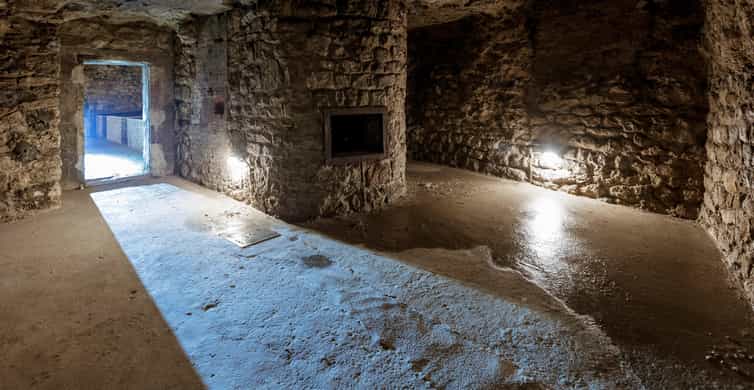
The most gripping part of this Buda Castle tour is the shift from handsome Castle Hill streets to the cold, dark spaces below them. In the Buda Castle Cave, you stand where civilians, wounded people, and German and Hungarian soldiers sought shelter during the 52-day siege of Budapest.
I like the strong use of diaries and memoirs, which gives the story a human scale. I also like the mix of visible wartime traces above ground and the original bomb shelter below. At $24, the 90-minute tour offers a focused history lesson and a rare look beneath the castle district.
The main drawback is physical. You will walk over cobbles, climb steep stairs, and pass through narrow corridors and sometimes wet surfaces. The cave stays around 12°C, or 54°F, all year, and the enclosed spaces may trouble anyone with claustrophobia.
In This Review
- Key points to know before you go
- Why Buda Castle’s wartime story matters
- Meeting at Dísz Square and walking into the past
- Úri Street and the signs left by the siege
- Entering the Buda Castle Cave
- The cellar and original bomb shelter
- What the 52-day siege felt like underground
- The walk to Lovas Way and the finish at Szentháromság Square
- Is $24 a fair price?
- Practical advice for a more comfortable visit
- Who will enjoy this tour most?
- Should you book the Buda Castle siege tour?
- FAQ
- Where does the tour begin?
- Where does the tour end?
- How long does the tour last?
- Is the tour held in English?
- How cold is the Buda Castle Cave?
- Is the tour suitable for people with mobility impairments or claustrophobia?
Key points to know before you go
- The siege lasted 52 days: The Soviet Red Army encircled Budapest on Christmas Eve 1944, trapping people inside the city.
- The tour goes below the streets: You visit a cellar and an authentic WWII bomb shelter within the Buda Castle Cave system.
- Survivor accounts shape the story: Diaries and memoirs explain hunger, cold, disease, darkness, overcrowding, and fear.
- The outdoor portion adds useful context: Guides point out bullet holes, hidden doorways, and ventilation shafts linked to public shelters.
- It is a small, focused history tour: The program lasts 90 minutes and ends at Szentháromság Square.
- You need steady footing: Comfortable shoes, warm layers, water, and a willingness to climb stairs matter here.
Why Buda Castle’s wartime story matters
Many visitors come to Castle Hill for the Royal Palace, Matthias Church, and fine views over the Danube. Those sights tell only part of the story. During the final months of World War II, this hill became a trapped military position and a refuge for tens of thousands of people.
On Christmas Eve 1944, the Soviet Red Army surrounded German-occupied Budapest. The siege continued for 52 days, turning the capital into a place of hunger, cold, ruined buildings, and constant fear. Buda Castle became one of the main areas where people tried to survive underground.
The people sheltering here did not share the same role or beliefs. Soldiers, wounded men, palace staff, and civilians were forced together in tight spaces. They faced the same shortages and the same danger, even though they had arrived underground for very different reasons.
That shared human experience is what gives the tour its weight. You do not simply hear dates and military movements. You learn how people tried to find water, preserve food, protect possessions, care for the wounded, and endure darkness while the city above them was being destroyed.
The comparison with Stalingrad helps explain the scale and brutality of the siege. This was not a quick battle around a famous building. It was a long encirclement in which ordinary people paid a terrible price.
More buda castle tours in Budapest:
- Budapest: Buda Castle Cave Tour
★ 4.7 · 5,677 reviews - Budapest: Buda Castle District Vampires and Myths Night Tour
★ 4.6 · 3,830 reviews - Budapest: Buda Castle Walk with Saint Stephen’s Hall
★ 4.5 · 3,012 reviews
Meeting at Dísz Square and walking into the past
The tour begins at De la Motte B Palace, at Dísz Square 15. Look for the large green gate next to the Posta building and a staff member carrying a turquoise umbrella marked with the Buda Castle Walks logo.
Give yourself extra time to find the meeting point. Building work and changes around the Castle district have made the start harder to spot at times. The tour begins promptly, and the guide cannot wait for late arrivals, so arriving early is the sensible choice.
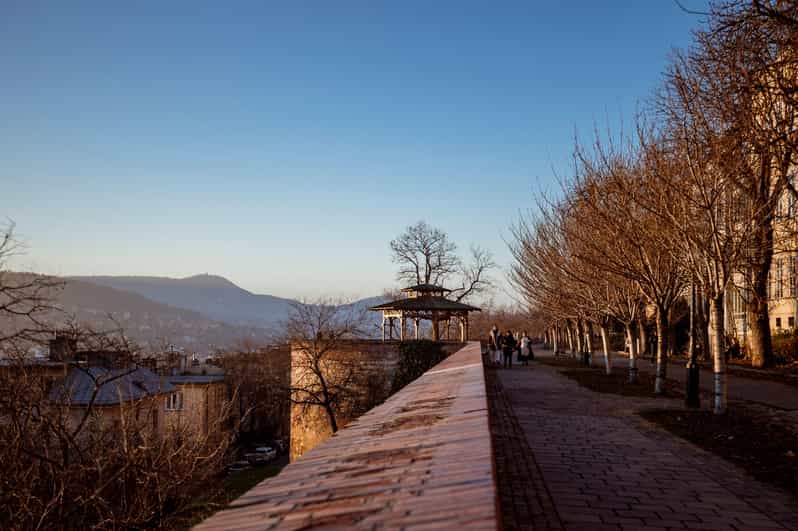
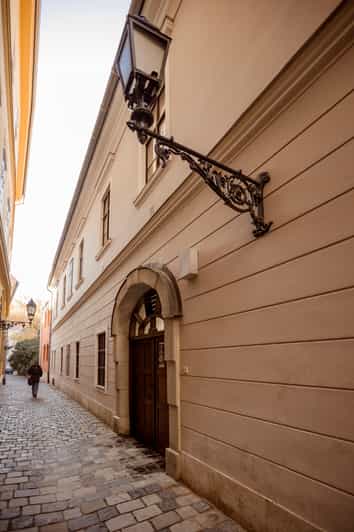
The opening walk takes you through the Castle district and along Úri Street. This outdoor section is important because it places the siege inside a real neighborhood rather than treating the cave as an isolated attraction.
Your guide may point out bullet holes, concealed doorways, and ventilation shafts rising from public shelters. These details can be easy to miss when you explore the district alone. After the tour, you may find yourself looking again at old walls and doorways, wondering what purpose they served during the siege.
The guides bring different personalities to the subject. Rita has been praised for giving extensive background on Budapest before, during, and after World War II. Jonas has a lively presentation style and uses personal headphones on some tours, which helps you follow the talk while walking. Kopp is especially good at answering side questions and linking the Castle district to wider political history. Balazs brings a strong sense of commitment to the period.
Guide quality can vary slightly with language and speaking style. One guide’s pronunciation was difficult for a non-native English speaker to follow at times. Still, the general approach is detailed and serious, and the headsets used on some departures can make a real difference in a moving group.
Úri Street and the signs left by the siege
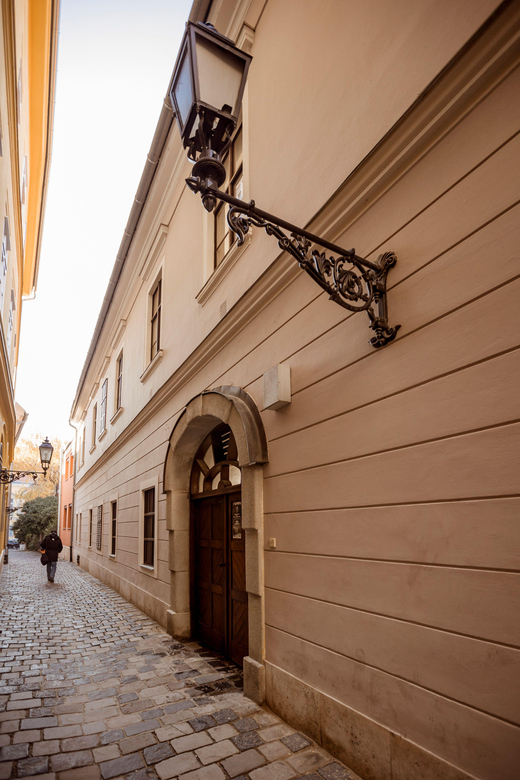
Úri Street is not only a pretty old street in the Castle district. During this walk, it becomes evidence. The guide explains how buildings, cellars, and access points fitted into a network of shelters and wartime spaces.
The traces above ground are modest, which is part of their value. You will not see a battlefield laid out like a museum display. Instead, the guide helps you notice small marks and structural clues that connect the modern street to the crisis of 1944 and 1945.
I like this part because it makes the later cave visit easier to understand. You begin to see the Castle district as a layered place. The elegant buildings sit above older cellars, tunnels, and shelters, and the wartime story is still visible if someone shows you where to look.
The walk also provides a useful pause between indoor sections. You are outside in the historic district, then below ground, then back into the streets. That change of setting keeps the 90-minute program from feeling like one long talk in a confined room.
Do not expect a long stop at every landmark in Castle Hill. This is not a general sightseeing tour of the palace, church, or museums. The outdoor walk serves the WWII subject, so you will get the most from it if you want military and social history rather than a broad introduction to Budapest.
Entering the Buda Castle Cave
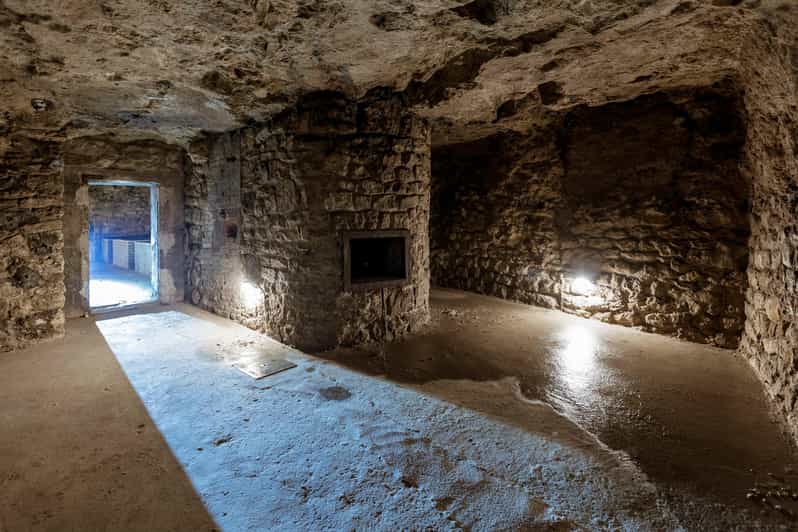
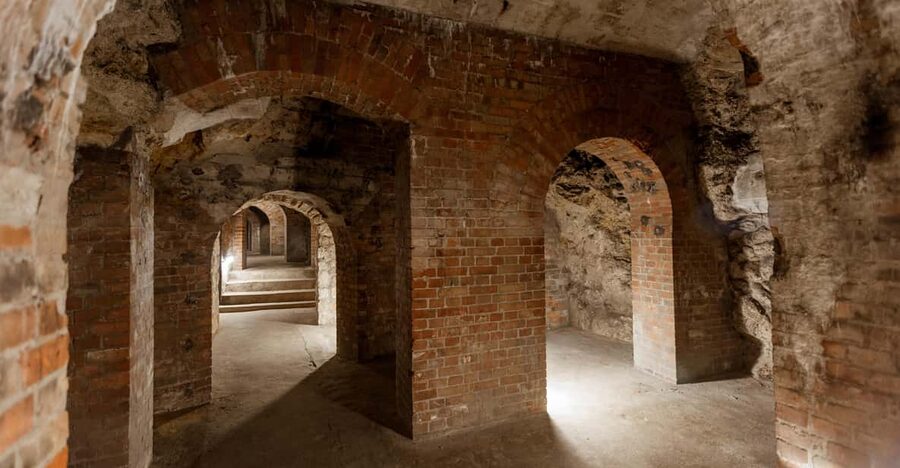
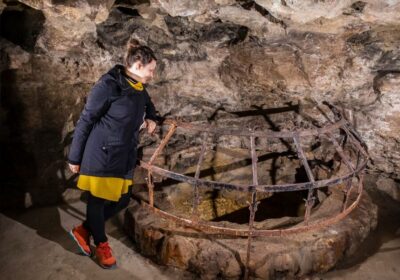
The central part of the program takes place in the Buda Castle Cave, a system of underground passages beneath the historic residential quarter. The visit lasts about 35 minutes, but the cave gives the tour its strongest sense of place.
The temperature is around 12°C throughout the year. Even on a warm Budapest day, you will want a sweater or light jacket. Warm layers are better than one heavy coat because the outdoor portion may feel much warmer than the cellar and cave.
Inside, you pass through dark but illuminated areas, narrow corridors, and spaces with solid surfaces that can sometimes be damp. Steep stairs are part of the route. This is not a smooth museum floor, and you need to watch your step while listening.
The physical conditions help you understand the subject, but they should not be treated as a stunt. You are not recreating the suffering of the siege by spending a short time underground. Still, the cold, limited light, and restricted passageways make the memoirs easier to picture.
The guide explains how people crowded into these spaces as the Soviet encirclement tightened. The shelters held civilians alongside soldiers and the wounded. Food and water became scarce, illness spread, and the lack of light wore people down.
The best moments come when the guide links the physical room to a personal account. A diary or memoir can explain a single night, a shortage, or a desperate attempt to protect a family member. Those small details carry more force than a long list of troop movements.
Same riverbank, a completely different kind of day:
- Budapest: Unlimited Prosecco, Beer and Aperol Spritz Cruise
★ 4.8 · 25,310 reviews - Budapest: Széchenyi Spa Day Ticket with Optional Upgrades
★ 4.3 · 23,911 reviews - Budapest: Nighttime or Daytime Sightseeing Cruise
★ 4.2 · 21,062 reviews - Budapest: 1-Hour Evening Sightseeing Cruise with Drink
★ 4.5 · 8,330 reviews
The cellar and original bomb shelter
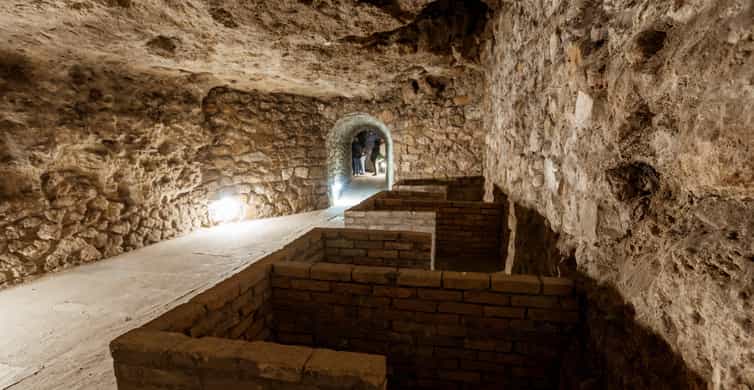
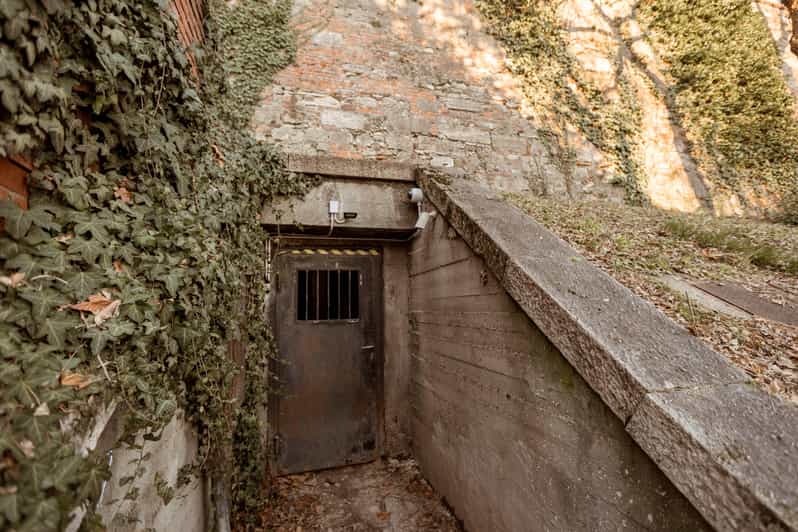
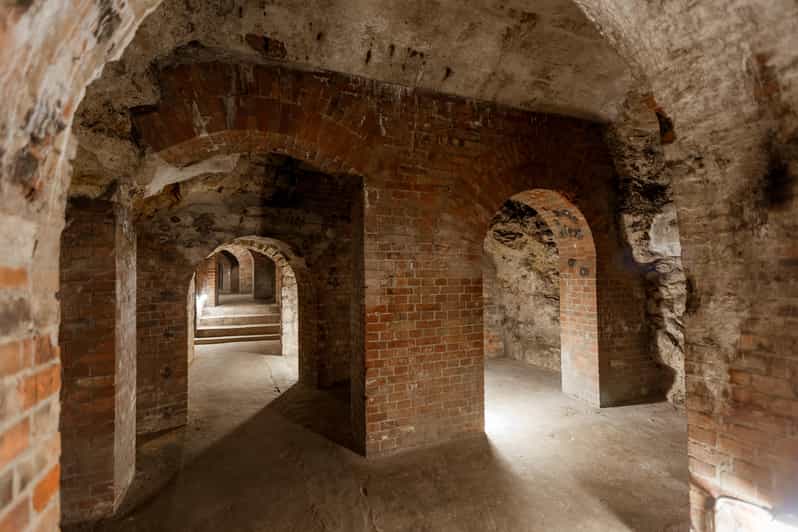
The tour includes the cellar of an old dwelling house and an original Second World War bomb shelter. These stops show two sides of life below Castle Hill.
The cellar helps you picture the everyday spaces people already knew before the siege. It was part of a residential building, not a purpose-built visitor attraction. That distinction matters. The wartime shelter system grew out of the district’s existing cellars and caves, so private and public spaces became part of the effort to stay alive.
The bomb shelter gives the visit a clearer military and civil-defense setting. You can think about how people tried to protect themselves from bombardment while the city around them lost access to basic supplies.
The guide also explains the effort to save possessions and treasures from the Royal Palace. The people underground were not only trying to survive physically. They were also attempting to preserve family belongings, official materials, and cultural property amid the destruction.
The caves are fascinating, but they are not comfortable. If narrow tunnels make you anxious, this is the point where the tour may become difficult. Wheelchair users and people with mobility impairments should not book because the stairs, cramped passages, and uneven surfaces make the route unsuitable.
What the 52-day siege felt like underground
The tour’s strongest subject is not simply who fought whom. It is what prolonged siege conditions did to people.
The cold became a daily problem. So did the lack of clean water and food. Darkness, crowding, wounds, and disease turned the shelters into places of exhaustion. Even people who had reached the underground spaces safely could still face serious danger once inside.
The guide describes the instinct to survive, including the practical choices people made with whatever resources remained. You hear about civilians and soldiers sharing the same fear, even though the consequences of the siege fell differently on each group.
That approach gives the tour a moral and emotional dimension without turning it into a simple war story. One American participant found the material emotionally difficult but still felt glad to have taken the tour. I would take that as fair warning: the subject includes civilian suffering, death, and desperate conditions.
The tone is serious, but the guides do not need to make the experience dramatic. The actual setting and the recorded accounts do enough. If you prefer light sightseeing, choose a different Castle Hill activity. If you want to understand what the siege meant for people inside Buda, this is the right focus.
The walk to Lovas Way and the finish at Szentháromság Square
After the cave visit, the route returns outdoors and continues toward Lovas Way. This portion lets you process what you have seen underground while the guide connects the cave system to the wider Castle district.
The end point is Szentháromság Square. Finishing here is useful because you remain in the center of the Castle area rather than being returned to the original meeting point. You can continue exploring the square and nearby sights, or stop for a break after the stairs and cobbles.
The tour lasts 90 minutes, which feels like a sensible length for the material. A shorter program would risk reducing the siege to a few dates. A much longer underground visit might become tiring, especially for anyone uncomfortable in enclosed spaces.
Some departures use personal headphones, allowing you to hear the guide without standing shoulder to shoulder in every passage. Group size can affect how easy it is to listen. A small group is particularly helpful underground, and private-feeling departures can occur when only a few people have booked.
Is $24 a fair price?
At $24 per person, I consider this good value if you care about Budapest’s WWII story. The price covers an English-guided walk through the Castle district and entry into the Buda Castle Cave, including a cellar and authentic bomb shelter.
You are paying for interpretation as much as access. The tunnels alone would be interesting, but the guide supplies the context that makes them meaningful. Without that explanation, you might notice the cold and narrow passages without understanding the tens of thousands who once depended on similar spaces.
The value is also strong because the tour covers both the visible city and the hidden one. You get wartime traces in the streets, then an underground setting that gives those traces a human connection.
This is not the best use of $24 if you only want panoramic views or a general palace tour. It is a specialist experience focused on the siege, civilian survival, and the history of Buda Castle during World War II.
Free cancellation up to 24 hours before the start and the option to reserve now and pay later make planning easier. The tour runs in all weather, so rain does not automatically cancel the outdoor walk.
Practical advice for a more comfortable visit
Wear shoes with a firm sole. Cobblestones, steep stairs, and uneven cave surfaces are a poor match for thin sandals or slippery footwear.
Bring a warm layer even if Budapest feels hot above ground. The cave and cellar remain about 12°C year round. Water and a small snack are also sensible, especially if you are fitting the tour between other Castle Hill sights.
Plan for both outdoor and indoor conditions. Rain protection matters because the tour continues in wet weather, while the cave calls for warmth and careful footing.
The recommended minimum age is 14. That makes sense given the serious subject matter and the physical setting. Younger children are not accepted.
You should also think honestly about enclosed spaces. The cave is illuminated, but it includes narrow corridors and underground rooms. People with claustrophobia may find the experience uncomfortable, and the route is not suitable for wheelchair users or people with mobility impairments.
Use the Buda Castle Palace District visit planner before setting out. It provides current information about traffic conditions and closures in the palace area and is available on mobile and desktop without registration.
Who will enjoy this tour most?
I would choose this tour for anyone with an interest in World War II, urban history, military history, or the lives of civilians during war. It also suits visitors who prefer a focused subject to a broad city tour.
History and politics students should get plenty from the discussion, especially if they enjoy asking questions beyond the basic route. Guides such as Kopp have handled side questions about related historical subjects, while Rita has provided extended background on Budapest before and after the war.
The tour can also work well for a solo visitor. If the group is small, you may get more direct conversation with the guide and a quieter visit through the tunnels.
I would skip it if you want an easy stroll, dislike cold rooms, or have trouble with stairs and narrow corridors. The subject is also emotionally heavy. The tour is informative, but it is not cheerful sightseeing.
Should you book the Buda Castle siege tour?
Book it if you want to understand why the Castle district mattered during the siege of Budapest, not just admire its architecture. The combination of Úri Street, wartime traces, survivor accounts, cellar, and original bomb shelter gives you a clear sense of how the historic quarter became a place of refuge.
The $24 price is reasonable, the 90-minute format is well judged, and the English guides bring real energy to a difficult subject. Just arrive early at the green gate on Dísz Square, wear sturdy shoes and warm layers, and be ready for steep stairs and tight underground passages.
FAQ
Where does the tour begin?
It begins at De la Motte B Palace, Dísz Square 15, next to the Posta building. Look for the large green gate and a staff member with a turquoise Buda Castle Walks umbrella.
Where does the tour end?
The tour ends at Szentháromság Square in the Buda Castle district.
How long does the tour last?
The program lasts 90 minutes.
Is the tour held in English?
Yes. The tour includes a live English-speaking guide.
How cold is the Buda Castle Cave?
The cellar and cave remain around 12°C, or 54°F, throughout the year. Warm layers are recommended.
Is the tour suitable for people with mobility impairments or claustrophobia?
No. The route includes cobbled streets, steep stairs, narrow corridors, dark illuminated areas, and sometimes wet surfaces. It is not suitable for wheelchair users, people with mobility impairments, or people with claustrophobia.
Just added around Budapest
- From Budapest: Guided Tour of Eger with Wine Tasting★ 4.5 · 6 reviews
- Budapest: Private Walking Tour with a Local Guide★ 3.6 · 6 reviews
- Budapest: Danube River Views Bike Ride★ 4.8 · 23 reviews
- Trash Art Museum: Hungary’s First Scrap Metal Exhibition★ 4.3 · 72 reviews
- Walk to recent and aged spiritual sanctuaries near Budapest★ 5.0 · 5 reviews
- Budapest: 3-Hour Trabant Sightseeing Tour★ 4.7 · 28 reviews
- True Crime Walking Tour in the Buda Castle district★ 5.0 · 26 reviews
- Audio visual multi-sensory chefs journey dinner experience★ 5.0 · 3 reviews
Buda Castle Tours, compared.

Buda Castle District Vampires and Myths Night Tour
Read our review →


Buda Castle District Dark History, Legends and Vampire Night Tour
Read our review →
Buda Castle District Walking Tour with a Historian
Read our review →
Browse the lists this tour appears in