
Reviewed · DANUBE BEND TOURS
Hungary: Szentendre Retro Design Center Entry Ticket
The most fun part of Szentendre’s Retro Design Center is that it lets you step inside the past. You can sit in a pink Cabriolet Wartburg, climb into a Trabant, and inspect the famous Ikarus bus instead of simply looking at objects behind glass. A friendly hippie girl greets you at the entrance, setting the playful tone right away.
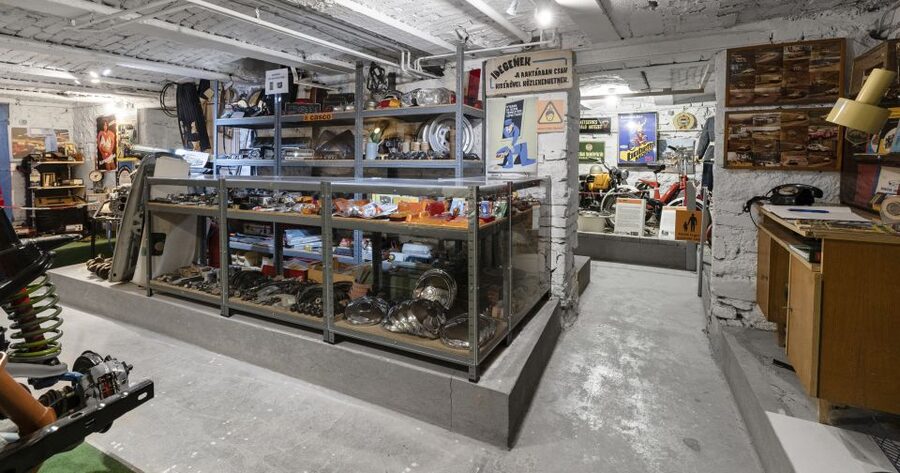
I like the 30 vintage cars, from Moskvitch and Zhighuli models to a hippie Barkas Furgon van. I also like the ordinary household displays: old televisions, radios, kitchen equipment, toys, LP records, and a furnished 1970s apartment. The main drawback is the short visit and the distance from Budapest. Plan on about an hour inside, and check the guided-tour time carefully, since the guided option is offered in the morning.
In This Review
- Key points
- What the Retro Design Center Is Really About
- Entering With a Hippie Welcome
- Thirty Cars From the Eastern Bloc
- The Hungarian Ikarus Bus
- Polish Market Diorama and Camping Scene
- Toys, Televisions, Radios, and LP Records
- Inside a 1970s Apartment
- How Much Time You Need
- Getting There From Budapest and Combining It With Szentendre
- Is the $11 Ticket Good Value?
- Who Will Enjoy This Most?
- Booking, Cancellation, and Language Notes
- Should You Book the Retro Design Center?
- FAQ
- Where is the Retro Design Center?
- How long does the visit take?
- How much does admission cost?
- Is parking included?
- What vehicles can I see?
- Can I sit inside the vehicles?
- Is the experience available in English?
- Is there a guided tour?
- Can I cancel for a refund?
Key points
- Pink Wartburg and Trabant: Sit inside several classic Eastern European vehicles and take photos.
- Ikarus bus: See a well-known Hungarian bus at close range, one of the museum’s biggest displays.
- Almost 1,000 square meters: Explore cars, toys, appliances, records, rooms, and small period scenes.
- Polish Market diorama: Study a detailed scene showing everyday shopping life in the Eastern Bloc.
- Written material in three languages: Read the displays in English, German, or Russian.
- Good Szentendre add-on: Pair this one-hour stop with time in the nearby town, rather than making it your only reason to travel from Budapest.
What the Retro Design Center Is Really About
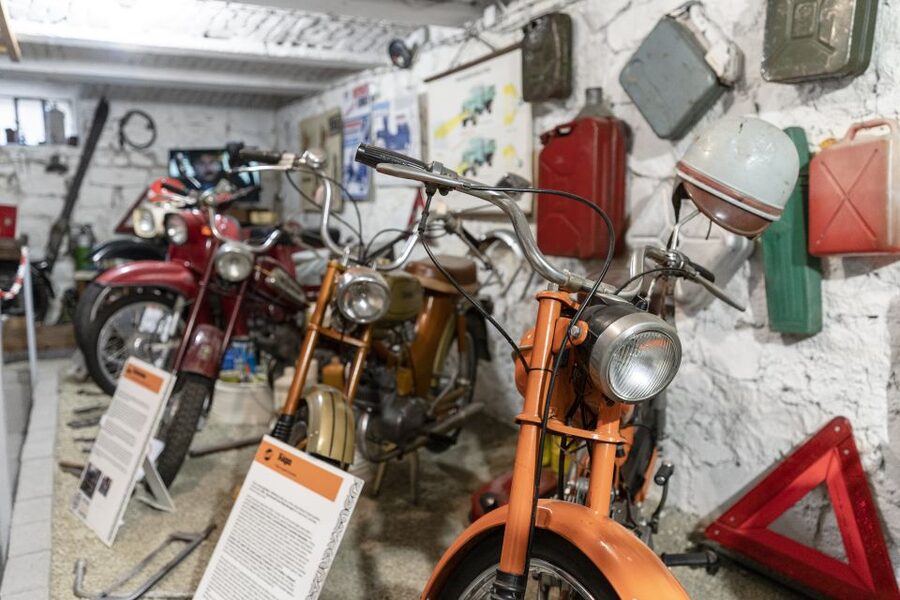
This is not a polished design museum devoted to famous designers. It is a hands-on collection of objects that shaped ordinary life in Eastern Europe during the 1970s and surrounding decades.
That difference matters. You will not just see a rare car or an old radio. You will see how the car fit into a family’s life, how a television sat in the living room, and how toys, kitchen appliances, records, and advertisements filled the spaces between major historical events.
The presentation has a light, playful feel. The hippie girl at the entrance gives the museum a friendly welcome, while the vehicles and furnished rooms provide the serious historical value. I find that mix useful. The humor gets you through the door, but the everyday objects give you a clearer sense of how people lived.
The collection covers nearly 1,000 square meters, so this is more than a small room of old cars. Still, the stated visit length is only about one hour. You can see the major highlights in that time, but you may need longer if you read every panel or stop for photographs.
More danube bend tours in Hungary:
- From Budapest: Danube Bend & Szentendre Tour with Lunch
★ 4.1 · 824 reviews - From Budapest: Danube Bend Day Trip in English
★ 4.2 · 499 reviews - From Budapest: Full-Day Danube Bend Tour with Lunch
★ 4.2 · 442 reviews
Entering With a Hippie Welcome
Your visit begins with a greeting from a 1970s-style hippie girl. It is an unusual touch, and it immediately tells you that this place is meant to be approachable rather than formal.
The welcome also helps families and younger visitors understand the mood. You are not entering a silent gallery where every object must be viewed from a distance. The museum encourages curiosity, photographs, and close inspection.
The host or greeter speaks English. Written text is available in English, German, or Russian, which makes the visit much easier for international visitors. If you want a spoken tour, pay attention to the time when booking. The guided tour is available in the morning, while the museum can be visited later in the day. That timing could make a major difference if you want more explanation than the written material provides.
Thirty Cars From the Eastern Bloc
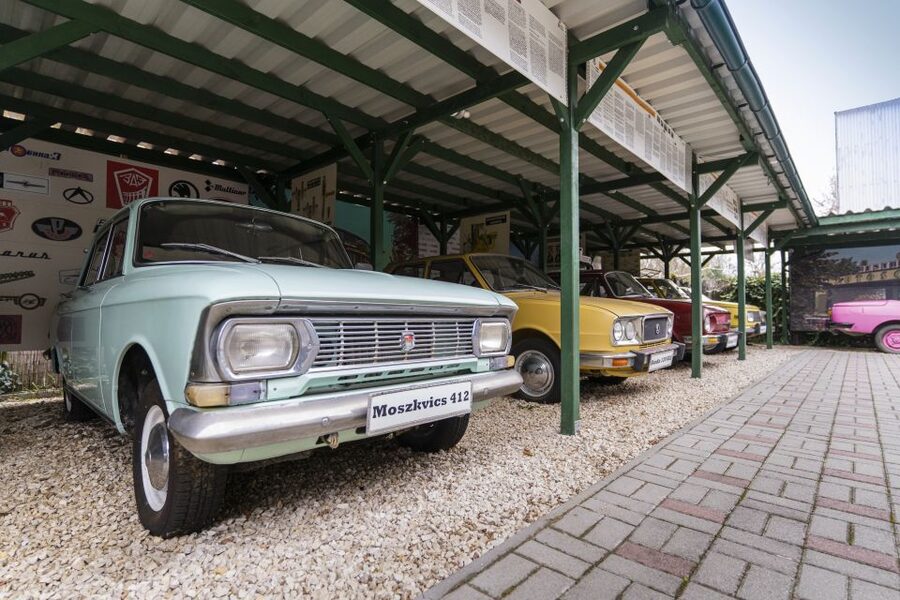
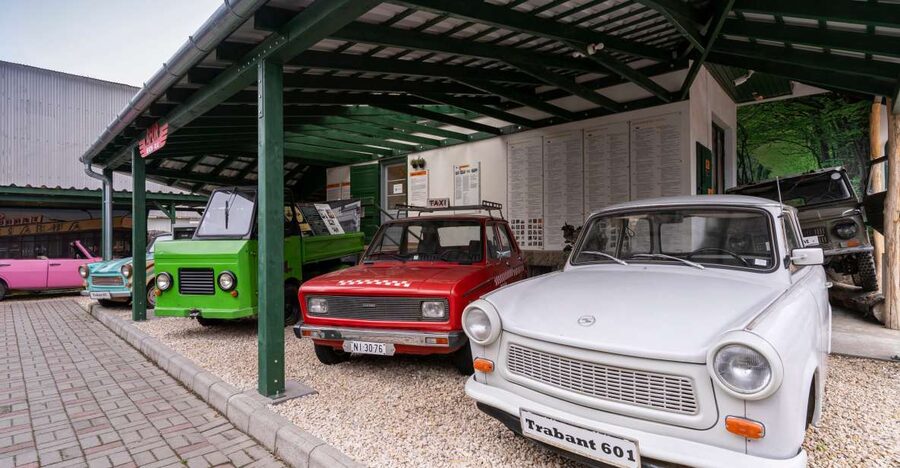
The vehicle collection is the main draw for many people. You will see about 30 vintage cars, including Trabant, Moskvitch, Zhighuli, and other models linked to life in Eastern Europe.
The Trabant is especially recognizable. Its light body and distinctive shape have made it a symbol of the former Eastern Bloc, but here it is more than a political symbol. You can look at it as a real family car, a practical object with limited comforts and a strong place in everyday memory.
The Moskvitch and Zhighuli add variety to the display. These cars help show that Eastern European motoring was not limited to one national style. Each model gives you another point of comparison in shape, size, and design.
The most enjoyable feature is the chance to sit inside selected vehicles. A pink Cabriolet Wartburg makes an excellent photo stop, while the Trabant offers a more typical look at a family car from the period. You can also see a Barkas Furgon van presented with a hippie theme.
I would allow extra time here if you are interested in cars. The one-hour estimate works for a brisk visit, but photography can slow you down. The collection is more satisfying when you take a moment to notice the interiors, not just the bright colors and unusual shapes.
The Hungarian Ikarus Bus
The Ikarus bus gives the collection a clear Hungarian connection. Ikarus buses became familiar sights across Hungary and other parts of Eastern Europe, so this is not simply a large vehicle placed indoors for scale.
You can appreciate how different public transport felt from today’s sleek, standardized systems. The bus is also useful for visitors who do not know much about Hungarian vehicle history. Its size and design make it easy to understand why it is one of the museum’s central objects.
For children, the bus offers a change of pace from smaller cars and household items. For adults, it may bring back memories of school trips, city rides, or older streets. The museum does not need a long explanation to make the display effective. Once you stand beside it, the bus does much of the work.
A few more Hungary trips to weigh up
- Budapest: Széchenyi Spa Day Ticket with Optional Upgrades
★ 4.3 · 23,911 reviews - Budapest: Parliament Building Entry Ticket and Audio Guide
★ 4.5 · 3,844 reviews - Budapest: Full-Day Gellért Spa Ticket
★ 4.2 · 3,340 reviews - Budapest: Cinema Mystica Entry Ticket
★ 4.3 · 3,103 reviews
Polish Market Diorama and Camping Scene
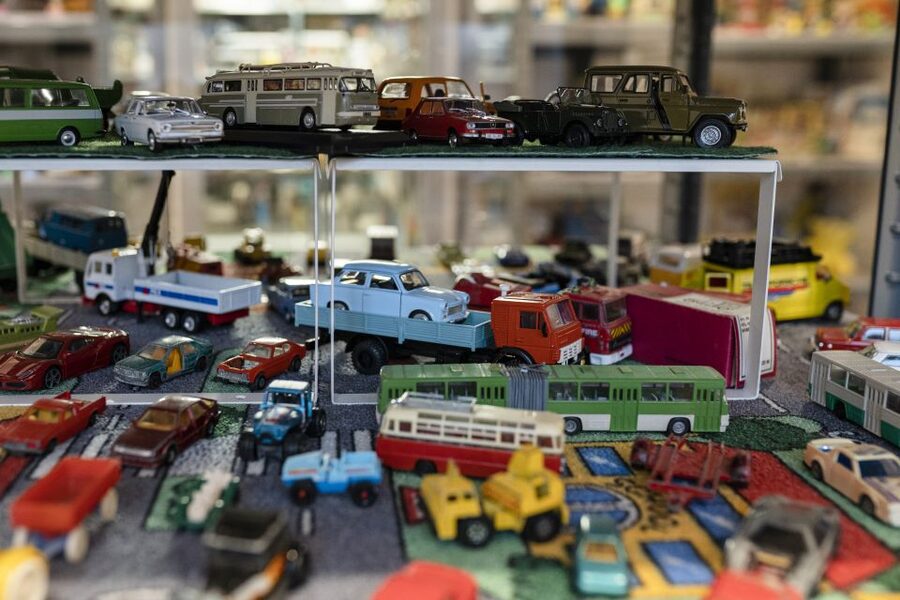
The Polish Market diorama is one of the more interesting displays because it shifts your attention from machines to daily routines. A market scene can show more about a period than a display of official objects. It gives you a sense of shopping, goods, public space, and the small details people encountered outside the home.
The camping scene provides another view of leisure time. It is a reminder that the 1970s were not only about government, shortages, or heavy industry. People also spent weekends outdoors, traveled with family, and made use of whatever equipment was available.
These scenes are worth a slower look. I would not rush past them on the way to the cars. If you have children with you, ask them to identify what looks familiar and what seems strange. That simple comparison turns the dioramas into a useful history lesson without making the visit feel like school.
Toys, Televisions, Radios, and LP Records
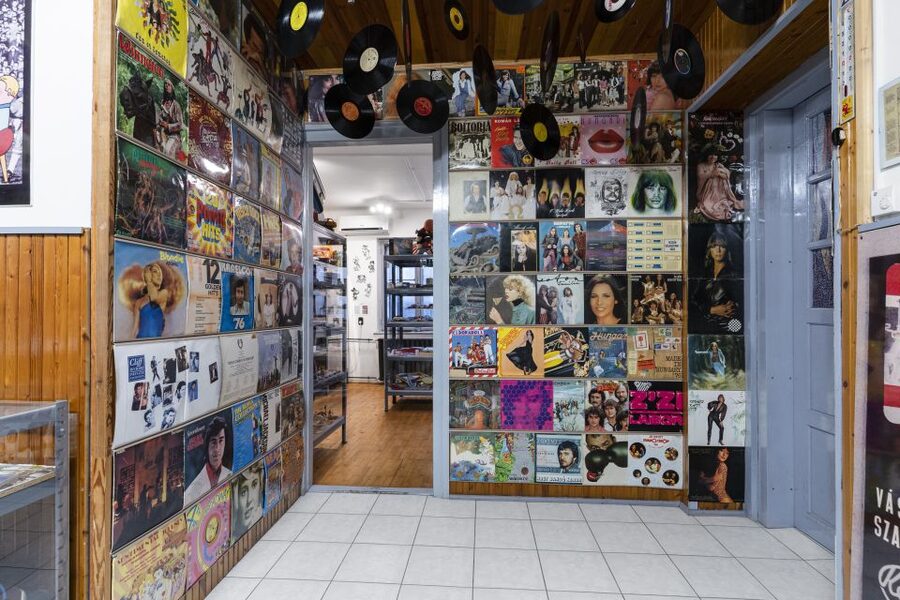
The smaller objects may be the most personal part of the museum. You will see retro toys, television sets, household appliances, radios, and walls covered with 1970s LP records.
The toy displays work well for anyone who grew up in the 1970s or 1980s. They can also help younger visitors picture childhood before smartphones, streaming, and electronic games. The collection is not just about scarcity or political systems. It is about what people actually touched and used.
The televisions are another highlight. One particularly unexpected detail is the presence of period television advertisements running on the sets. These moving images make the displays feel more alive than a dead screen would. They also show how consumer culture appeared within the Eastern European setting.
The radios and LP records add sound and style, even if the exhibits are mainly visual. The records tell you what people listened to, while the radios and televisions show how entertainment entered the home. I like this part because it connects public history to private evenings in a living room.
Inside a 1970s Apartment
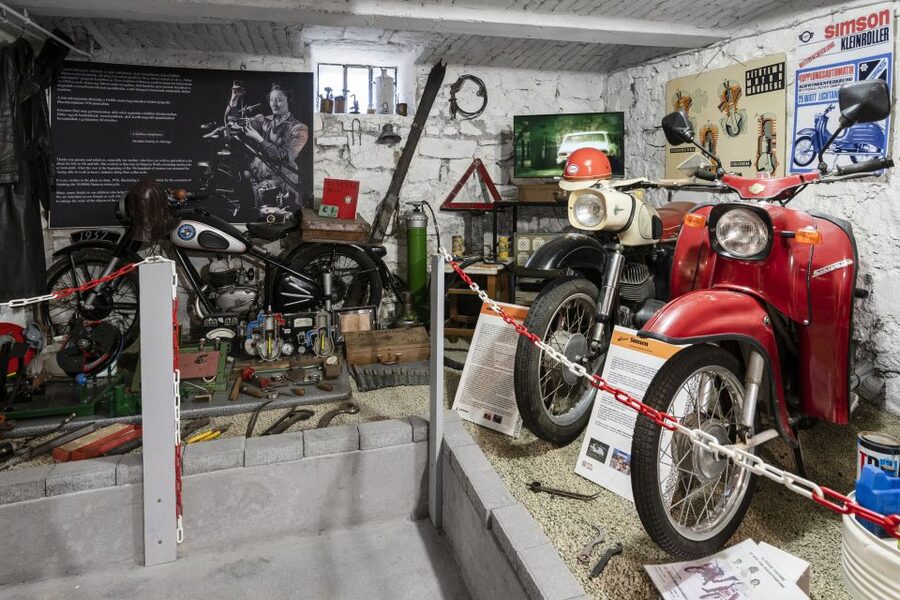
The furnished apartment ties the whole collection together. You can walk through a living room and kitchen decorated in the style of the 1970s, then compare those spaces with the separate cars, appliances, toys, and entertainment displays.
A room setting gives each object a purpose. An appliance is no longer just an appliance. A television becomes the center of a living room. A kitchen item becomes part of a daily routine. Records belong beside the stereo, and toys belong in a child’s home rather than on a shelf.
This is also the part of the visit that gives the clearest sense of ordinary life in Eastern Europe. You may not recognize every object, but you can understand the basic pattern: a family home filled with practical equipment, personal possessions, and the design choices available at the time.
Take photographs if you like, but look beyond the largest pieces. The smaller objects often contain the best clues about how people lived. The apartment is especially useful for visitors who want more than a car collection.
How Much Time You Need
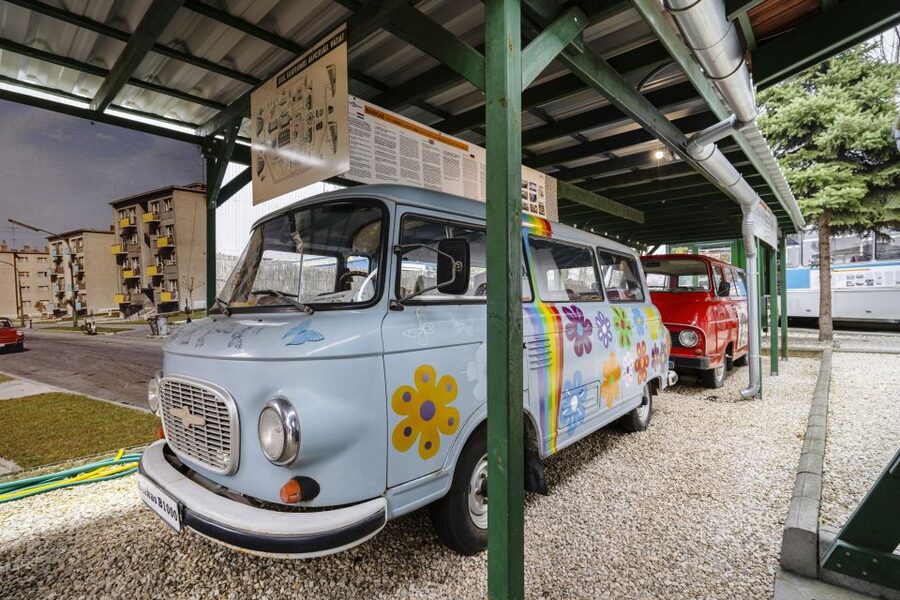
The advertised duration is one hour, and that is a reasonable target for a focused visit. You can see the cars, bus, apartment, dioramas, toys, televisions, and household displays without lingering at every item.
I would plan for one hour to one and a half hours if you enjoy reading, comparing vehicles, or taking photographs. That longer visit is also useful if you want to study the English text carefully.
The visit is short enough to fit after lunch or between other plans in Szentendre. One visitor described it as a good brief stop after a meal, which matches the museum’s scale and pacing. It does not require a full day by itself.
The guided-tour schedule needs careful attention. The host speaks English, but the guided tour is offered only in the morning according to the available information. Later visits rely more heavily on the written text. If explanation is important to you, book a morning time and confirm the starting hour.
Getting There From Budapest and Combining It With Szentendre
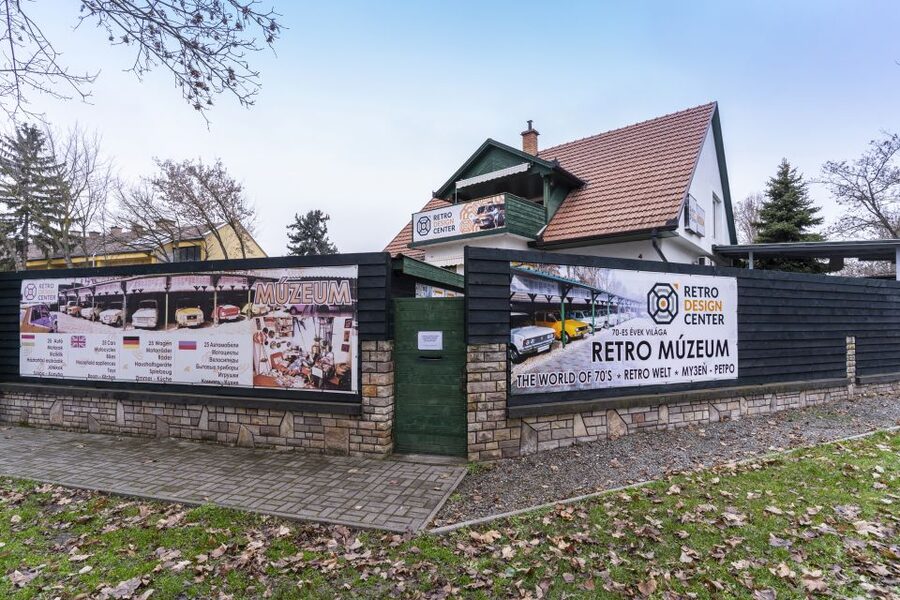
The Retro Design Center is in Szentendre, outside Budapest, not in the center of the capital. That makes it a poor choice for a quick Budapest museum stop, but a sensible addition to a day spent in Szentendre.
The town itself is described as a cute historical place and a local day-out destination. You can treat the museum as one part of a wider excursion rather than traveling all the way there for only 60 minutes indoors.
Parking is not included in the ticket. You need to account for that if you are driving. The available information does not include a parking price or specific parking instructions, so check those details before setting out.
Because the museum is outside Budapest, allow more time for the overall outing than the one-hour visit suggests. The museum is compact, but the day trip is not. This is the main practical issue to weigh before booking.
Is the $11 Ticket Good Value?
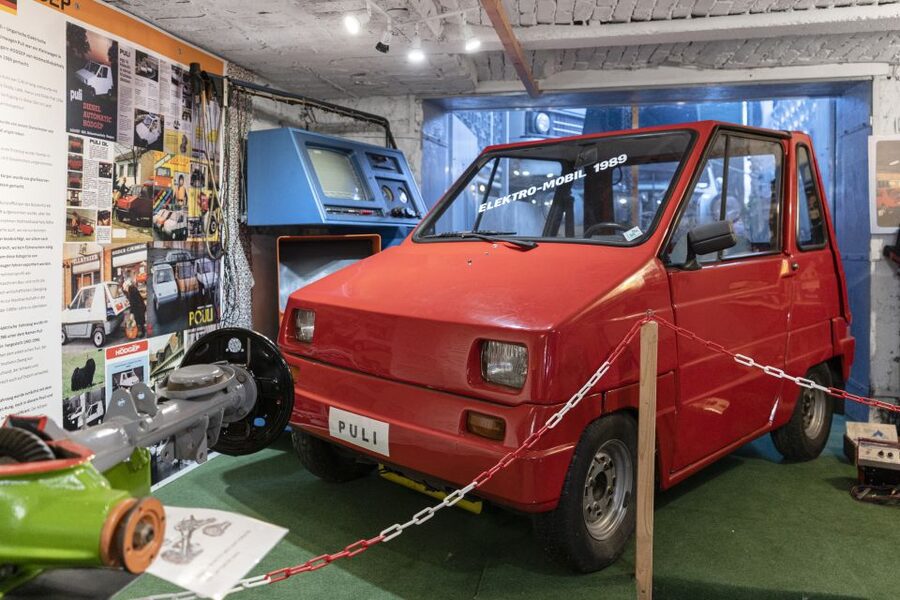
At about $11 per person, the ticket is reasonably priced for the amount of material on display. You get access to cars, a bus, an apartment, dioramas, toys, televisions, radios, appliances, and records in one place.
The value is strongest if you like 20th-century history, cars, design, photography, or family nostalgia. You are paying for access to a large collection with several hands-on photo opportunities, not for a long guided program.
The price is less compelling if you only want a formal history lesson. The museum uses written information and visual displays, and the full guided experience depends on visiting in the morning. If you arrive later, you may find the visit more self-directed.
I consider the ticket good value as part of a Szentendre day. It is inexpensive enough to add without much risk, and the collection offers more range than its one-hour duration might suggest.
Who Will Enjoy This Most?
I would recommend the museum to adults who remember the 1970s or 1980s, especially anyone with a connection to Central or Eastern Europe. The toys, cars, television ads, and apartment can bring back very specific memories.
It also works for history-minded visitors who want to understand daily life rather than only read about major events. The displays show how political and economic systems appeared in ordinary homes, on roads, and in shops.
Families can enjoy it because several vehicles are available for sitting and photographs. Children may not understand the historical setting at first, but the unusual cars, large bus, toys, and colorful objects give them plenty to inspect.
Car enthusiasts should make a point of visiting, but I would not limit the museum to that audience. The apartment, market diorama, camping scene, and household displays give the visit a wider purpose.
You may want to skip it if you have very little time in Budapest and cannot spare a trip to Szentendre. The museum is short, and its location matters. It is best for a visitor who already plans to see the town or wants a modest day away from the capital.
Booking, Cancellation, and Language Notes
The ticket includes admission only. Parking is not included, and no separate meal, transport service, or other add-on is listed.
You can cancel up to 24 hours before the activity for a full refund. A reserve-now, pay-later option is also available, which is useful when your day in Szentendre may change.
The host or greeter speaks English. Museum text is available in English, German, or Russian. If you want the guided version, aim for the morning because the guided tour is not offered throughout the entire day.
Should You Book the Retro Design Center?
Book it if you are planning time in Szentendre and want an inexpensive, unusual museum with plenty to see in about an hour. The pink Wartburg, Trabant, Ikarus bus, and 1970s apartment give you memorable photo stops, while the toys, ads, records, and market scene add real social context.
I would be cautious only if your Budapest schedule is tight or if you expect a long, fully guided tour at any time of day. Check the morning tour schedule, allow for the trip outside Budapest, and remember that parking costs extra.
For the right visitor, this is a compact and cheerful look at Eastern European life, with enough authentic everyday detail to make the short visit worthwhile.
FAQ
Where is the Retro Design Center?
It is in Szentendre, in Central Hungary, outside Budapest.
How long does the visit take?
The listed duration is one hour. You may spend about one to one and a half hours if you read the displays carefully and take photographs.
How much does admission cost?
The price is $11 per person.
Is parking included?
No. Parking is not included in the admission ticket.
What vehicles can I see?
The collection includes about 30 vintage cars, including Trabant, Moskvitch, and Zhighuli models. You can also see a Barkas Furgon van and an Ikarus bus.
Can I sit inside the vehicles?
Yes. The experience includes opportunities to sit in vehicles such as the pink Cabriolet Wartburg, a Trabant, and the Ikarus bus, and take photographs.
Is the experience available in English?
Yes. The host or greeter speaks English, and written information is available in English, German, or Russian.
Is there a guided tour?
A guided tour is available in the morning. Check the available starting time when booking, since later visits may rely on written information.
Can I cancel for a refund?
Yes. You can cancel up to 24 hours in advance for a full refund. A reserve-now, pay-later option is also available.
Just added around Hungary
- From Budapest: Guided Tour of Eger with Wine Tasting★ 4.5 · 6 reviews
- Budapest: Private Walking Tour with a Local Guide★ 3.6 · 6 reviews
- Budapest: Danube River Views Bike Ride★ 4.8 · 23 reviews
- Trash Art Museum: Hungary’s First Scrap Metal Exhibition★ 4.3 · 72 reviews
- Guided wine tasting at Rókusfalvy Estate★ 4.6 · 6 reviews
- Walk to recent and aged spiritual sanctuaries near Budapest★ 5.0 · 5 reviews
- Budapest: 3-Hour Trabant Sightseeing Tour★ 4.7 · 28 reviews
- The only Wine Cocktail Club in Tokaj, Lunch & Fun, Hungary★ 5.0 · 3 reviews
Danube Bend Tours, compared.



Szentendre Daytrip (Artists’ Village) small group
Read our review →
Private Guided Tour to Szentendre & Visegrád Castle (Danube Bend)
Read our review →Browse the lists this tour appears in