
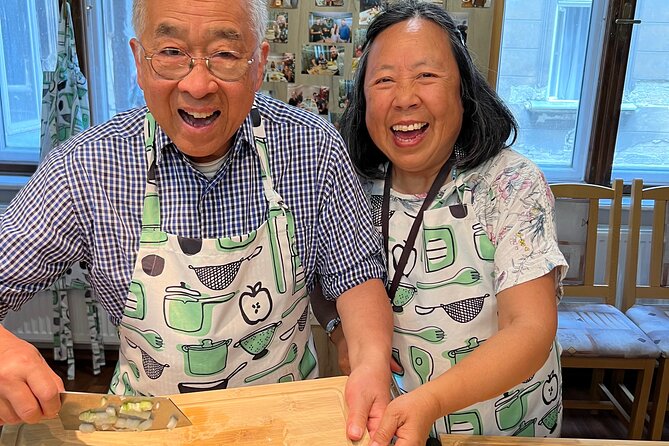
Reviewed · COOKING CLASSES
Budapest Cooking Class & Market Tour with Local Guide & Wines
The best part of this Budapest experience is the link between the Central Market Hall and the cooking table. You do not simply watch someone make paprikash. You taste local products, hear how Hungarian food developed, help buy ingredients, then cook and eat the result with your group.
I especially like the market tasting and the relaxed, family-style meal. I also like that guides such as Kinga, Mesi, Ben, and Birdie bring personal warmth to the class. The main caution is that the experience may feel less intimate than expected, and Sunday market hours can shorten the market portion.
In This Review
- Key points
- Why the market visit gives the class its flavor
- From market stalls to a Budapest kitchen
- What you actually cook and eat
- Wine, pálinka, and the non-drinker question
- Dietary needs and shared-kitchen limits
- The guides make or break the afternoon
- Four hours, walking, and the pace of the day
- Is $99 a fair price?
- Who should book this Budapest cooking class?
- Should you book it?
- FAQ
- Where does the Budapest cooking class begin?
- Where does the activity end?
- How long does the experience last?
- Is the class offered in English?
- What food might I cook?
- Are gluten-free, vegetarian, and vegan options available?
- Is wine or pálinka included?
- What is the cancellation policy?
Key points
- Central Market Hall first: Spend about 30 minutes tasting Hungarian pickles, cured meats, cheeses, and other local specialties before shopping for cooking ingredients.
- A real home-style meal: Prepare a traditional dish such as sausage lecsó with dumplings or chicken paprikash with Hungarian noodles.
- Warm, social format: You cook and eat together in a Budapest-style venue rather than sitting through a formal demonstration.
- Local drinks included: Wine is paired with the meal, with pálinka and additional wine tastings offered during the experience.
- Dietary choices are possible: Gluten-free, vegetarian, and vegan options are available, though shared-kitchen cross-contamination remains a concern for people with celiac disease.
- Small-group promise: The stated maximum is 12 people, but confirm the group size if an intimate class matters to you.
Why the market visit gives the class its flavor
Meet at the Central Market Hall in Budapest’s District IX. This grand indoor market is more than a place to buy groceries. It gives you a useful introduction to the ingredients and food customs that shape Hungarian cooking.
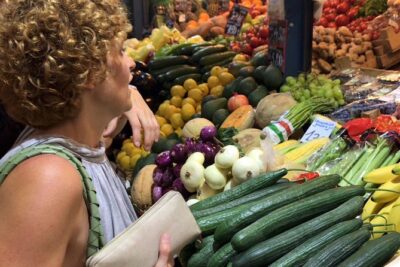
The market portion takes about 30 minutes, based on the practical details provided by past participants. Your guide leads you through the food stalls, explains Hungarian products, and offers tastes along the way. Expect cured salamis, cheeses, pickled vegetables, and other local bites. Paprika and regional pantry goods may also become part of the conversation.
I like this approach because it gives the cooking lesson a reason to exist. You are not chopping ingredients selected by someone else in a classroom. You see the food in its market setting, taste several products, and then carry some of those ingredients into the next part of the experience.
The market also adds cultural context. Hungarian food is often associated with paprika, stews, dumplings, sausage, sour flavors, and preserved vegetables. A good guide connects those foods to daily home cooking rather than presenting them as museum pieces. Mesi, Ben, Kinga, Birdie, and other instructors are described as friendly, funny, and good at explaining local customs and food traditions.
One practical warning: the market is not equally active every day. On Sundays, many stalls are closed, and the tour may feel shorter and quieter. If the market is a major reason you are booking, a weekday or Saturday session should be your first choice when available.
The hall can also be noisy. One account found it difficult to hear the guide while walking. Stay close to the instructor and ask questions as soon as you lose the thread. The meeting point is central and near public transportation, but the market itself involves walking and standing.
More wine tours in Budapest:
- Budapest: Premium Sightseeing Cruise with Tokaj Frizzante
★ 4.7 · 2,510 reviews - Countryside Half-day Gastro-Wine Tour from Budapest Meal & pickup
★ 5.0 · 1,450 reviews - Budapest: Wine, Cheese, and Charcuterie Tasting
★ 4.9 · 647 reviews
From market stalls to a Budapest kitchen
After shopping, you walk to the cooking venue. The walk is described as about 5 to 15 minutes, depending on the account and route. Some sessions include a short bus ride instead. Treat this transfer as part of the experience, not as dead time. It gives you a quick look at the neighborhood between the market and the kitchen.
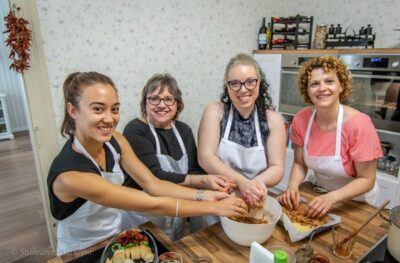
The venue is described as a cozy Budapest-style apartment or home-like kitchen. That setting is important. You are not in a polished restaurant kitchen with rows of silent observers. The aim is to create the feeling of cooking with friends in a local home.
That atmosphere is one of the most praised parts of the experience. The kitchen is described as clean, spacious, and well organized in some sessions, while one less positive account found the room cramped. The difference may come from the size of the group or the venue used that day.
Group size matters here. The stated maximum is 12 people, and some sessions have had only five participants. That smaller format can feel personal, with plenty of chances to ask questions and take part. If the room is full, you may spend more time waiting for a task or standing behind someone else.
If you want a four-person cooking lesson in a private apartment, clarify the group size before paying. The class is designed to be social, and you will likely cook alongside people from several countries. That can be a pleasure if you enjoy shared meals and conversation. It can be a drawback if you want constant hands-on instruction.
What you actually cook and eat
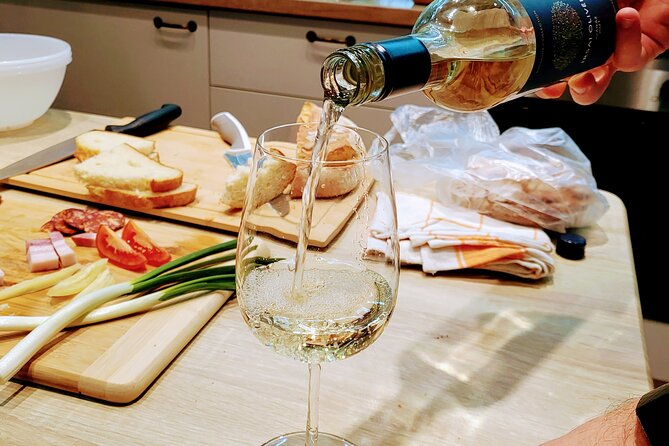
The featured meal centers on familiar Hungarian comfort food. The sample menu lists sausage lecsó with Hungarian-style flour dumplings, based on a grandmother’s recipe. A gluten-free version can use potatoes instead of flour dumplings.
Other sessions have prepared chicken paprikash with homemade nokedli, also called Hungarian dumplings or noodles. This variation matters because the exact dish appears to depend on the class schedule. Do not book expecting one guaranteed recipe unless you confirm the menu in advance.
The cooking is hands-on, but this is not an advanced culinary course. You may chop vegetables, prepare the dumplings, work with the stew, and follow the guide’s instructions step by step. The useful lesson is how ordinary Hungarian households build a satisfying meal from simple ingredients.
Several people found the recipes easy to repeat at home. That is a real advantage. You receive the recipe, and the dishes are practical rather than dependent on hard-to-find equipment or complicated restaurant techniques. The food is meant to become part of your cooking repertoire, not remain a one-time holiday memory.
The meal generally includes:
- Hungarian sausage lecsó or chicken paprikash
- Hungarian dumplings or noodles, with potatoes available for a gluten-free version
- Hungarian cured meats and cheeses
- Pickles and other preserved vegetables
- Traditional Hungarian pudding, listed as dessert
- Hungarian wines paired with the meal
- A tasting of pálinka
There is one important point about the dessert. The menu includes traditional Hungarian pudding, but one account said dessert was not prepared during that session. Another person felt that leaving dessert out was reasonable because the four-hour schedule already gave more time to the market and main dish. If dessert matters to you, ask what will be made on your date.
The food portions are intended as a full shared meal, but one dissatisfied participant felt the serving was small and the cooking work limited. I would approach this as a cultural cooking lesson with lunch or dinner included, not as a full-day food tour or a professional skills workshop.
Wine, pálinka, and the non-drinker question
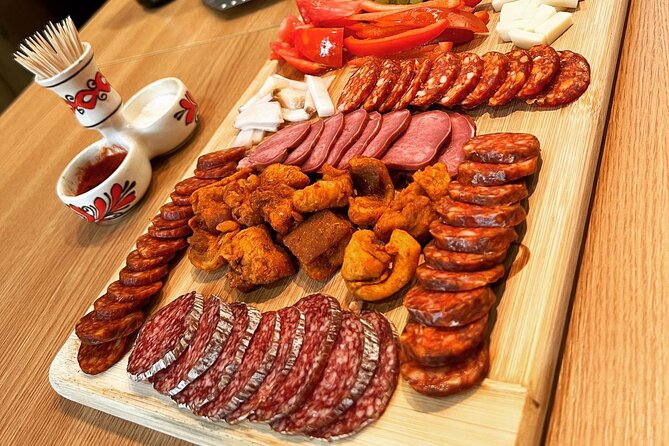
Wine is part of the social design. You may taste wine with the meal and sample additional local wines while cooking. Pálinka, Hungary’s fruit brandy, is also offered as a tasting.
For people who enjoy a drink, this adds a natural rhythm to the afternoon. You taste, cook, talk, and eat. The wine is connected to the food instead of being an unrelated bar stop.
If you do not drink, the experience should still work, but this is worth checking before you book. Non-alcoholic alternatives are intended to be available, though one negative account felt that non-drinkers received only tap water or squash while the alcohol flowed freely. The provider has said that alcohol is optional and that non-alcoholic choices are available.
The practical advice is simple: tell your guide at the start that you do not drink and ask what alternatives are offered. You should not feel pushed into alcohol, but the class does place wine and pálinka near the center of its social setting.
A few more Budapest trips to weigh up
- Premium Hungarian Home Cooking Experience with Chef Marti
★ 5.0 · 169 reviews - Hungarian Cooking and optional Local Market Tour
★ 4.5 · 98 reviews - Budapest: Hungarian Cooking Class and Market Walk
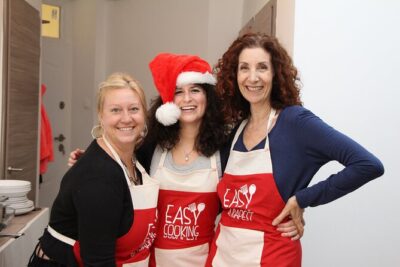
★ 5.0 · 91 reviews - Easy Cooking Class Budapest – with Market Walk (local wine & pálinka included)
★ 5.0 · 62 reviews
Dietary needs and shared-kitchen limits
Gluten-free, vegetarian, and vegan options are listed as available. That makes the class more flexible than a fixed-menu cooking event.
Gluten-free diners may receive potatoes instead of flour dumplings. Vegetarian and vegan participants should notify the provider in advance so the menu can be adjusted. The available information does not give a detailed substitute menu, so ask exactly what you will prepare before booking.
People with celiac disease need extra caution. The cooking takes place in a shared kitchen, and cross-contamination is possible. That may make the class unsuitable for someone who must avoid even trace gluten, despite the stated gluten-free option.
This is not a criticism of the concept. It is a matter of matching the experience to your needs. A flexible vegetarian meal is one thing. A medically strict gluten-free kitchen requires another level of control.
The guides make or break the afternoon
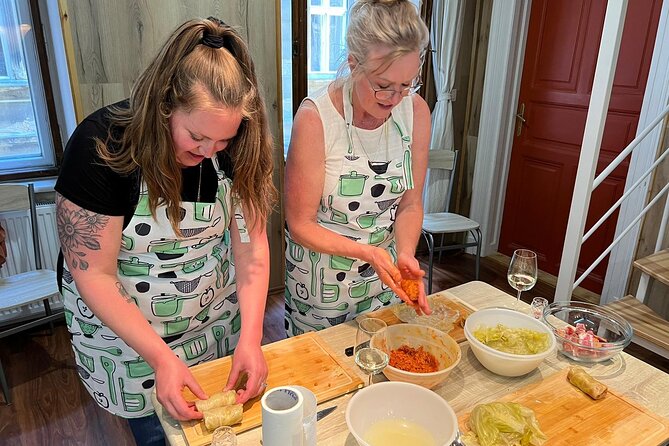
The class depends heavily on the person leading it. The most praised instructors include Kinga, Mesi, Ben, Birdie, Bertie, and Dominic.
Kinga is described as warm, patient, and especially good at creating a relaxed setting. Mesi is praised for her humor, clear teaching, and ability to involve everyone. Ben is described as welcoming and good at linking the market products with Hungarian history and cooking customs. Birdie and Bertie are also associated with engaging instruction and an easy social mood.
That range of names tells you that the experience is host-led rather than standardized in the manner of a large culinary school. Your guide may shape the class through stories, cooking tips, local restaurant suggestions, and conversation with the group.
This is good news if you want a personal introduction to Budapest. It also means the tone can vary. Some instructors may keep the class moving quickly, while others may allow more time for conversation and tasting.
The class is offered in English. The guide’s job is not just to explain a recipe. It is to help people with different cooking backgrounds work together. Several sessions included people who rarely cook, as well as confident home cooks, and the activity was structured so everyone could take part.
Four hours, walking, and the pace of the day
The full experience lasts about four hours and ends back at the meeting point. That is a good half-day use of time, especially on an arrival day or before an evening program.
Plan for more standing and walking than the phrase cooking class might suggest. The market portion may involve around 30 minutes on foot, followed by a walk to the kitchen. One account involving a person with mobility challenges noted the walk and difficulty with a broken elevator at the market. The escalator was working during that visit, but conditions can change.
The activity is near public transportation, and the Central Market Hall is an easy place to locate. Still, arrive ready for a busy public building, market noise, and a kitchen where you may stand while cooking.
The four-hour length is generally well judged. It gives enough time for market tastings, shopping, instruction, food preparation, and the shared meal. The tradeoff is that you cannot cover the full range of Hungarian cuisine in one afternoon.
You will probably make one main dish rather than a full restaurant-style menu. The class gives you a useful taste of home cooking, not a survey of every classic dish in Hungary.
Is $99 a fair price?
At $99 per person, the cost is not cheap for a four-hour activity, but it includes more than a cooking demonstration. You receive a guided market visit, tastings, ingredients, a hands-on lesson, a meal, wine pairings, and cultural explanation.
The value improves if you would otherwise book a market tour and a separate meal. It also saves you the trouble of buying unfamiliar ingredients and finding a suitable kitchen in Budapest. The recipe gives the afternoon a lasting benefit you can take home.
The value is weaker if you mainly want a large amount of food, a long market tour, or advanced instruction. You should also think twice if you dislike shared cooking, group conversation, or alcohol-centered social settings.
One charming detail from a session was the chance to choose an old postcard as a small souvenir, with the guide translating it. This is not listed as a guaranteed feature, so consider it a pleasant possibility rather than part of the price calculation.
The experience is often booked well ahead, around 48 days in advance on average. That suggests popular dates can fill early. Free cancellation is available up to 24 hours before the start time. If poor weather or the minimum number of bookings causes cancellation, you are offered another date or a full refund.
Who should book this Budapest cooking class?
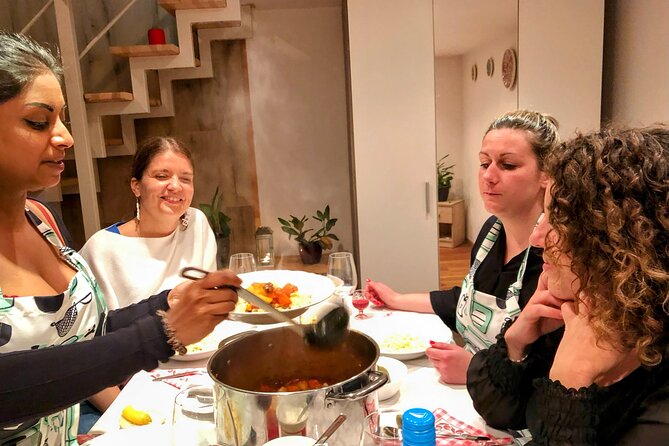
I would recommend it to you if you want food and culture in the same afternoon. It suits curious eaters, couples, families, solo visitors who enjoy meeting people, and home cooks looking for a Hungarian recipe they can repeat.
It is also a strong pick for families. An 11-year-old took part successfully, and another session included children who enjoyed the food. Cooking together gives younger participants something active to do, though the market walk and group pace may not suit every child.
You may want another type of activity if you need strict celiac-safe preparation, dislike alcohol being part of the atmosphere, or expect to cook several complex dishes. The class is social and home-style, not private, silent, or highly technical.
Before booking, check three things: the exact main dish, the group size, and the dietary arrangements. If you prefer a lively market, avoid Sunday when possible. If you want an intimate session, request confirmation that the group will stay within the stated 12-person limit.
Should you book it?
Book this experience if you want to understand Hungarian food through the places, products, and people connected to it. The Central Market Hall, family-style cooking, shared table, local wine, and friendly guides create a rounded Budapest afternoon for about $99.
Skip it if your priority is a long market tour, a private kitchen, strict medical dietary control, or advanced chef training. For most food-focused visitors who enjoy conversation and simple, traditional cooking, this is a worthwhile way to eat Budapest and learn a recipe you can make again.
FAQ
Where does the Budapest cooking class begin?
The activity begins at the Central Market Hall in Budapest, Hungary, at 1093 Budapest.
Where does the activity end?
It ends back at the meeting point.
How long does the experience last?
The experience lasts approximately four hours.
Is the class offered in English?
Yes. The class is offered in English.
What food might I cook?
The sample menu includes Hungarian sausage lecsó with Hungarian-style dumplings. Other sessions have prepared chicken paprikash with homemade Hungarian dumplings or noodles. The exact dish may vary.
Are gluten-free, vegetarian, and vegan options available?
Yes. Gluten-free, vegetarian, and vegan options are available. The gluten-free version may use potatoes instead of flour dumplings.
Is wine or pálinka included?
Yes. The experience includes wine pairings from local wineries and a tasting of Hungarian pálinka. Alcohol is offered as part of the activity, and non-alcoholic alternatives are intended to be available.
What is the cancellation policy?
You can cancel at least 24 hours before the local start time for a full refund. Cancellations or changes made less than 24 hours before the start time are not refunded or accepted. If the activity is canceled because of poor weather or insufficient bookings, you are offered another date or a full refund.
More Shopping Tours in Budapest
- Budapest Market Tour & Home Cooking Class with local Chef & Guide
★ 5.0 · 23 reviews - Budapest Christmas Market Tour with Basilica visit & Chimney cake
★ 5.0 · 18 reviews - Gourmet Market Walk at the Great Market Hall of Budapest
★ 4.5 · 18 reviews - Budapest Wonderland – A Christmas Market Tour with Chimney Cake & Mulled Wine
★ 5.0 · 15 reviews
More Markets in Budapest
- Budapest Food Tour: Market to Tavern with 14+ Tasters & Wines
★ 5.0 · 434 reviews - Budapest: Hungarian Cuisine in the Market Hall (german)
★ 4.8 · 146 reviews - Budapest Great Market Hall Chef‑Led Private Tasting Tour
★ 5.0 · 61 reviews - Budapest: Central Market Hall Guided Food Tour with Tastings
★ 4.9 · 46 reviews
Just added around Budapest
- From Budapest: Guided Tour of Eger with Wine Tasting★ 4.5 · 6 reviews
- Budapest: Private Walking Tour with a Local Guide★ 3.6 · 6 reviews
- Budapest: Danube River Views Bike Ride★ 4.8 · 23 reviews
- Trash Art Museum: Hungary’s First Scrap Metal Exhibition★ 4.3 · 72 reviews
- Walk to recent and aged spiritual sanctuaries near Budapest★ 5.0 · 5 reviews
- Budapest: 3-Hour Trabant Sightseeing Tour★ 4.7 · 28 reviews
- True Crime Walking Tour in the Buda Castle district★ 5.0 · 26 reviews
- Audio visual multi-sensory chefs journey dinner experience★ 5.0 · 3 reviews
Cooking Classes, compared.
Premium Hungarian Home Cooking Experience with Chef Marti
Read our review →
Hungarian Cooking and optional Local Market Tour
Read our review →
Easy Cooking Class Budapest – with Market Walk (local wine & pálinka included)
Read our review →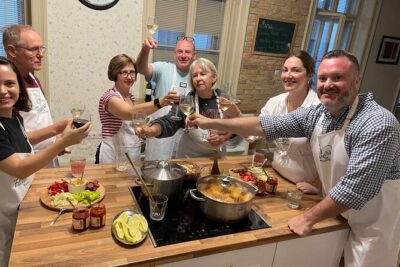
Budapest Market Tour & Home Cooking Class with local Chef & Guide
Read our review →
Hungarian Premium Cooking Class with 4-course meal
Read our review →Browse the lists this tour appears in