
Reviewed · WINE TOURS
From Budpaest: Páty Wine Village Tour with Tastings
Páty’s old wine cellars are the main event: low, rounded stone-and-earth rooms tucked into a wooded setting that feels more like a storybook village than a wine stop outside a capital. I like the small groups of up to eight and the chance to meet the people who actually make the wine, rather than simply touring a polished tasting room.
I also like the generous mix of wine and local food. Guide Miki brings strong knowledge of Hungarian wine, explains things in plain English, and keeps the mood relaxed. The main consideration is time: the advertised visit lasts three hours, but Budapest traffic can stretch the return, so do not schedule a tight connection afterward.
In This Review
- Key points at a glance
- Leaving Budapest for Páty’s storybook cellars
- What makes Páty’s cellar houses unusual
- Meeting local winemakers instead of touring a corporate estate
- Miki’s role makes the tasting easier to follow
- Regional ham, cheese, sausage, and olives
- Is $93 a fair price for three hours?
- Timing, transport, and the small details that matter
- Who will enjoy this Páty outing most?
- Should you book the Páty Wine Village Tour?
- FAQ
- How long is the Páty Wine Village Tour?
- Where does the tour begin and end?
- How many wines will I taste?
- Is food included?
- Is the tour suitable for children?
- What happens if there are not enough participants?
Key points at a glance
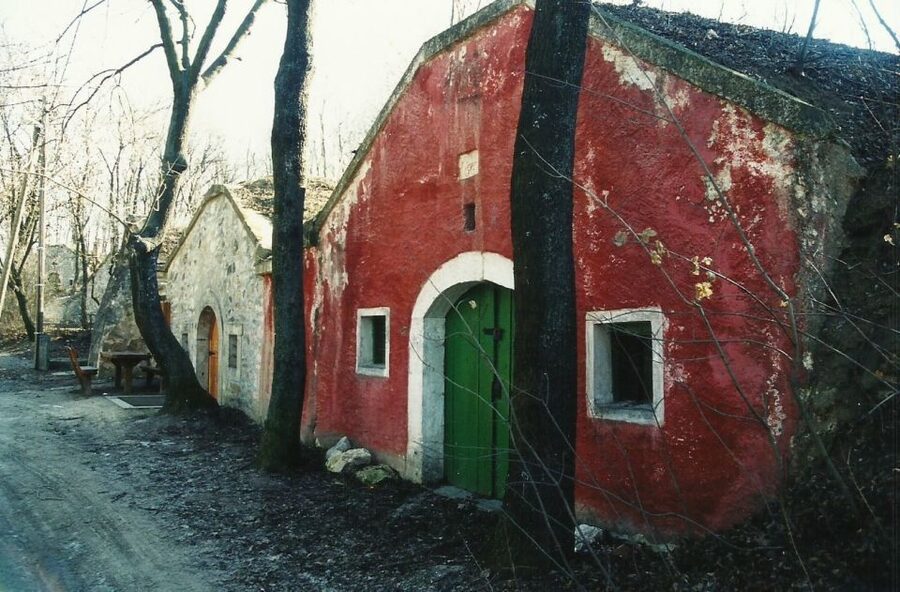
- Cellars from the 1880s: Páty’s unusual cellar houses are dug and built in a style strongly tied to this local wine area.
- Miki’s personal approach: He explains Hungarian wine, local history, production methods, and food pairings in an easy, informal way.
- Four wines at each cellar: Visiting two locations can mean about eight wines, with the exact selection depending on the day.
- A real countryside break: Páty is only about 20 to 30 minutes from Budapest by car, yet feels far removed from the city.
- Regional food included: Olives, ham, sausages, and several cheeses come from local farmers and are served as a shared tapas plate.
- A tiny, non-commercial feel: This is best for curious adults who want local producers and unusual cellars, not a large estate with polished visitor facilities.
Leaving Budapest for Páty’s storybook cellars
The tour begins outside The Al Habtoor Palace Budapest at Erzsébet tér, a central spot that is easy to reach from many parts of the city. Arrive about 10 minutes early. From there, your English-speaking guide takes you by road toward Páty, a small wine-producing village just outside Budapest.
The drive matters because it gives you a quick change of scene without sacrificing half a day. Budapest has plenty of cellar bars and tasting rooms, but Páty offers something different: a look at a local wine community in its own setting. Depending on traffic, the trip takes roughly 20 to 30 minutes each way.
On the way, Miki introduces Hungary’s long wine-making tradition and places Páty within the wider story of Hungarian wine. This is useful if your knowledge begins and ends with Tokaji. Hungary produces many other styles and grape varieties, and the tour is designed to show you that the country’s wine culture is much broader than its best-known sweet wines.
The group size is limited to eight. I consider that one of the strongest practical features. A small group makes it easier to hear explanations, ask questions, and speak with the winemakers without feeling like you are being moved through a crowd. It also suits the quiet, personal nature of the cellars.
More wine tours in Hungary:
- Budapest: Premium Sightseeing Cruise with Tokaj Frizzante
★ 4.7 · 2,510 reviews - Countryside Half-day Gastro-Wine Tour from Budapest Meal & pickup
★ 5.0 · 1,450 reviews - Budapest: Wine, Cheese, and Charcuterie Tasting
★ 4.9 · 647 reviews
What makes Páty’s cellar houses unusual
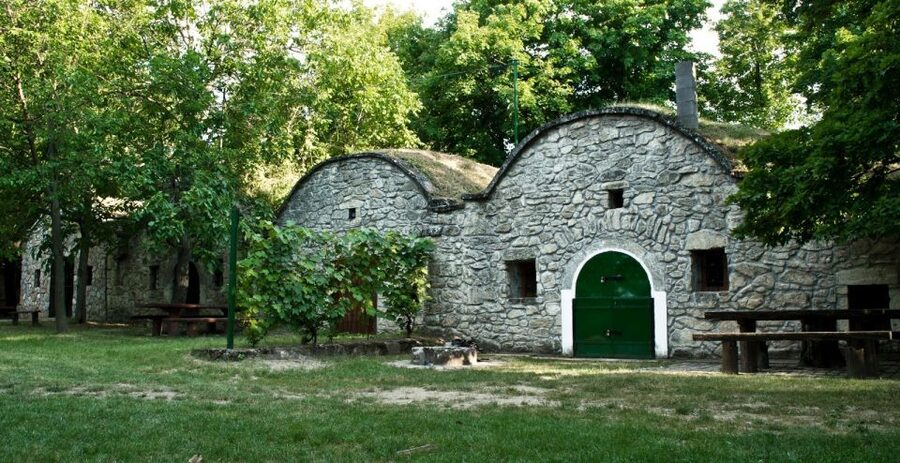
Páty is not presented as a grand vineyard destination. Its appeal comes from the old cellar houses, some dating to around 1880, and from the way they fit into the local surroundings. Descriptions of the cellars compare them to Hobbit burrows, which is a fair hint at their rounded, low-slung appearance and tucked-away setting.
You may walk among wooded paths and old cellar fronts rather than rows of vines stretching to the horizon. That distinction is important. If your ideal wine tour means wide vineyard views, modern architecture, and a formal estate lunch, this may feel too rustic. If you like places that retain their working character, Páty is much more rewarding.
The cellars were built for wine production and storage, and their age gives the visit a sense of continuity. You are not simply looking at old buildings as decoration. You are entering spaces connected to small-scale wine-making traditions that still matter to local producers.
The natural setting changes with the season. Autumn brings woodland color, while winter can make the cellars and surrounding paths feel especially quiet and atmospheric. One winter visit took place in snow, which added to the storybook quality. Summer and spring should offer a different mood, but the appeal remains the same: a peaceful rural setting close to the city.
Meeting local winemakers instead of touring a corporate estate
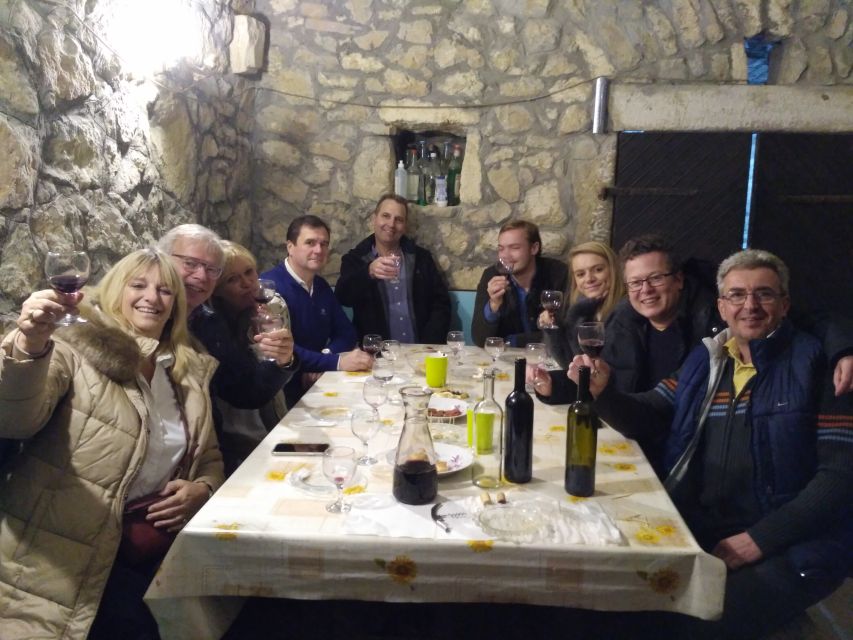
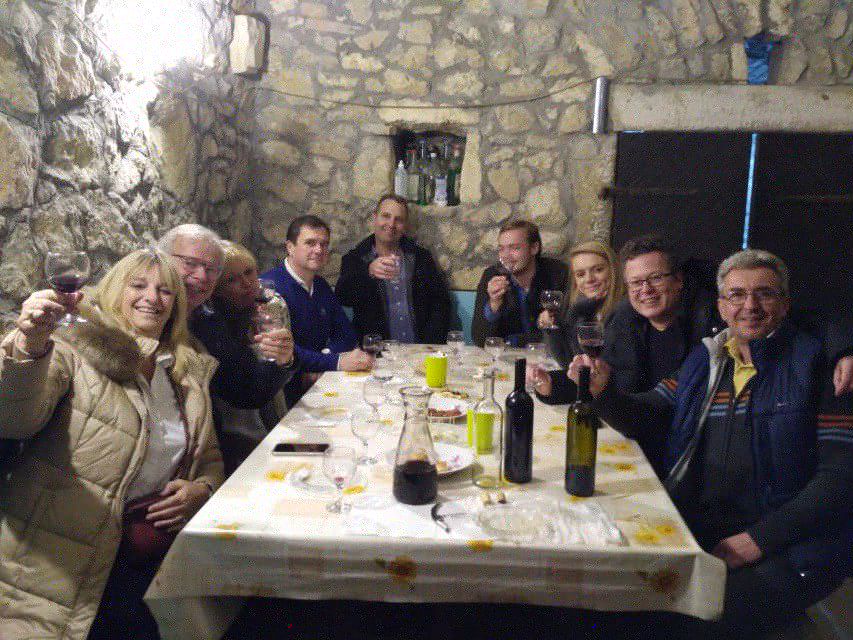
The tour visits one or two local wineries. At each cellar, you taste at least four different wines. If two cellars are included, that can work out to roughly eight wines, though the precise number and selection can vary.
The most valuable part is the direct contact with the producers. You may meet winemakers, hear how their wine is made, and ask questions about grapes, aging, production, and local conditions. Miki helps explain the conversation and adds wider context about Hungarian wine and wine-making in other parts of Europe.
One producer connected with the experience is Bridget Bernard, who continues her family’s wine-making tradition. Another cellar is associated with a very small producer making only about 1,000 bottles a year. That scale changes the feel of the tasting. You are not sampling wine made for mass distribution. You are getting a look at small production, where the person pouring may also grow the grapes, manage the cellar, and make the decisions behind the bottle.
Some tastings may include wine straight from the barrel. That is a nice touch for anyone curious about how wine develops before bottling. You may also try more established or award-winning Hungarian wines selected to show different styles and regions. The purpose is not simply to drink four glasses in quick succession. Miki explains the character of each wine and discusses how different bottles can work with food.
The selections can include white, red, and rosé wines. One particularly memorable rosé changed the mind of a visitor who normally does not choose rosé, which tells you something about the value of tasting outside your usual habits. Still, wine is personal. Do not expect every pour to suit your taste, and do not book this as a way to sample one famous label repeatedly.
Miki’s role makes the tasting easier to follow
A wine tour can become a lecture if the guide uses too much jargon. Miki’s strength is his ability to keep the discussion detailed without making it stiff. He is a wine journalist, wine judge, and owner of the Budapest wine bar Wine the Gap, and his experience gives him a broad frame of reference.
You can ask about Hungarian wine regions, production methods, grape character, food pairings, and the history of the cellars. You can also ask general questions about Budapest and Hungary along the way. His style is described as funny, patient, casual, and passionate, which is a useful mix for a tasting where the group may include both serious wine drinkers and complete beginners.
I like that the tour does not assume you already know the terminology. You can come with a strong interest in wine, but you do not need specialist knowledge to get value from the visit. Miki’s explanations help you understand what is in the glass and why it tastes the way it does.
The personal element is especially useful in a small cellar. Some local hosts may not speak English, so Miki can help connect you with the producer and explain what is happening. That interaction is more meaningful than a standard recorded presentation because it links the bottle to a real person and place.
Same riverbank, a completely different kind of day:
- Budapest: Unlimited Prosecco, Beer and Aperol Spritz Cruise
★ 4.8 · 25,310 reviews - Budapest: Széchenyi Spa Day Ticket with Optional Upgrades
★ 4.3 · 23,911 reviews - Budapest: Nighttime or Daytime Sightseeing Cruise
★ 4.2 · 21,062 reviews - Budapest: 1-Hour Evening Sightseeing Cruise with Drink
★ 4.5 · 8,330 reviews
Regional ham, cheese, sausage, and olives
At the final cellar, the wine is served with a tapas-style plate of regional food. Expect olives, ham, sausages, and several cheeses supplied by local farmers. This is not described as a full meal, so eat something light earlier if you need a substantial lunch or dinner.
The food plays an important role. It gives you a chance to test the wines with salty, fatty, and savory flavors rather than tasting every glass in isolation. Miki also discusses pairings, so the plate becomes part of the lesson.
The spread may include homemade or locally sourced items, and small personal touches can appear. One winter visit included cookies made by a winemaker’s mother, while another included Hungarian sausage and cheese from a local market. Those details are not guaranteed, but they show the informal character of the experience.
If you have dietary needs, share them before booking or contact the operator in advance. One guest received gluten-free bread, which suggests that some requests can be handled, but the supplied details do not promise a fixed menu for every dietary requirement.
Is $93 a fair price for three hours?
At $93 per person, this is not the cheapest way to drink Hungarian wine. You can find lower-cost tastings inside Budapest, especially if you only want a few pours and a short explanation. The price here covers more than wine: round-trip transport, a small group, access to Páty, at least four wines at each cellar, local food, and the guide’s time.
For me, the value rests on the setting and access. Páty’s old cellars are not the sort of place most people would find on their own, and the transport removes the need to arrange a car or work out a rural connection after drinking. Meeting producers and tasting small-scale wines adds value that a city bar cannot easily match.
The price makes the most sense if you want an experience rather than a bottle-by-bottle comparison. It is also a good use of a half day when you have already seen central Budapest and want something outside the usual sights.
Keep in mind that purchases are not included. You may want to buy a bottle, but check your luggage space and airline rules before doing so. One person regretted not having room to bring wine home, while another paid separately for a bottle poured during the visit.
Timing, transport, and the small details that matter
The planned duration is three hours, including the trip from central Budapest and the time in Páty. The village visit itself is listed at about two hours, leaving time for the drive there and back.
Traffic can make the return longer than planned. One visit reached Budapest later than expected, so I would avoid booking a spa appointment, train, airport transfer, or restaurant reservation immediately afterward. Give yourself a buffer, especially at busy times.
The tour requires at least two participants. If that minimum is not reached, an alternative date is offered. It is an adults-only activity, and children under 18 cannot join.
Cancellation is free up to 24 hours before the start, and you can reserve now and pay later. Those terms help if your Budapest schedule is still changing, but they do not remove the need to check the available start time for your chosen date.
Wear shoes suited to old cellar paths and rural ground. The provided information does not specify difficult walking, but these are historic cellar areas rather than a smooth modern tasting room. Dress for the season, too. Snow, autumn chill, or summer warmth will affect how comfortable you feel outside between cellars.
Who will enjoy this Páty outing most?
I would choose this tour for adults who want to understand Hungary through food, drink, and local people. It works especially well for:
- Wine lovers who want to taste beyond Tokaji
- Couples looking for a quiet change from Budapest’s center
- First-time visitors who want a short countryside outing
- Beginners who appreciate clear explanations without a formal classroom feel
- Repeat visitors who have already seen the main Budapest sights
- People interested in old buildings, local traditions, and small producers
I would think twice if you want a large vineyard, a formal meal, a guaranteed fixed wine list, or a full-day wine-region trip. This is a compact visit to an unusual local area. Its charm comes from the cellar houses, the personal hosts, and the informal format.
The tour is also less suitable if you have a very tight schedule. The three-hour estimate is reasonable, but traffic can add time. Wine purchases may also be tempting, so leave room in your plans and luggage.
Should you book the Páty Wine Village Tour?
Book it if you want to trade Budapest’s grand buildings and ruin bars for something quieter and more local. The combination of 1880s cellar houses, small producers, and Hungarian wines gives the outing a clear identity. It is not a generic tasting with a countryside label attached.
The strongest reason to go is Miki’s approach. He connects the wine to Hungarian culture, answers questions patiently, and keeps the tasting social rather than solemn. Add the farmer-made meats and cheeses, and you have a well-rounded three-hour escape.
I would skip it only if you need a predictable, tightly timed schedule or prefer polished commercial wineries. For most adults who want an unusual side trip from Budapest, $93 is a reasonable price for transport, tastings, food, and access to a place that is hard to discover independently.
FAQ
How long is the Páty Wine Village Tour?
The experience lasts three hours. The Páty visit itself takes about two hours, with the remaining time used for round-trip travel from central Budapest.
Where does the tour begin and end?
Pickup and return are outside The Al Habtoor Palace Budapest at Erzsébet tér 9 to 10, 1051 Budapest.
How many wines will I taste?
You will taste at least four different wines at each cellar. If the tour visits two cellars, the total may be about eight wines.
Is food included?
Yes. The experience includes tapas plates with olives, ham, sausages, and different cheeses from local farmers.
Is the tour suitable for children?
No. Participants must be at least 18 years old.
What happens if there are not enough participants?
The tour requires at least two participants. If that minimum is not met, an alternative date will be offered.
Just added around Hungary
- From Budapest: Guided Tour of Eger with Wine Tasting★ 4.5 · 6 reviews
- Budapest: Private Walking Tour with a Local Guide★ 3.6 · 6 reviews
- Budapest: Danube River Views Bike Ride★ 4.8 · 23 reviews
- Trash Art Museum: Hungary’s First Scrap Metal Exhibition★ 4.3 · 72 reviews
- Guided wine tasting at Rókusfalvy Estate★ 4.6 · 6 reviews
- Walk to recent and aged spiritual sanctuaries near Budapest★ 5.0 · 5 reviews
- Budapest: 3-Hour Trabant Sightseeing Tour★ 4.7 · 28 reviews
- The only Wine Cocktail Club in Tokaj, Lunch & Fun, Hungary★ 5.0 · 3 reviews
Wine Tours, compared.

Premium Sightseeing Cruise with Tokaj Frizzante
Read our review →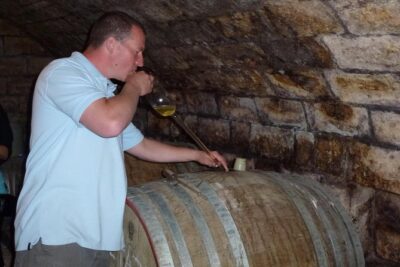
Countryside Half-day Gastro-Wine Tour from Budapest Meal & pickup
Read our review →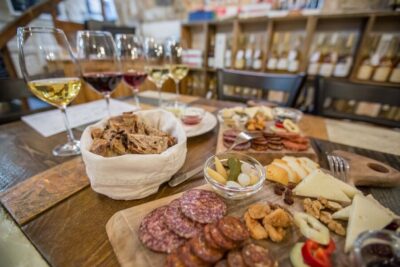


Budapest Cooking Class & Market Tour with Local Guide & Wines
Read our review →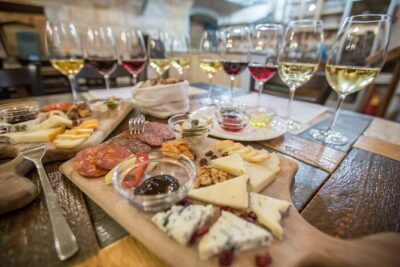
Hungarian Wine Tasting (with Cheese and Charcuterie) in Budapest
Read our review →
Budapest River Cruise with 1 Free Tokaj Frizzante and Audio Guide
Read our review →
Budapest Food Tour: Market to Tavern with 14+ Tasters & Wines
Read our review →Browse the lists this tour appears in