
Reviewed · WALKING TOURS
Alternative Budapest Walking Tour
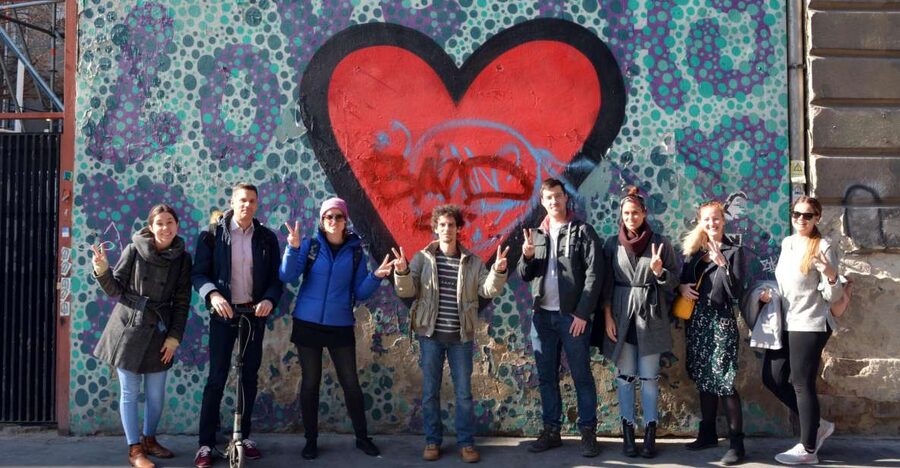
Budapest’s most revealing sights may be painted on a wall, tucked behind an unmarked door, or hidden inside a battered old building. This walking tour heads into the Jewish district and other central neighborhoods to show you murals, ruin bars, galleries, cafés, studios, and design shops rather than spending the afternoon at the standard monuments.
I like the small groups, limited to 10 people, because you can ask real questions and hear your guide without fighting a crowd. I also like the mix of street art and social history, from local graffiti writers to abandoned synagogues and the role of ruin bars in bringing neglected districts back to life.
The main drawback is the price: $67 per person is a serious charge for a 2.5-hour walking tour, especially since food, drinks, and entrance fees are extra. You are paying for access to a changing local scene and a strong guide, not for major ticketed sights.
In This Review
- Key points at a glance
- Budapest beyond the postcard sights
- Beginning at the pale-yellow Lutheran Church
- Reading Budapest through murals and graffiti
- The Jewish district and its layered past
- Cafés, design shops, and creative collectives
- What makes a ruin bar worth seeing
- Music venues and Budapest after dark
- The guides make the difference
- Is $67 a fair price?
- Who should book this walk?
- Should you book the Alternative Budapest Walking Tour?
- FAQ
- Where does the Alternative Budapest Walking Tour meet?
- How long does the walking tour last?
- What language is the tour conducted in?
- How many people are in each group?
- What areas does the tour visit?
- What types of places will I see?
- Is food or a drink included?
- Are entrance fees included?
- What should I wear or bring?
- Is the tour suitable for wheelchair users?
Key points at a glance
- The Jewish district is the main stage: See how old buildings, street art, cafés, bars, and cultural spaces shape modern Budapest.
- Small groups keep it personal: With no more than 10 participants, you have plenty of chances to ask about art, politics, nightlife, and daily life.
- Ruin bars have a wider story: Places such as Szimpla Kert are presented as community spaces and cultural landmarks, not just party venues.
- Guides bring different strengths: Ray and Raymond are praised for historical context, while Petra, Anna, Bella, and Krisztián are noted for their warmth and local insight.
- The route changes: This is not a fixed checklist of famous sights. Stops depend on what is active and interesting in Budapest at the time.
- Wear good shoes: The tour is on foot, lasts around 2.5 hours, and is not suitable for wheelchair users or people with mobility impairments.
Budapest beyond the postcard sights
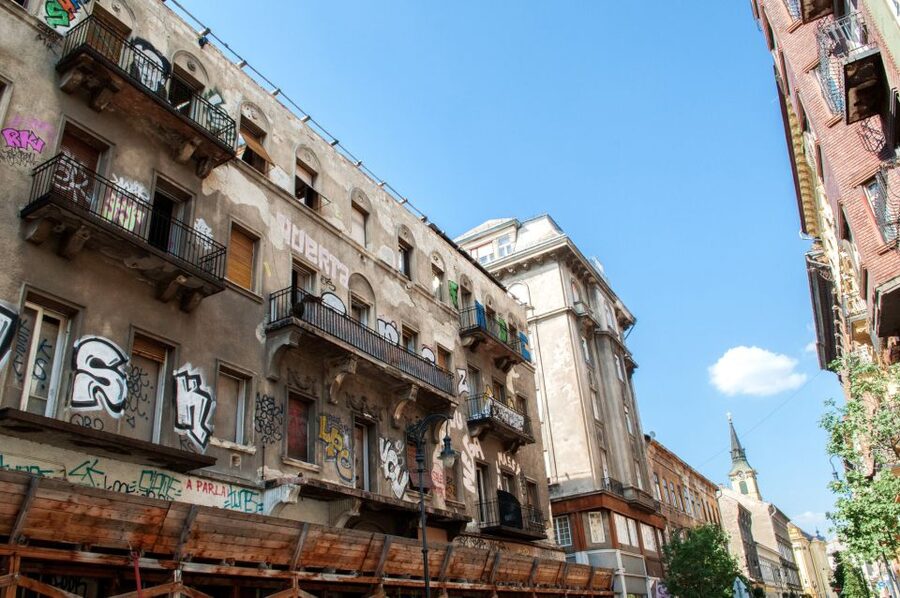
I see this tour as a useful second look at Budapest. The city’s grand buildings, thermal baths, bridges, and hilltop views deserve attention, but they tell only part of the story. This walk asks what happens after an old neighborhood is neglected, then claimed by artists, musicians, café owners, designers, and night owls.
The central focus is the old Jewish district, especially the area associated with Budapest’s alternative culture. You are not simply shown a series of colorful walls. Your guide explains how the district changed, why abandoned or poorly maintained buildings became useful spaces, and how creative groups began using places that formal institutions had left behind.
That context makes the art easier to read. A mural can reflect local politics, a building can reveal a chapter of urban change, and a ruin bar can be both a nightlife stop and a sign of how Budapest’s inner districts have been reused.
The tour also looks toward the present and future. It gives less attention to the old royal story of Buda and more to the people shaping contemporary Pest. The advertised route includes both Buda and Pest, but the detailed experience centers strongly on Pest’s Jewish district and nearby alternative spaces. If you want a broad introduction to both sides of the Danube, choose a classic city tour instead.
A few more Budapest trips to weigh up
- Budapest: Buda Castle Walk with Saint Stephen’s Hall
★ 4.5 · 3,012 reviews - Big Bus Budapest Hop-On Hop-Off Bus and Walking Tour
★ 3.5 · 2,206 reviews - Budapest: Buda Castle District Walking Tour
★ 4.6 · 2,108 reviews
Beginning at the pale-yellow Lutheran Church
You meet your guide on the steps in front of the pale-yellow Lutheran Church. This is a practical central meeting point, but look carefully for the right church and arrive with enough time to orient yourself. If you have trouble finding the guide, the local partner can be called for help.
The first few minutes set the tone. This is not a march from one famous landmark to another. Your guide may point out where the main tourist zone is, then take you in another direction. One early description of the walk captured the idea neatly: the group was told it would not be spending the tour near the standard tourist center.
That approach suits me. You still get historical information, but you are not asked to admire a monument without understanding the neighborhood around it. The guide helps connect streets, buildings, artwork, and local habits.
The English level matters here. You need to follow spoken English well, since much of the value comes from conversation and explanation. Several guides have been praised for clear speech, casual delivery, and a willingness to answer questions rather than rush through a prepared script.
Reading Budapest through murals and graffiti
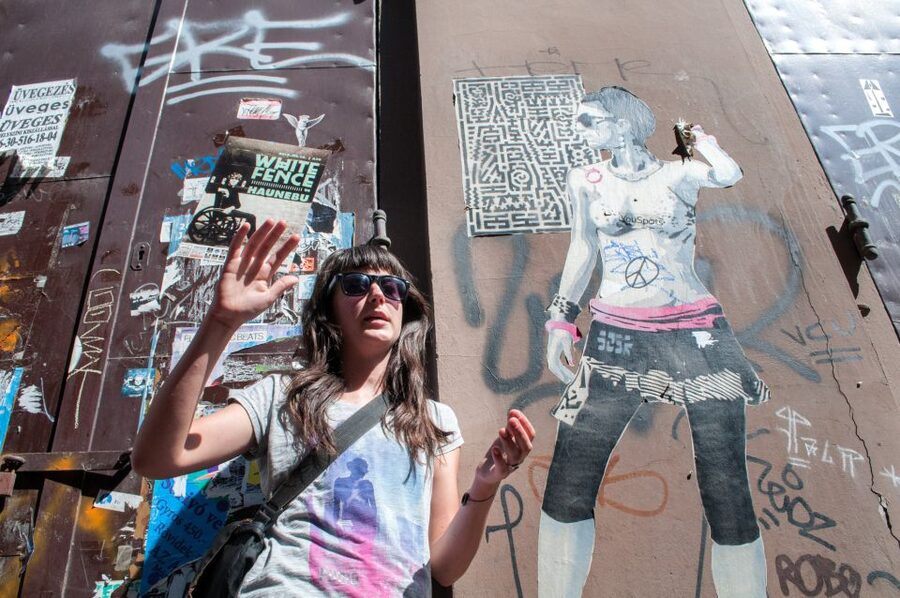
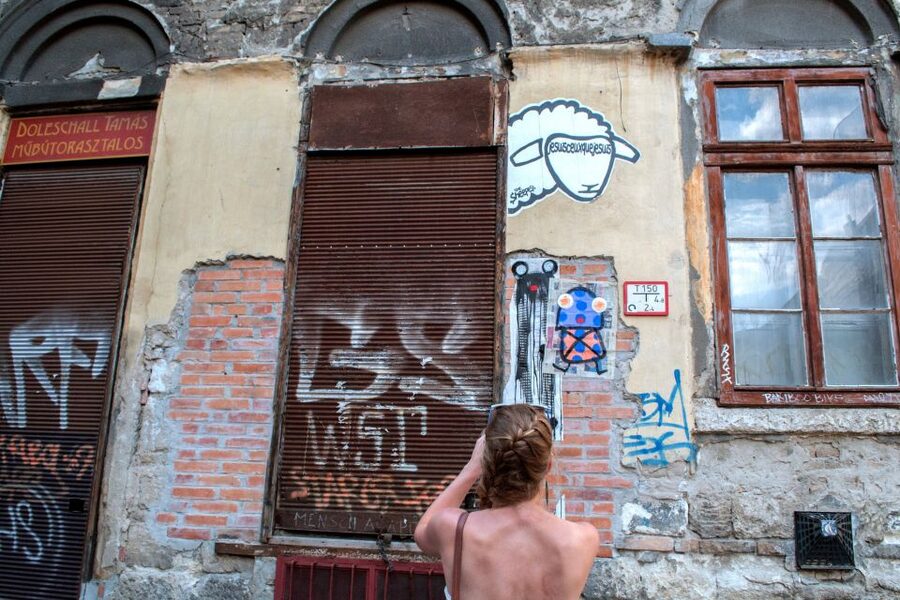
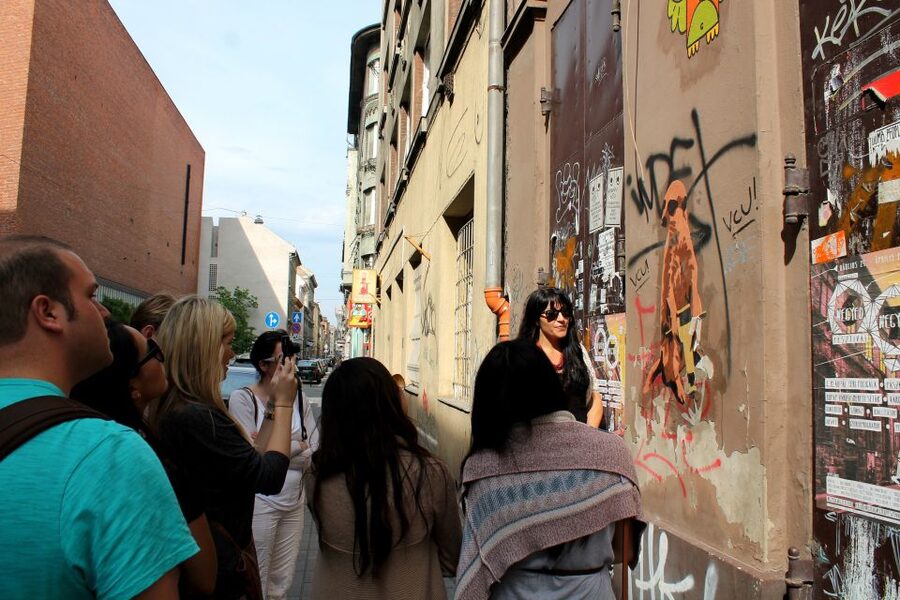
Street art is the tour’s most visible feature. You may stop at murals, painted walls, smaller graffiti works, and traces of paint in places you might otherwise walk past. The point is not just to photograph them. Your guide explains local artists, graffiti writers, the meaning behind selected pieces, and the way Budapest treats public art.
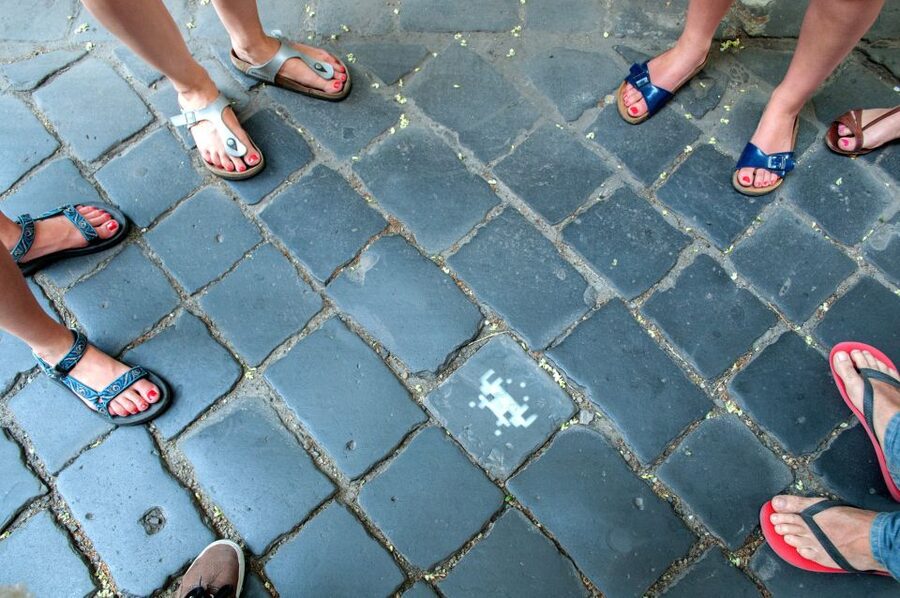
One useful detail from the tour is the attention to paint on sidewalks and other surfaces that may seem random at first. Small marks, layers of paint, and altered building fronts can say something about how artists work and how the city responds.
The route changes as the city changes. That is a strength, but it also means you should not expect a guaranteed list of specific murals. Outdoor art can be painted over, removed, or replaced. A fixed tour would be easier to advertise, but an adaptable route is better for a living art scene.
I would not book this solely to collect social-media photographs. If you already spend a lot of time following Budapest street art, you may recognize some locations. The extra value comes from local background, the history of the district, and the chance to ask why a particular work or building matters.
The Jewish district and its layered past
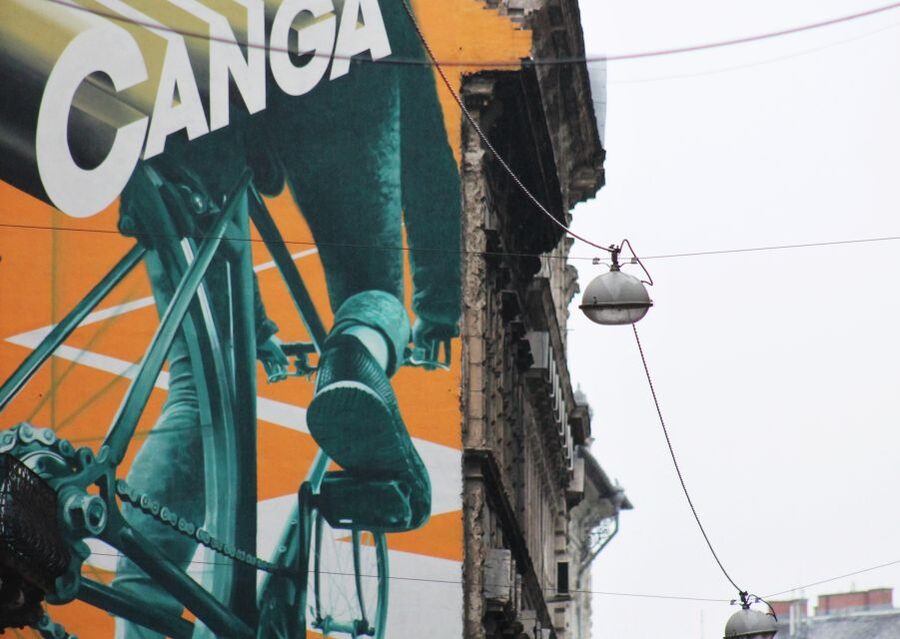
The Jewish district is where the tour gains weight. Your guide discusses the history of Budapest’s Jewish community and shows how the area has shifted into a sought-after part of the city filled with restaurants, cafés, bars, and creative businesses.
The walk may include old synagogues, including abandoned or repurposed buildings, as well as cultural centers and informal spaces. The contrast is important. A faded façade can sit beside a fashionable shop, while a former religious or residential building may now support art, music, or nightlife.
You are not getting a dedicated Jewish heritage tour, so the historical treatment has a contemporary purpose. The guide uses the district’s past to explain its present. That balance worked well for earlier groups led by guides such as Cristian, Raymond, and Krisztián, who connected local history with politics, street art, and everyday life.
I would ask questions here. The small group makes that easier, and the guides are expected to provide current information about neighborhoods, events, bars, and cultural spaces. This is one reason I would schedule the tour early in your stay. You can use the advice later rather than hearing about places after you have already left Budapest.
Same riverbank, a completely different kind of day:
- Budapest: Unlimited Prosecco, Beer and Aperol Spritz Cruise
★ 4.8 · 25,310 reviews - Budapest: Széchenyi Spa Day Ticket with Optional Upgrades
★ 4.3 · 23,911 reviews - Budapest: Nighttime or Daytime Sightseeing Cruise
★ 4.2 · 21,062 reviews - Budapest: 1-Hour Evening Sightseeing Cruise with Drink
★ 4.5 · 8,330 reviews
Cafés, design shops, and creative collectives
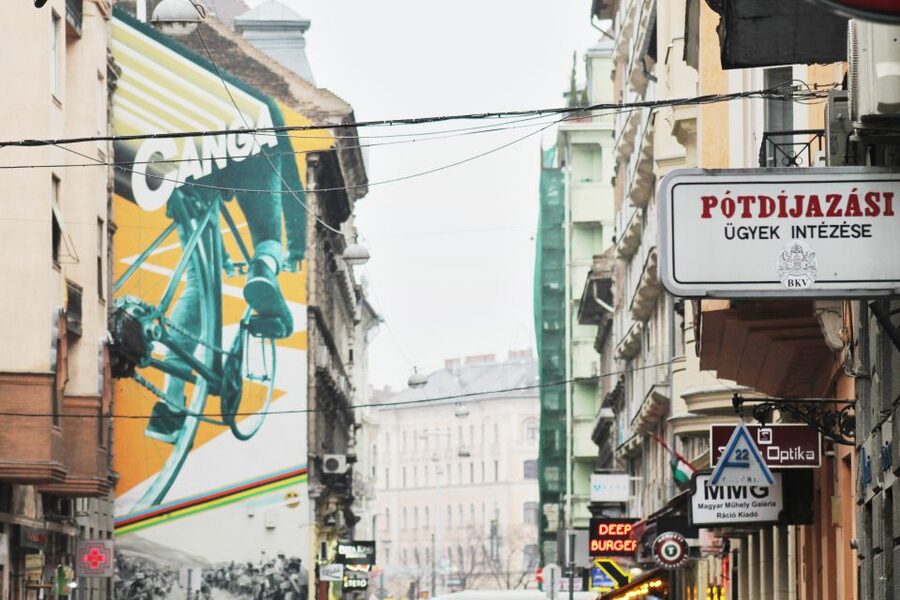
A good part of this walk happens indoors or around small independent businesses. Possible stops include a coffee and art collective, a design shop, a bookshop café, a bike workshop, and an analogue photography gallery.
Printa is one specific place previously included in a route. It combines eco-conscious design with coffee, making it a useful example of the kind of stop you can expect. You are seeing how local creative work becomes a business, not just viewing art in a formal gallery.
These stops also provide a break from walking. One cold-weather outing included indoor pauses, coffee, and mulled wine. That matters because Budapest weather can change your enjoyment of a walking tour quickly. Bring comfortable, weather-appropriate clothes, and do not treat the café stop as guaranteed meal time. Food and drinks are not included.
The independent shops may be more interesting to you than a standard souvenir store, especially if you like design, books, photography, bicycles, or local art. On the other hand, shops and collectives can change opening hours or move. The route’s flexible nature is useful, but it prevents the certainty of a conventional museum visit.
What makes a ruin bar worth seeing
Ruin bars are often sold as Budapest’s must-see nightlife. This tour gives you a more useful explanation of how they fit into the city.
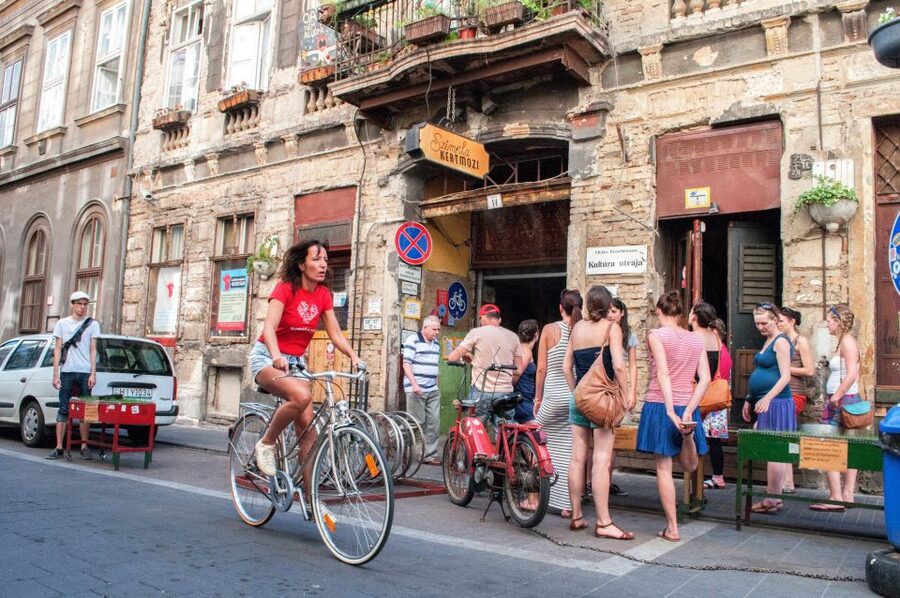
Szimpla Kert is a likely highlight. It occupies a large, eccentric space arranged around a courtyard, with multiple rooms, mismatched objects, and unusual seating. One memorable detail is an old Trabant converted into a seating area. You may also see the venue described as more than a bar, with community activities, cultural events, and a distinct visual style.
That is the right way to approach it. You can visit a ruin bar on your own at night, but a guide helps you see why these places became important in the first place. They made use of neglected buildings and helped turn the old Jewish district into a center for entertainment and alternative culture.
Still, the ruin-bar experience has limits. A short daytime walking tour cannot show you the full nightlife atmosphere, and the venue may be busy or operating differently when you visit. If your priority is an evening out, save time for a separate return visit. The tour gives you background and orientation, not a full night of music and drinks.
Music venues and Budapest after dark
The tour can also touch on Budapest’s independent music scene. Possible locations include live music venues and smaller hangouts that do not appear on a standard sightseeing route.
One past route included the A38 ship bar and venue, where the group saw a sound check. That stop should not be treated as a guaranteed part of every outing, but it shows the range of the experience. You may hear about music spaces, local events, and the role of informal venues in the city’s creative life.
This is especially useful if you are staying several days. Your guide can point you toward the sort of place that matches your interests, from art and design to music and nightlife. Since the scene changes, ask what is current during your visit.
The tour’s timing can affect this part of the experience. The advertised duration is 2.5 hours, while the description also refers to a three-hour outing. Plan for roughly 2.5 to 3 hours, and avoid booking a tight connection or a fixed dinner reservation immediately afterward.
The guides make the difference
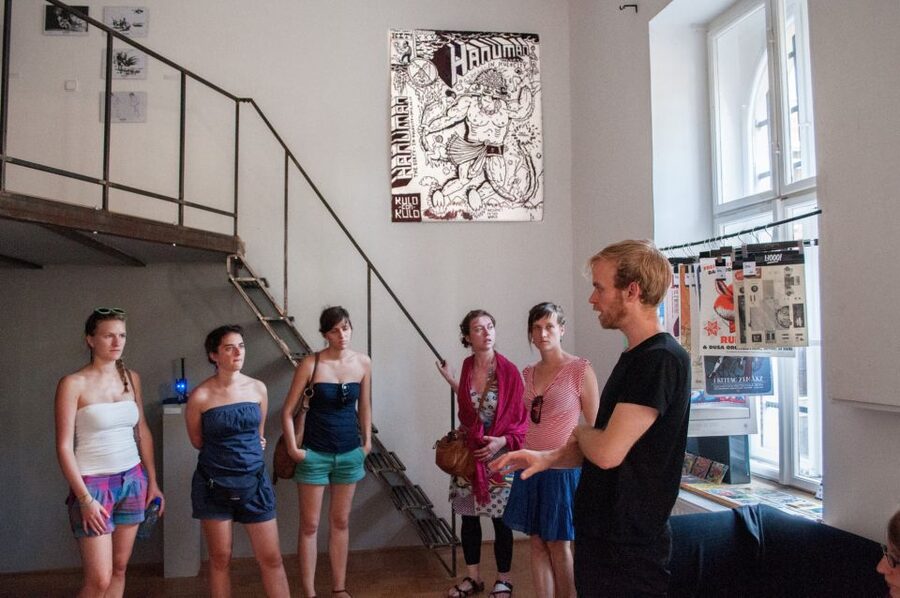
The strongest part of this experience is the guide. The route is interesting, but a weak guide could turn it into a dull list of murals and bars. The available guide names include Ray and Raymond, Petra, Anna, Bella, Krisztián, Cristian, Zsophia, Antonia, and Boti.
Several qualities appear again and again in the feedback: clear English, friendly conversation, strong local knowledge, useful stories, and flexibility. Petra was praised for being warm and engaging. Ray and Raymond were valued for combining city history with places such as murals, shops, galleries, and ruin bars. Anna was described as enthusiastic and willing to share details about local daily life.
You may not be assigned a particular guide, so do not book expecting one named person. The important point is that this tour depends heavily on the individual leading it. A good guide will adjust the conversation to the group, explain what you are seeing, and offer practical suggestions for the rest of your stay.
The small group limit helps. With up to 10 people, you can ask about politics, architecture, nightlife, local customs, or a specific painting. A large group would make the walk less personal and make indoor stops harder to manage.
Is $67 a fair price?
At $67 per person, this is not a bargain walking tour. You are paying more than you would for a basic city orientation, and you still cover your own coffee, beer, food, and any entrance fees.
The value depends on how much you want interpretation rather than simple sightseeing. I think the price makes more sense if you care about street art, alternative culture, independent shops, Jewish-district history, or current nightlife. The guide’s tips can also save you time by directing you toward places suited to your interests.
It makes less sense if you mainly want Budapest’s famous architecture and historic monuments. In that case, a traditional walking tour will cover more classic sights for your money.
The tour’s changing route is part of the value. You are not just buying a walk between fixed attractions. You are paying for a local person who knows what is active and worth seeing now. That benefit is difficult to measure, but it is also why the experience will vary from one date to another.
Who should book this walk?
I would choose this tour early in a Budapest visit, particularly if you have two or more days in the city. The guide can help you plan later evenings, find cafés and shops, and decide which ruin bars or music venues deserve a return visit.
It suits adults and older teenagers who enjoy walking, conversation, urban art, independent businesses, and modern city life. It also works well for visitors who have already seen the main monuments and want a different angle.
It may not suit you if you have limited mobility. The experience is on foot and is specifically not suitable for wheelchair users or people with mobility impairments. Comfortable shoes are essential, and weather-appropriate clothing matters in winter, rain, or hot weather.
Book with realistic expectations. You will not see every famous Budapest sight, enter a long list of attractions, or receive a meal and nightlife package. You will get a guided look at the city’s creative side, with plenty of room for questions.
Should you book the Alternative Budapest Walking Tour?
I would book it if you want to understand why Budapest’s old Jewish district feels so different from the grand boulevards and royal viewpoints. The street art, abandoned buildings, cafés, design shops, cultural spaces, and ruin bars form a useful picture of the city as it is now.
The price is the chief hesitation. At $67, the tour needs a strong guide to feel worthwhile. The consistently positive response to guides such as Petra, Ray, Anna, and Krisztián suggests that personal storytelling is the product here, but the exact route and guide can vary.
Choose it for local context, current tips, and a small-group conversation. Skip it if your priority is a low-cost introduction to Budapest’s major landmarks. For the right visitor, this is a smart way to see the city’s less polished, more creative side.
FAQ
Where does the Alternative Budapest Walking Tour meet?
Meet your guide on the steps in front of the pale-yellow Lutheran Church in central Budapest.
How long does the walking tour last?
The activity is listed as 2.5 hours. The description also refers to a three-hour tour, so allow roughly 2.5 to 3 hours.
What language is the tour conducted in?
The live guided tour is conducted in English.
How many people are in each group?
The group is limited to 10 participants.
What areas does the tour visit?
The experience explores central Budapest, with a strong focus on the Jewish district and alternative cultural areas. The description also refers to walking in both Buda and Pest.
What types of places will I see?
You may visit or pass street art, ruin bars, live music venues, art galleries, design shops, studios, cafés, cultural centers, bike workshops, and photography galleries.
Is food or a drink included?
No. Food and beverages are not included. You may stop at a café or bar, but you pay for your own purchases.
Are entrance fees included?
No. Any entrance fees are paid separately.
What should I wear or bring?
Wear comfortable shoes and comfortable clothes. Bring clothing suitable for the weather.
Is the tour suitable for wheelchair users?
No. The activity is not suitable for wheelchair users or people with mobility impairments.
Just added around Budapest
- From Budapest: Guided Tour of Eger with Wine Tasting★ 4.5 · 6 reviews
- Budapest: Private Walking Tour with a Local Guide★ 3.6 · 6 reviews
- Budapest: Danube River Views Bike Ride★ 4.8 · 23 reviews
- Trash Art Museum: Hungary’s First Scrap Metal Exhibition★ 4.3 · 72 reviews
- Walk to recent and aged spiritual sanctuaries near Budapest★ 5.0 · 5 reviews
- Budapest: 3-Hour Trabant Sightseeing Tour★ 4.7 · 28 reviews
- True Crime Walking Tour in the Buda Castle district★ 5.0 · 26 reviews
- Audio visual multi-sensory chefs journey dinner experience★ 5.0 · 3 reviews
Walking Tours, compared.
Budapest City Landmarks Walking Tour in 2 Hours
Read our review →
3-Hour Orientation Walking Tour of Buda and Pest
Read our review →

Budapest Historical Sightseeing – Free Walking Tour
Read our review →
Budapest All in One Small Group Walking Tour with Strudel Stop
Read our review →
Buda Castle District Walking Tour with a Historian
Read our review →Browse the lists this tour appears in