
Reviewed · WINE TOURS
Budapest: Essentials of Hungarian Wine Tasting Class
Hungary’s wine story is far more varied than most visitors expect, and this two-hour class gives you a useful map before you start ordering bottles around Budapest. You’ll taste eight wines from several Hungarian regions, including small-producer bottles and the famous sweet Tokaj aszú.
I like the generous pours and the local cheese and charcuterie, which can make this feel like both an evening class and a light dinner. I also like the relaxed format: the sommelier explains each wine, then gives you time to taste, chat, and compare notes. The only caution is that eight full-leaning pours can leave you tipsy, while some sessions may include a lot of information or background chatter.
In This Review
- Key points to know before you book
- Why Hungarian wine deserves two hours of your Budapest time
- The tasting sequence: from aperitif to Tokaj aszú
- What the sommelier adds to the evening
- The food pairings are more useful than decoration
- How much wine do you really drink?
- Price and value at $65 per person
- Getting there and fitting it into your itinerary
- Who will enjoy this class most
- Small practical tips for a better evening
- Should you book the Hungarian wine tasting class?
- FAQ
- Where does the Hungarian wine tasting take place?
- How long does the tasting last?
- How many wines are included?
- What kinds of wine will I taste?
- Is food included?
- Is mineral water included?
- Is the tasting held in English?
- How old must I be to participate?
- How much does the tasting cost?
- Can I cancel the booking?
- Do I have to pay when I book?
- Is there a minimum number of participants?
Key points to know before you book
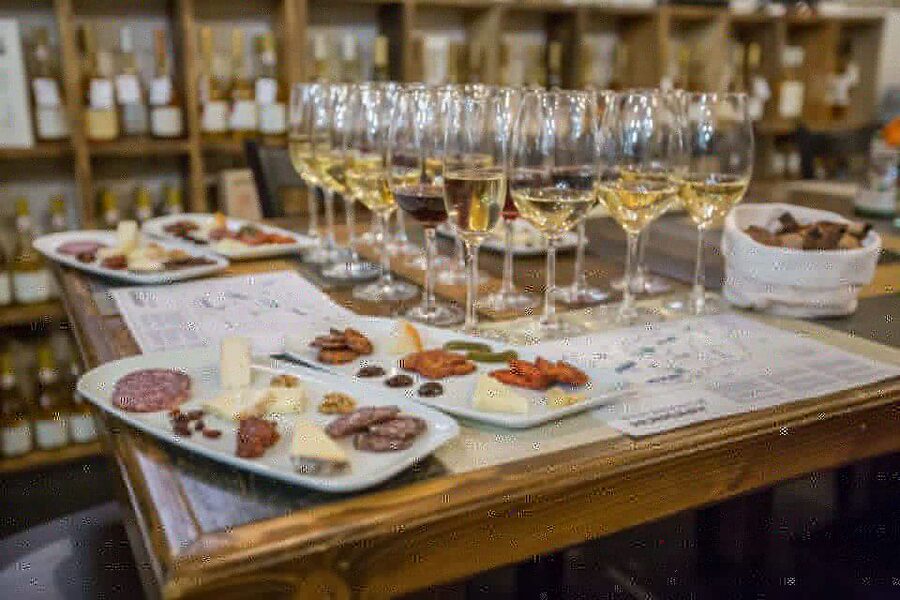
- Eight wines tell a broad Hungarian story: Expect sparkling wine, whites, reds, perhaps rosé, and a sweet botrytised Tokaj aszú.
- The setting is central and easy to reach: The Tasting Table Budapest is on Bródy Sándor utca, about 150 meters from the National Museum.
- Food is part of the experience: Hungarian cheeses, meats, bread, and other local flavors accompany the tasting.
- The teaching is friendly, not stuffy: Guides including Tomas, Carlos, John, Sebastian, and others bring humor and personal insight.
- The $65 price is strong value: Eight pours, food, water, teaching, tasting sheets, and a regional map are included.
- Plan your evening around it: Most sessions run from 6:00 PM to 8:00 PM, and you must be at least 18.
Why Hungarian wine deserves two hours of your Budapest time
Hungarian wine is easy to miss. Budapest menus often give more space to international labels, and visitors usually know Tokaj before they know the country’s other grapes and regions. This class corrects that imbalance quickly.
The goal is not to make you a sommelier in one evening. It is to give you enough background to recognize the main regions, understand the important grape varieties, and make better choices for the rest of your stay. That is a useful travel skill. You may leave knowing why a dry white from one part of Hungary tastes different from a red from another, and why Tokaj aszú has such a strong place in the country’s wine culture.
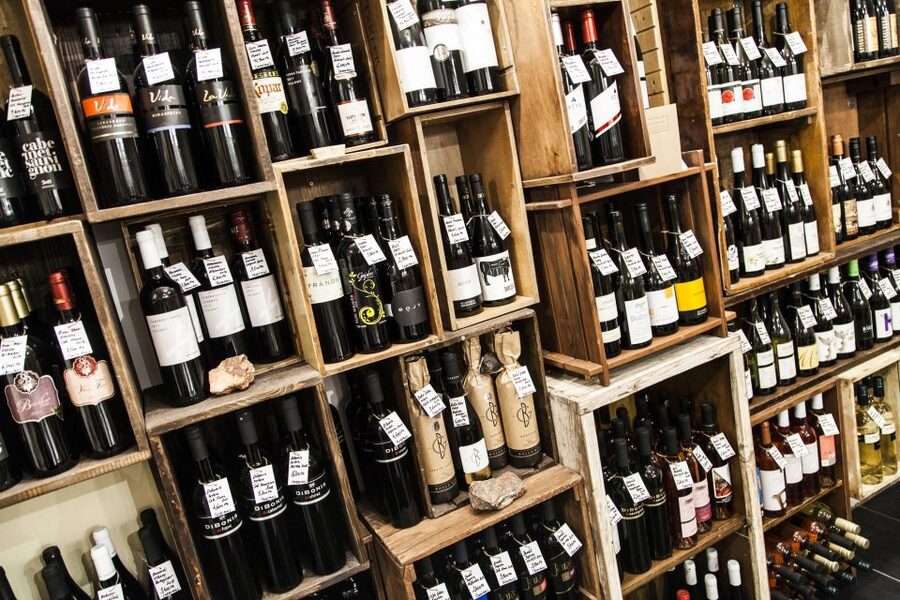
The tasting is held at The Tasting Table Budapest, a shop and tasting room in District VIII. The location is just 150 meters from the National Museum and about a five-minute walk from either Astoria or Kálvin tér. That makes it easy to pair with a museum visit, a walk through the central districts, or dinner afterward.
The venue has been described as a charming old cellar with brick arches. It is not a grand palace or a formal hotel dining room. That is part of the appeal. The atmosphere feels suited to conversation, bottles, and food rather than ceremony.
More wine tours in Budapest:
- Budapest: Premium Sightseeing Cruise with Tokaj Frizzante
★ 4.7 · 2,510 reviews - Countryside Half-day Gastro-Wine Tour from Budapest Meal & pickup
★ 5.0 · 1,450 reviews - Budapest: Wine, Cheese, and Charcuterie Tasting
★ 4.9 · 647 reviews
The tasting sequence: from aperitif to Tokaj aszú
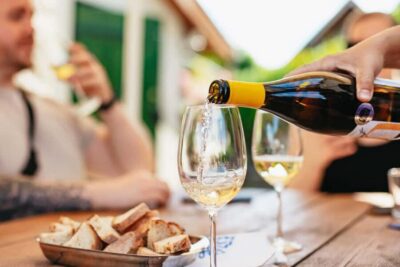
The session begins with an aperitif, setting up the evening with a light and welcoming first glass. From there, the selection moves through white wines and reds, with a rosé possible depending on the evening. The final wine is generally a sweet botrytised Tokaj aszú.
That order makes sense. You start with something fresh, move through the country’s range of dry wines, and finish with one of Hungary’s best-known specialties. The sequence also lets you notice how different wine styles work with the food on the table.
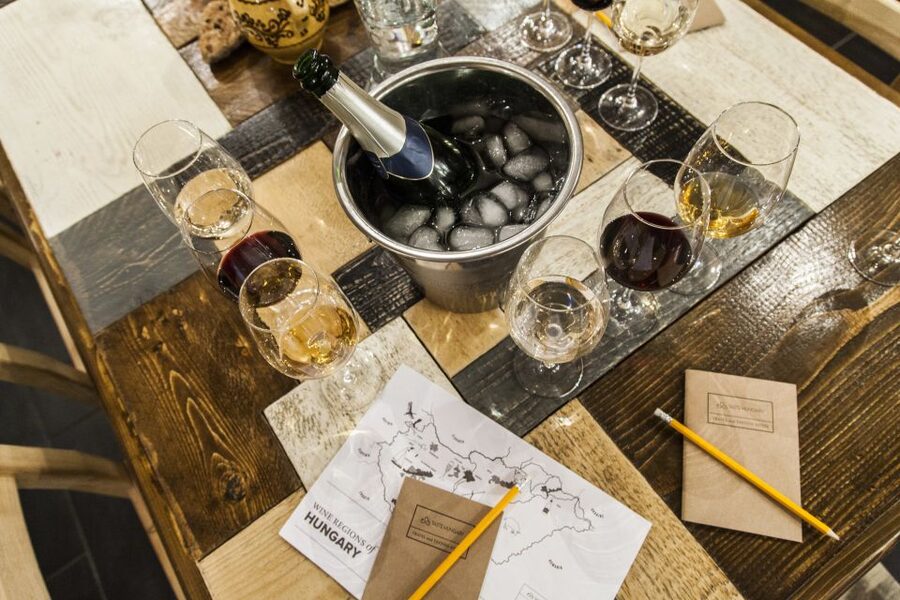
You receive tasting sheets and a map of Hungarian wine regions. Use them. The map gives the talk a practical shape, while the sheet helps you record the grapes and bottles you actually enjoy. After several pours, detailed notes can become less detailed, so write down your favorites early.
The wines are bought directly from producers the team has worked with over time. That does not mean every bottle will suit every palate. It does mean the selection has a reason behind it. You are not simply being handed eight random glasses. Each bottle is used to explain a region, grape, style, producer, or current direction in Hungarian wine.
The exact lineup changes, so you should not book expecting particular labels. The point is the range. A typical structure includes one sparkling wine, three whites, three reds, and one sweet wine, though the evening may vary.
What the sommelier adds to the evening
The guide makes or breaks a tasting class, and this format has earned strong praise for its hosts. Names that have appeared in recent sessions include Tomas, Carlos, John, Sebastian, Christian, and Somali. Your guide will depend on the date, but the teaching is in English.
Tomas is especially strong on the connection between soil, climate, and taste. Carlos has been praised for combining wine knowledge with a broad understanding of Hungary. John brings a personal story and international experience, while Sebastian has been described as warm and well prepared. The different personalities are part of the charm, but the central aim stays the same: explain Hungarian wine without making you feel foolish for not knowing the terminology.
The best part of the format is its breathing room. Information is given before or around each wine, then you get time to drink, eat, and talk. This is better than sitting through a nonstop lecture. One session reportedly ran longer because the conversation continued, while another guide gave so much detail that some of it was hard to retain. That tells you what to expect: the evening is informal, but the amount of explanation can vary by host and by group.
A little background chatter is possible in a social tasting. If you have trouble hearing, sit near the guide and avoid the far end of a large table. The class is designed to bring people together, which is good for solo visitors and couples who enjoy meeting other wine drinkers, but it may not suit someone seeking a silent, highly formal tasting.
The food pairings are more useful than decoration
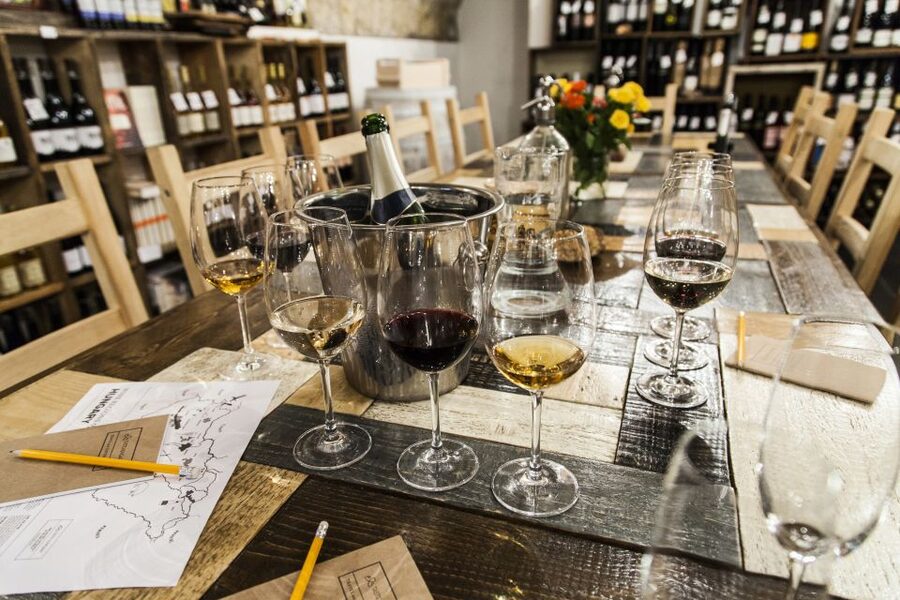
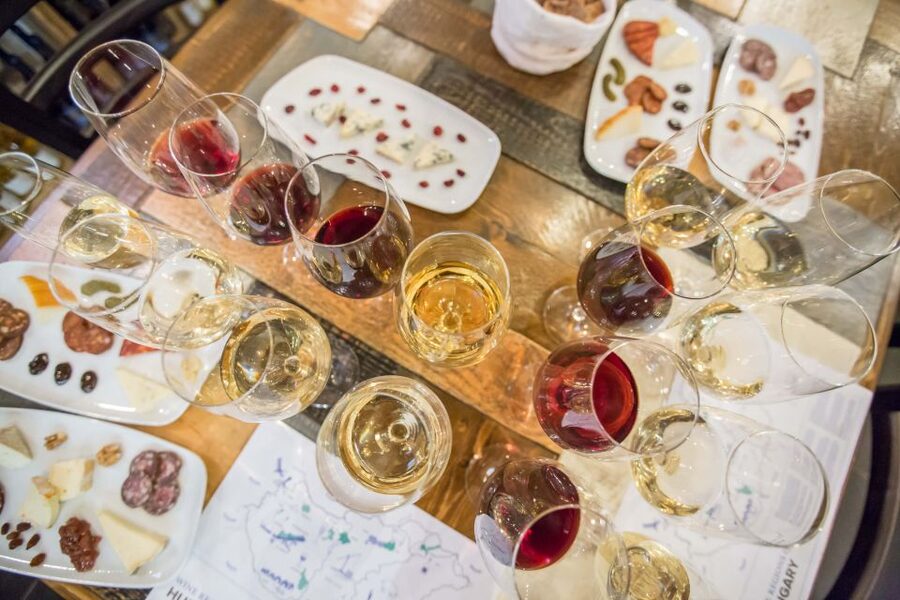
The food is not just a garnish beside the glasses. You receive Hungarian flavors such as cheese, charcuterie, bread, and related accompaniments. Several sessions have included generous cheese and meat boards, and one description specifically noted bread, pumpkin seed oil, and chutney.
That matters because food changes how wine feels. A cheese can soften a sharp white. Charcuterie can make a red seem rounder. Bread and savory accompaniments also keep the evening from becoming eight isolated drinks. You taste the wine in a more normal eating context, which is closer to how you will enjoy it at home or in a Budapest restaurant.
The amount of food seems generous enough for a substantial snack and, for some people, a light dinner. I would not assume it replaces a full meal for everyone. One person wanted more food with the wines, while others found the boards abundant enough to serve as dinner. If you usually eat early or need a proper meal, have a plan for afterward.
The pairings also give you a break between wines. That is welcome during a two-hour session, especially with generous pours. Eat steadily, drink the mineral water provided, and pace yourself. This is a tasting class, but the portions may feel closer to small glasses than tiny samples.
A few more Budapest trips to weigh up
- Budapest: Unlimited Prosecco, Beer and Aperol Spritz Cruise
★ 4.8 · 25,310 reviews - Budapest: Unlimited Prosecco, Beer & Aperol Spritz Cruise
★ 4.5 · 3,371 reviews - From Budapest: Etyek Wine Tasting Tour with 3-Course Meal
★ 4.8 · 557 reviews - Hungarian Wine Tasting (with Cheese and Charcuterie) in Budapest
★ 5.0 · 531 reviews
How much wine do you really drink?
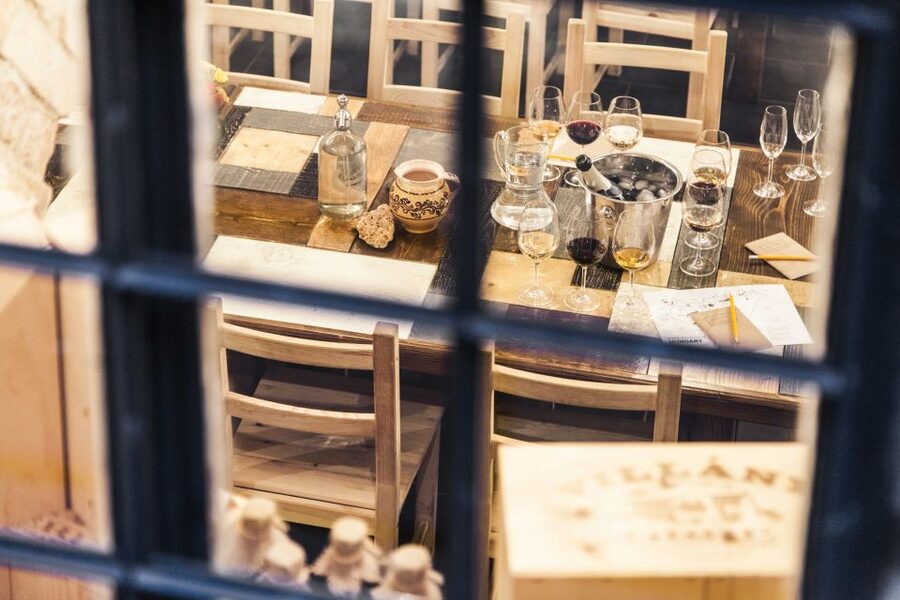
The advertised number is eight wines, and the portions have been described as generous. That is excellent for value and poor for anyone who treats the word tasting as a promise of miniature sips.
You may taste sparkling, white, rosé, red, and sweet wine in one sitting. Many people will enjoy trying everything, but you should not plan to drive afterward. The legal drinking age in Hungary is 18, and anyone aged 18 or older may participate.
The staff provides mineral water, which helps. Still, water is not a substitute for food or sensible pacing. If you are sensitive to alcohol, ask questions, take your time, and do not feel pressure to finish every pour. The class is about learning what you like, not proving that you can empty every glass.
The final Tokaj aszú is a fitting finish. This sweet wine, made from botrytised grapes, gives you a clear example of the style that has helped put Hungary on the international wine map. Even if you prefer dry wines, it is worth tasting the contrast.
Price and value at $65 per person
At $65 per person, this is not the cheapest drinking activity in Budapest. But it is good value if you want more than a flight of anonymous samples.
The price includes:
- A two-hour sommelier-led class
- Eight Hungarian wines
- Mineral water
- Hungarian cheese, meat, and other food pairings
- Tasting sheets
- A map of the Hungarian wine regions
Buying eight separate glasses in central Budapest could easily approach the same cost, and you would not receive the regional explanation or the structured progression. The direct connection with smaller producers adds another useful layer, especially if you want to buy a bottle later.
The shop may also offer bottles for purchase, and one past session included a discount on wines tasted that evening. Treat that as something to confirm at the venue, since buying terms can change. If you find a bottle you love, write down its name before the alcohol and conversation blur your notes.
For a couple, the total cost is $130. That is a meaningful part of a Budapest evening budget, but it covers entertainment, food, and education in one stop. I would choose it over a generic bar crawl if Hungarian wine is new to you.
Getting there and fitting it into your itinerary
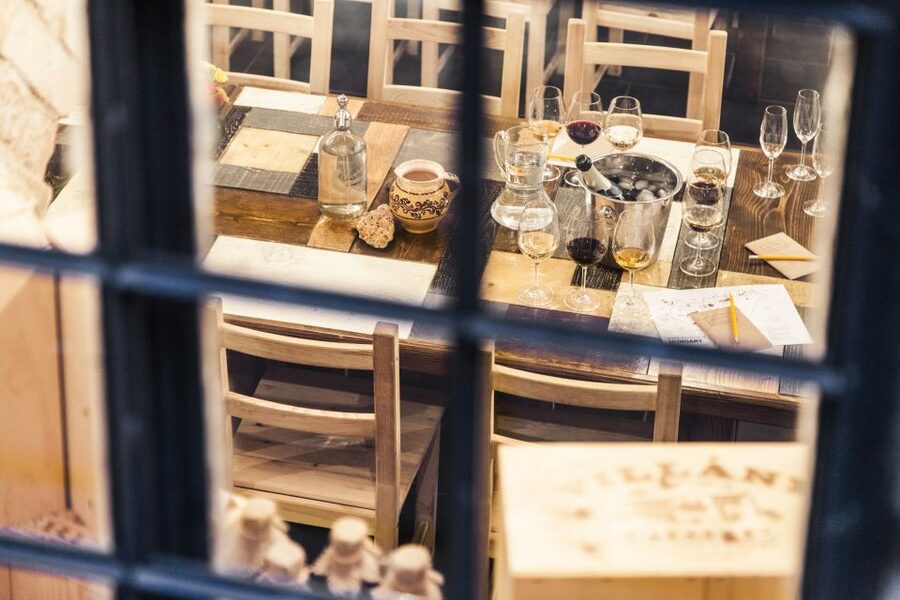
The address is The Tasting Table Budapest, Bródy Sándor utca 9, 1088 Budapest, in District VIII. It is close to the National Museum and accessible from Astoria on metro line M2 or Kálvin tér on metro line M3. Trams 47 and 49 also stop at Astoria and Kálvin tér.
Most evenings run from 6:00 PM to 8:00 PM. That timing works well after sightseeing and before a late meal, though the food pairings may be enough for you to keep the evening simple. Leave a little time to find the shop and settle in. Confirmation is provided at booking.
A useful plan is to place the class on an evening when you do not have a demanding early start the next morning. Some sessions may finish close to the scheduled time, while an enthusiastic group can stay longer in conversation. The location is central enough that you can continue with a drink afterward, but you may prefer a quiet walk after eight glasses.
The minimum booking requirement is two people. A session can be canceled after confirmation if too few people are booked, in which case you are offered an alternative or a full refund. You can cancel up to 24 hours ahead for a full refund, and the reserve-now, pay-later option keeps your plans more flexible.
Who will enjoy this class most
I would recommend it most strongly to:
- Wine drinkers who know little about Hungary
- Couples seeking an easy evening activity
- Solo visitors who like social tables
- People who enjoy local food with their drinks
- Visitors deciding which Hungarian bottles to buy
- Curious beginners who do not want a formal or intimidating class
You do not need a wide wine vocabulary. The guides are there to explain the basics and give each bottle a place in the larger story. At the same time, the range should keep experienced drinkers interested, since the class includes less familiar grapes and producers.
This is less suitable for anyone who dislikes group conversation, wants a private tasting, or prefers a very small amount of alcohol. It may also disappoint you if you expect a full meal, a fixed list of famous labels, or a winery visit outside Budapest. This is a city tasting room experience, not a countryside vineyard tour.
Small practical tips for a better evening
Arrive ready to take notes. The tasting sheet and regional map are included, and they become more useful if you record the wines you prefer as you go.
Eat something beforehand if you tend to feel alcohol quickly, but do not arrive overly full. The cheeses, meats, bread, pumpkin seed oil, and other accompaniments are there to help you taste, not merely to decorate the table.
Sit close enough to hear the guide. The class is social, and people may talk while tasting. If you want the fullest explanation, choose a seat near the front or ask the host to repeat anything you miss.
Ask about bottles you can buy afterward. The shop is a natural place to continue your Hungarian wine education, and some visitors have returned to purchase wines they tasted. Keep your notes, especially for grapes or regions you have never encountered before.
Do not schedule a long restaurant meal immediately afterward unless you are comfortable eating late. The food portions can be generous, and the class may run beyond two hours when conversation is flowing.
Should you book the Hungarian wine tasting class?
Book it if you want a friendly, efficient introduction to a wine country that many visitors barely explore. The combination of eight wines, local food, a central cellar setting, and an English-speaking sommelier gives you a lot for $65.
I especially like it as one of the first evenings in Budapest. You get a regional map in your head, discover which grapes suit you, and gain confidence ordering Hungarian wine for the rest of your trip. The main drawbacks are the generous alcohol portions, possible background noise, and the fact that the amount of information depends on your guide.
If you prefer a private experience or a countryside vineyard, choose something else. For an easygoing city evening with good food, plenty of wine, and practical context, this is a smart booking.
FAQ
Where does the Hungarian wine tasting take place?
It takes place at The Tasting Table Budapest, Bródy Sándor utca 9, 1088 Budapest, in District VIII.
How long does the tasting last?
The scheduled duration is two hours. Most evening sessions run from 6:00 PM to 8:00 PM, though the evening may continue longer if conversation carries on.
How many wines are included?
Eight Hungarian wines are included in the tasting.
What kinds of wine will I taste?
The selection begins with an aperitif and may include sparkling wine, whites, reds, and rosé. It ends with a sweet botrytised Tokaj aszú wine.
Is food included?
Yes. Food pairings include local Hungarian flavors, with cheese, charcuterie, meats, bread, and other accompaniments provided during the tasting.
Is mineral water included?
Yes. Mineral water is included with the wine and food.
Is the tasting held in English?
Yes. The host or greeter and the tasting are in English.
How old must I be to participate?
The legal drinking age in Hungary is 18, so participants must be at least 18 years old.
How much does the tasting cost?
The listed price is $65 per person.
Can I cancel the booking?
Yes. You can cancel up to 24 hours in advance for a full refund.
Do I have to pay when I book?
No. A reserve-now, pay-later option is available.
Is there a minimum number of participants?
Yes. A minimum of two participants applies. If too few people are booked, the session may be canceled after confirmation, with an alternative or full refund offered.
More Workshops in Budapest
- Budapest: Hungarian Chimney Cake Workshop in the City Center
★ 4.8 · 885 reviews - Budapest Cooking Class & Market Tour with Local Guide & Wines
★ 5.0 · 553 reviews - Chimney Cake Workshop Budapest Downtown – Kürtőskalács Class
★ 5.0 · 220 reviews - Budapest: Hungarian Cooking Class and Market Walk
★ 5.0 · 91 reviews
Just added around Budapest
- From Budapest: Guided Tour of Eger with Wine Tasting★ 4.5 · 6 reviews
- Budapest: Private Walking Tour with a Local Guide★ 3.6 · 6 reviews
- Budapest: Danube River Views Bike Ride★ 4.8 · 23 reviews
- Trash Art Museum: Hungary’s First Scrap Metal Exhibition★ 4.3 · 72 reviews
- Walk to recent and aged spiritual sanctuaries near Budapest★ 5.0 · 5 reviews
- Budapest: 3-Hour Trabant Sightseeing Tour★ 4.7 · 28 reviews
- True Crime Walking Tour in the Buda Castle district★ 5.0 · 26 reviews
- Audio visual multi-sensory chefs journey dinner experience★ 5.0 · 3 reviews
Wine Tours, compared.
Premium Sightseeing Cruise with Tokaj Frizzante
Read our review →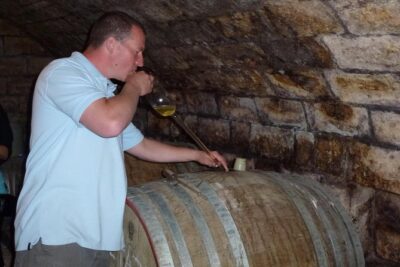
Countryside Half-day Gastro-Wine Tour from Budapest Meal & pickup
Read our review →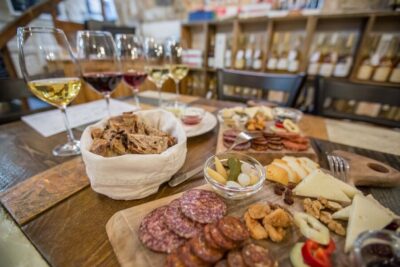
Budapest Cooking Class & Market Tour with Local Guide & Wines
Read our review →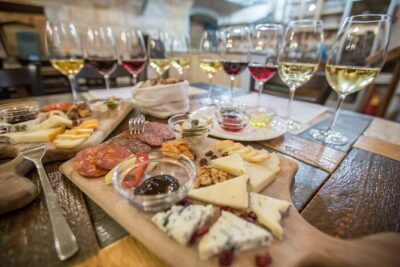
Hungarian Wine Tasting (with Cheese and Charcuterie) in Budapest
Read our review →
Budapest River Cruise with 1 Free Tokaj Frizzante and Audio Guide
Read our review →
Budapest Food Tour: Market to Tavern with 14+ Tasters & Wines
Read our review →Browse the lists this tour appears in