
Reviewed · CITY TOURS
Budapest: Guided City Walking Tour in Buda and Pest
Budapest makes you work a little for the full picture. Pest is flat, grand, and full of late 19th-century palaces, while Buda rises across the river with churches, old government buildings, and castle views. This tour links both sides in three hours, using a short public transport ride to save your feet.
I like the Pest-to-Buda route, which gives you a useful first look at the city’s two very different halves. I also like the practical finish: Gábor Glasner provides a digital restaurant guide and the Budapest Sparfuchs, with tips aimed at helping you spend less.
The main consideration is simple: this is a German-language tour, and three hours is a brisk amount of time for so many major sights. You will see the exteriors and city spaces, but this is not an inside tour of Parliament, Matthias Church, or the Royal Castle.
In This Review
- Key points at a glance
- Starting at St Stephen’s Basilica
- Walking Pest’s grand late 19th-century centre
- Freedom Square and Budapest’s changing public spaces
- Reaching Parliament and the Danube
- Crossing to Buda by public transport
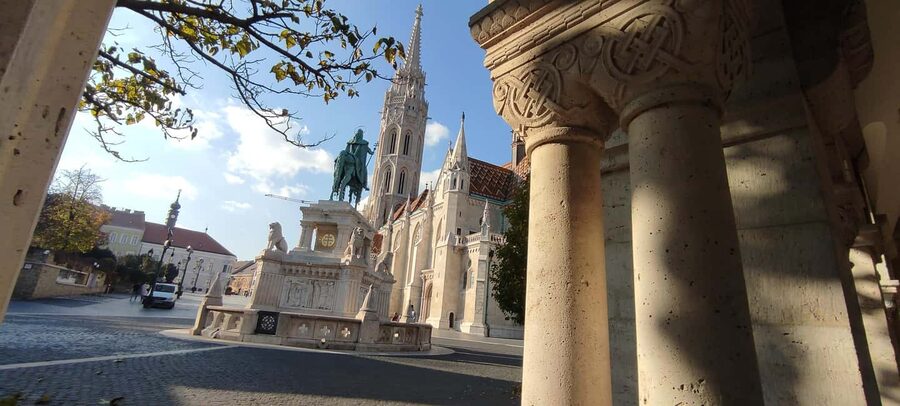
- Matthias Church and Fisherman’s Bastion
- Through the old government district
- Finishing around the Royal Castle
- The digital guides and the real value of $34
- Who will get the most from this tour
- Should you book this Budapest walking tour?
- FAQ
- How long does the tour last?
- What language is the tour conducted in?
- Who guides the tour?
- Where does the tour start?
- How will I identify the guide?
- Where does the tour end?
- What sights are included?
- Does the tour include a visit inside Parliament?
- What is included with the tour?
- What should I bring?
Key points at a glance
- Start beside St Stephen’s Basilica: Meet Gábor at the entrance of the California Coffee Company on Szent István tér, across from the basilica.
- See Pest’s grand civic buildings: Walk past Art Nouveau palaces, the National Bank, the Postal Savings Bank, and Freedom Square.
- Pause for Parliament views: Reach the Danube for a photo of one of Budapest’s most famous buildings.
- Use public transport between city halves: A short ride connects the Pest walk with the Buda Castle district.
- Explore Buda’s best-known sights: Visit Matthias Church, Fisherman’s Bastion, the former government district, and the Royal Castle area.
- Take home useful city advice: Receive digital restaurant recommendations and the Budapest Sparfuchs money-saving guide.
Starting at St Stephen’s Basilica
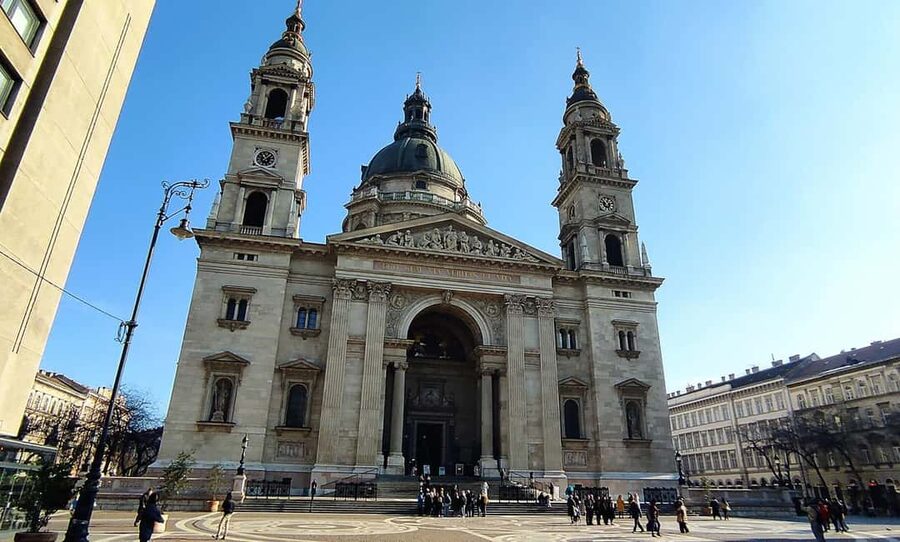
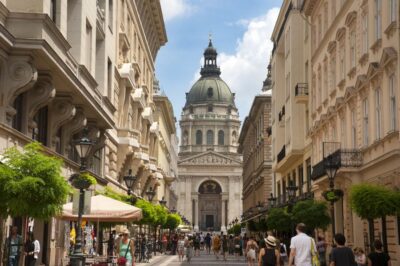
Your meeting point is easy to identify: Szent István tér, at the entrance of the California Coffee Company, across from St Stephen’s Basilica. Look for Gábor’s badge marked Budapest mit Gabor.
The basilica is a fitting place to begin. It puts you right in central Pest, surrounded by a large square and some of the city’s best-known architecture. You should arrive ready to walk, since the first part moves through the city centre rather than settling in one spot.
This starting point also works well for your first day in Budapest. You get an early sense of the city’s scale and layout before crossing the Danube to Buda. The tour ends back at the meeting point, according to the activity details, so you can use the area as a convenient base for the rest of your day.
The tour is guided in German. That is not a minor detail. Gábor’s explanations and anecdotes are the heart of the experience, so you should be comfortable following a German-speaking guide for the full three hours.
A few more Budapest trips to weigh up
- Budapest: Buda Castle Walk with Saint Stephen’s Hall
★ 4.5 · 3,012 reviews - Big Bus Budapest Hop-On Hop-Off Bus and Walking Tour
★ 3.5 · 2,206 reviews - Budapest: Buda Castle District Walking Tour
★ 4.6 · 2,108 reviews
Walking Pest’s grand late 19th-century centre
From the basilica, the route leads through central Pest. The focus here is not only on famous landmarks but also on the large collection of palaces and public buildings that give this part of town its formal look.
You pass the National Bank, the Postal Savings Bank, and several Art Nouveau palaces. These buildings help explain the ambition of Budapest at the end of the 19th century, when the city was filling its centre with ornate institutions, offices, and residences.
I like this part of the route because it gives you more than a checklist of postcard sights. The National Bank and Postal Savings Bank are less obvious stops than the basilica or Parliament, but they help you notice the architectural details around you. Gábor also adds anecdotes and information beyond the standard tourist script, according to the tour description.
Keep your eyes up during this section. The value is in the façades, decorative details, and the contrast between buildings designed for public power and those built for private life. You are walking through a working city centre, not a museum district.
The pace will likely feel purposeful. The tour has to cover Pest, Parliament, and Buda in half a day, so you should not expect long pauses at every building. If you enjoy stopping for detailed photographs, you may need to choose your moments carefully.
Freedom Square and Budapest’s changing public spaces
The walk continues to Freedom Square, one of the city centre’s important open spaces. Here, the tour shifts from architecture to the public and political character of Budapest.
Freedom Square makes sense as a stop because it connects the polished central streets with the larger story of Hungary’s modern civic life. Gábor’s role is especially useful here, since the square can mean more when someone explains the events and decisions connected with it.
The activity promises information away from the usual tourist material. One German-language review praised the way Gábor shared details beyond the standard tourist route, which is a strong reason to choose this tour over a simple sightseeing walk.
You should think of Freedom Square as a place for context rather than a single must-see object. It is part of the city’s story, and the guide’s explanation is likely to be more important than the time spent taking pictures.
Reaching Parliament and the Danube
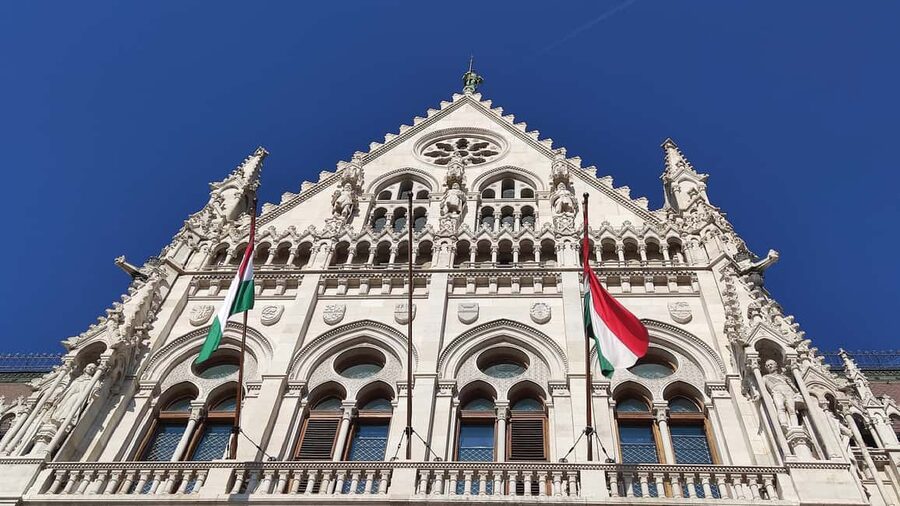
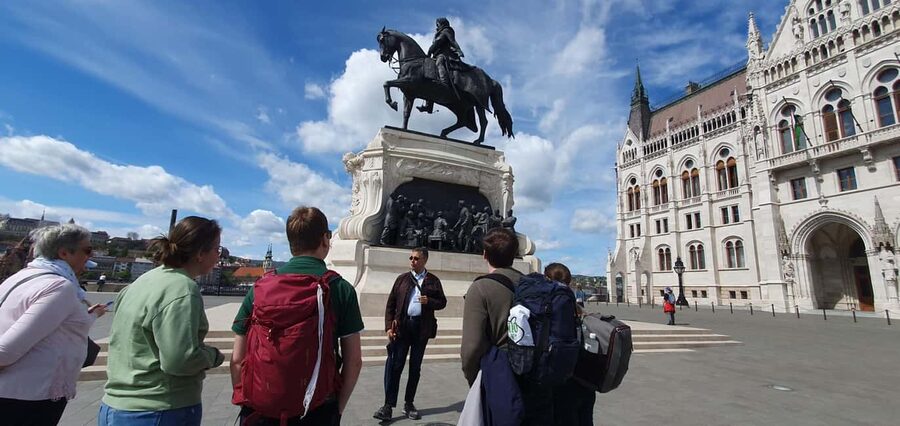
After Freedom Square, you walk toward the Parliament building and the Danube. This is one of the tour’s clearest photo moments.
The Parliament building is among Budapest’s most recognizable sights, and seeing it from the riverfront gives you the classic city view. You should have your camera ready here, but keep in mind that the tour provides a picture stop rather than a guided visit inside Parliament.
That distinction matters. The activity does not include an interior tour or entry ticket. If you want to see the inside, you will need to arrange that separately, along with any required booking or admission.
The Danube also gives you a quick sense of why Pest and Buda feel so different. The river is not just a scenic line through the city. It separates the flat centre from the castle hill and gives you a clear visual frame for the next part of the tour.
Same riverbank, a completely different kind of day:
- Budapest: Unlimited Prosecco, Beer and Aperol Spritz Cruise
★ 4.8 · 25,310 reviews - Budapest: Széchenyi Spa Day Ticket with Optional Upgrades
★ 4.3 · 23,911 reviews - Budapest: Nighttime or Daytime Sightseeing Cruise
★ 4.2 · 21,062 reviews - Budapest: 1-Hour Evening Sightseeing Cruise with Drink
★ 4.5 · 8,330 reviews
Crossing to Buda by public transport
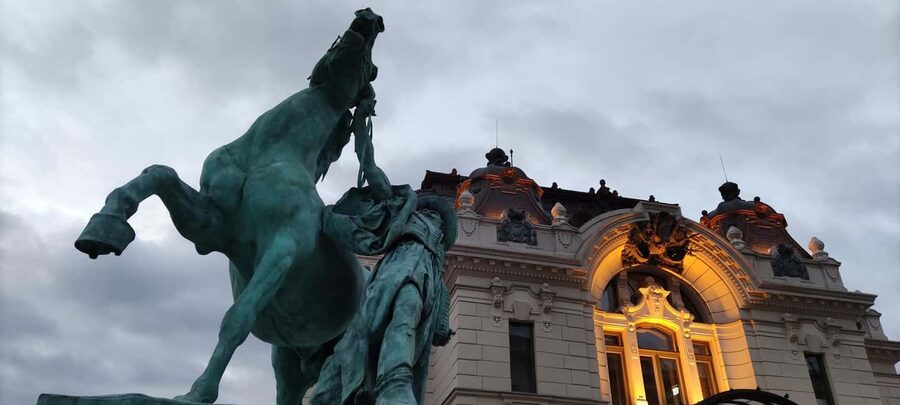
After the Pest portion, you take a short journey by public transport to continue in Buda. The specific vehicle and ticket arrangements are not provided, so you should treat this as part of the route rather than assume that a transport ticket is included in the $34 price.
This transfer is a practical choice. Walking from central Pest to every stop in the Buda Castle district would take more time and energy, leaving less room for explanation. The public transport connection lets the tour cover both sides of Budapest without turning the whole experience into a long-distance hike.
Still, you should wear comfortable shoes. The tour covers several hours on foot, and Buda Castle district includes sloping streets and uphill areas. Bring water, dress comfortably, and allow the guide to set the pace.
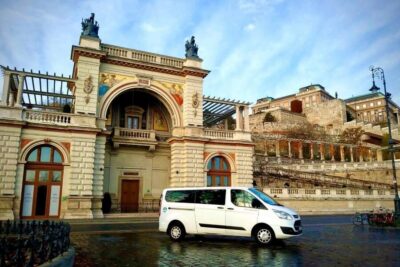
The move between the two halves also gives the tour a useful rhythm. Pest shows you the grand civic centre. Buda then feels older and more elevated, with church towers, defensive-looking walls, and broad views across the river.
Matthias Church and Fisherman’s Bastion
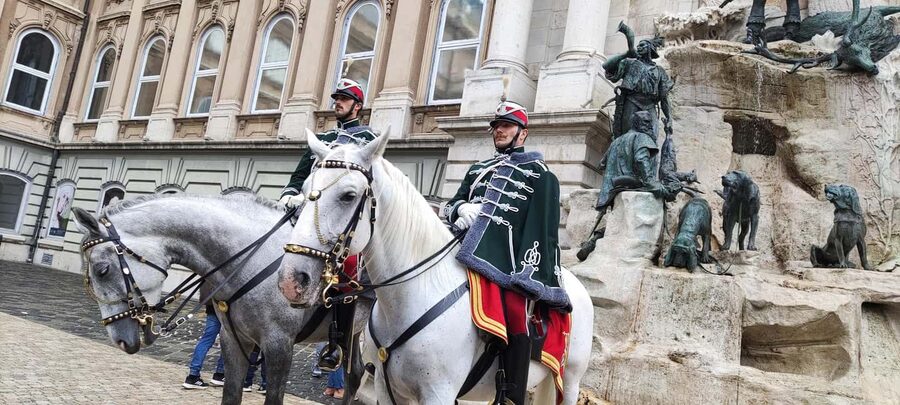
The Buda section begins with Matthias Church and Fisherman’s Bastion. These are two of the most famous sights in the Castle district, and they are close enough to make a natural pair on a walking tour.
Matthias Church is known for its distinctive roof and strong presence in the old square. The tour lets you see it as part of the historic district, though no interior admission is listed. You should not assume that the walking tour includes a full church visit or a dedicated inside commentary.
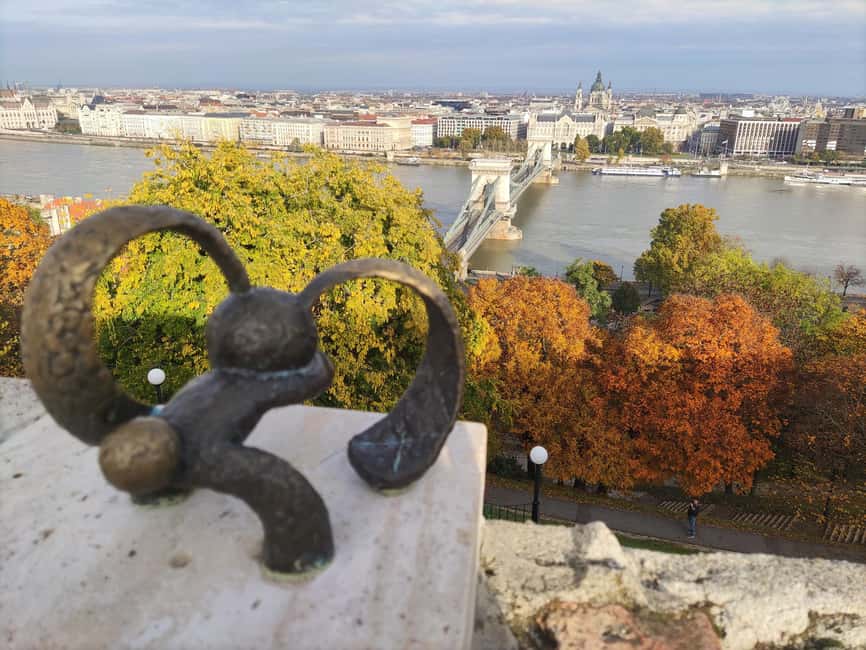
Fisherman’s Bastion provides some of the best-known views over Pest and the Danube. It is also one of the places where a camera earns its place in your bag. The white stone terraces and open outlook make this a rewarding stop even if you already know the view from photographs.
The timing here matters. With only three hours for both districts, the guide will likely keep the group moving between major points. You will get orientation, background, and photo opportunities, but not unlimited time to explore every terrace or linger inside the church.
If you like practical sightseeing, this combination works well. Matthias Church gives you architecture and religious history, while Fisherman’s Bastion gives you the wide city view that helps you understand Budapest’s layout.
Through the old government district
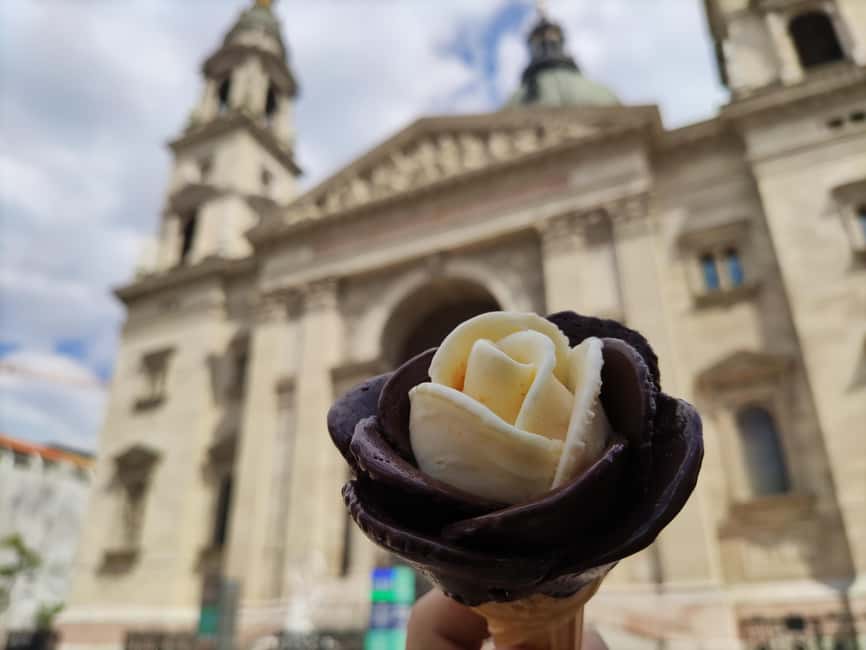
The route continues through the historic centre toward the former government district. This section is less about one famous monument and more about how Buda functioned as a centre of power.
That makes it a good counterpoint to the tourist-heavy parts of the Castle district. Instead of moving only between headline sights, you get a look at the streets and buildings connected with administration and government.
Gábor’s personal approach seems particularly useful here. A German-language review described the tour as a personal presentation of Budapest, with tips and practical information worth writing down. That suggests you should bring a phone or small notebook if you like collecting restaurant names, neighborhood advice, and local shortcuts.
The route is also a reminder that the Castle district is not just a photo backdrop. Its streets carry the remains of several layers of Budapest’s past. You will see the setting where official life took place, not only the spots designed for sightseeing.
Finishing around the Royal Castle
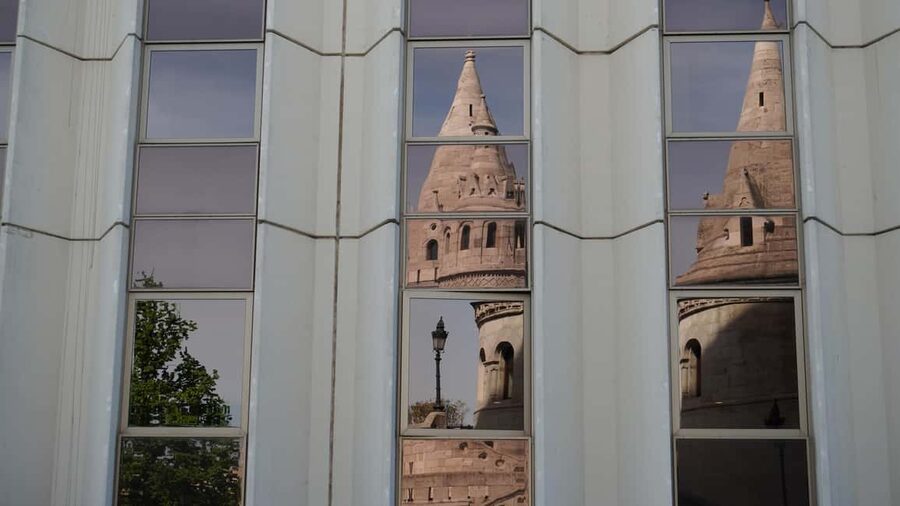
The final main stop is a walk around Budapest’s old Royal Castle. The castle area gives the tour a strong ending because it brings together the city’s royal, civic, and scenic sides.
Again, the activity describes a tour around the old Royal Castle, not an interior museum visit. Entry to castle museums or exhibitions is not listed among the included features. You will explore the surrounding historic area with the guide and get the larger picture of how the district fits into Budapest.
The end of the route gives you a chance to compare Buda with the Pest centre you saw earlier. Pest is organized around broad streets, banks, palaces, and public squares. Buda offers older streets, elevated viewpoints, churches, and the castle complex.
The stated end point is back at the original meeting point. Since the Buda portion is followed by a return across the city, listen for the guide’s instructions about the group’s movement and meeting arrangements. The supplied details do not specify exactly how the return trip is made.
The digital guides and the real value of $34
At $34 per person, the tour is priced as a low-cost guided introduction rather than a full admission package. You are paying for three hours with a live German-speaking guide, a route covering both Pest and Buda, and two digital resources.
The restaurant guide includes dozens of restaurants, cafés, street-food spots, and bars. That can be worth more than a generic list because food choices are one of the easiest ways to lose money or time in a first visit to Budapest. You receive the guide digitally, so you can keep it on your phone during the rest of your stay.
The Budapest Sparfuchs is aimed at saving money. The description says its advice could help you save hundreds of euros in Budapest. I would treat that as an ambitious claim rather than a promise, but practical spending tips can still add value if you use them for meals, drinks, transport, and other daily choices.
The strongest value is the combination of orientation and usable advice. A standard sightseeing walk may end when the guide says goodbye. Here, the restaurant information and money-saving guide can continue helping you after the tour.
The tour does not include listed entry tickets, and the public transport details are not specified. If you want interiors or museum visits, budget separately. At this price, that is fair, as long as you understand that the experience focuses on walking, explanation, views, and city orientation.
Who will get the most from this tour
This tour suits you best if you want to see the main shape of Budapest quickly and prefer a guide who adds local tips along the way. It is especially useful early in a stay, when you still need help understanding how Pest, the Danube, and Buda fit together.
It also suits German-speaking visitors who value history, architecture, and personal anecdotes more than a large commercial group. One booking became a private tour because only two people had reserved it at that time. That kind of small-group experience cannot be guaranteed, but it shows how the tour may feel when numbers are low.
You may also like it if restaurant advice matters to you. The digital Insider Budapest Restaurantguide gives you more than a single meal recommendation, with suggestions covering restaurants, cafés, street food, and bars.
This is less suitable if you want a slow photography walk, a full interior tour, or a multilingual experience. It is also not the right choice if you do not understand German, since the live commentary is provided in German only.
Bring comfortable shoes, water, a camera, and comfortable clothing. You do not need special equipment, but you do need to be ready for several hours of city walking and a public transport connection between the two main districts.
Should you book this Budapest walking tour?
Book it if you want a fast, sensible introduction to both halves of Budapest, and you can follow German comfortably. The route covers St Stephen’s Basilica, Pest’s Art Nouveau buildings, Freedom Square, Parliament, the Danube, Matthias Church, Fisherman’s Bastion, the former government district, and the Royal Castle area.
The best reason to choose it is Gábor’s local perspective. The tour is designed to add less obvious details, practical tips, and restaurant advice instead of stopping only at the most photographed buildings.
Skip it if you need Parliament or Matthias Church interiors, a very slow pace, or commentary in English. For everyone else, $34 is a reasonable price for a three-hour overview that helps you get your bearings and make smarter choices for the rest of your Budapest stay.
FAQ
How long does the tour last?
The tour lasts three hours.
What language is the tour conducted in?
The live tour is conducted in German.
Who guides the tour?
The guide is Gábor Glasner.
Where does the tour start?
Meet at Szent István tér, at the entrance of the California Coffee Company across from St Stephen’s Basilica.
How will I identify the guide?
Gábor has a badge with the text Budapest mit Gabor.
Where does the tour end?
The activity details state that the tour ends back at the original meeting point.
What sights are included?
The route includes St Stephen’s Basilica, central Pest, Art Nouveau palaces, the National Bank, the Postal Savings Bank, Freedom Square, Parliament views, the Danube, Matthias Church, Fisherman’s Bastion, the former government district, and the old Royal Castle area.
Does the tour include a visit inside Parliament?
No interior Parliament visit or admission is listed.
What is included with the tour?
The tour includes a German-speaking guide, a digital Insider Budapest Restaurantguide, and the digital Budapest Sparfuchs guide.
What should I bring?
Bring comfortable shoes, a camera, water, and comfortable clothing.
Just added around Budapest
- From Budapest: Guided Tour of Eger with Wine Tasting★ 4.5 · 6 reviews
- Budapest: Private Walking Tour with a Local Guide★ 3.6 · 6 reviews
- Budapest: Danube River Views Bike Ride★ 4.8 · 23 reviews
- Trash Art Museum: Hungary’s First Scrap Metal Exhibition★ 4.3 · 72 reviews
- Walk to recent and aged spiritual sanctuaries near Budapest★ 5.0 · 5 reviews
- Budapest: 3-Hour Trabant Sightseeing Tour★ 4.7 · 28 reviews
- True Crime Walking Tour in the Buda Castle district★ 5.0 · 26 reviews
- Audio visual multi-sensory chefs journey dinner experience★ 5.0 · 3 reviews
City Tours, compared.
City Sightseeing Hop-On Hop-Off Bus Tour & Extras
Read our review →
Budapest City Landmarks Walking Tour in 2 Hours
Read our review →

Hungarian Chimney Cake Workshop in the City Center
Read our review →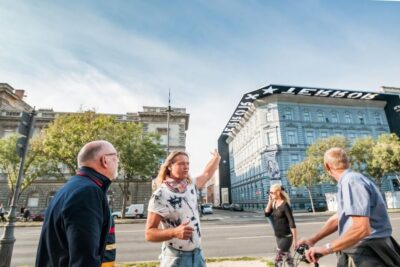

Browse the lists this tour appears in