

Reviewed · WALKING TOURS
Budapest: Guided Walking Tour of Pest
Budapest’s Pest side makes sense on foot, and this two-hour walk links its grandest buildings with smaller corners that tour buses cannot reach. You’ll see St. Stephen’s Basilica, the Danube Bank, Chain Bridge, Parliament, Liberty Square, and a street market while your guide explains how the city took shape.
I like the price, just $16 per person, and I like the guides’ personal touch. Monica has been praised for historical detail and restaurant suggestions, while Lena and Lina have earned warm marks for their humor and care. The catch is important: most buildings are passed from outside, so this is an orientation walk rather than an interior tour.
In This Review
- Key points at a glance
- Starting at Molnár’s Kürtőskalács
- Why a Pest walking tour works well
- St. Stephen’s Basilica and the opening city story
- Chain Bridge and the Danube Bank
- Parliament and the limits of an outside view
- Liberty Square, Art Nouveau, and street-level details
- What the guides add to the walk
- Is $16 a good value?
- Who should book this walk?
- Practical details before you reserve
- Should you book the Pest walking tour?
- FAQ
- Where does the Budapest Pest walking tour meet?
- How long does the tour last?
- What language is the tour conducted in?
- Which major sights are included?
- Can I enter Parliament or St. Stephen’s Basilica during the tour?
- Is hotel pickup included?
- Does the tour run in bad weather?
- How much does the walking tour cost?
- Can I cancel for a full refund?
Key points at a glance

- St. Stephen’s Basilica: See Budapest’s largest cathedral and learn why it matters to the city.
- Chain Bridge and the Danube Bank: Walk beside two of Pest’s best-known waterfront sights.
- Parliament from the outside: View one of the world’s largest parliament buildings, but do not expect an indoor visit.
- Liberty Square: Hear about a central public space with political and historical importance.
- Street-level Budapest: Reach alleyways, Art Nouveau details, and a market that buses usually skip.
- Flexible planning: The tour lasts two hours, runs in rain or shine, and allows free cancellation up to 24 hours before departure.
Starting at Molnár’s Kürtőskalács
The meeting point is Molnár’s Kürtőskalács, a practical place to begin in central Budapest. It is also a useful chance to arrive early, get your bearings, and perhaps see the chimney-cake style pastry associated with Hungarian street food.
You should arrive ready to walk for two hours. The tour takes place rain or shine, so check the forecast and bring suitable shoes, a rain layer, or sun protection as needed. No hotel pickup or drop-off is included, so you make your own way to the starting point.
The guide leads in English. That matters because the value of this outing comes less from a ticketed attraction and more from the stories attached to the streets, buildings, and public spaces around you.
A few more Budapest trips to weigh up
- Budapest: Buda Castle Walk with Saint Stephen’s Hall
★ 4.5 · 3,012 reviews - Big Bus Budapest Hop-On Hop-Off Bus and Walking Tour
★ 3.5 · 2,206 reviews - Budapest: Buda Castle District Walking Tour
★ 4.6 · 2,108 reviews
Why a Pest walking tour works well
Budapest is often described through its two historic halves: hilly Buda and flatter Pest. This experience concentrates on Pest, where broad avenues, grand civic buildings, riverfront views, and 19th-century architecture create a strong first introduction to the city.
I like this approach for a first morning or afternoon in Budapest. You get a map in your head without spending much money, and you can decide which places deserve a longer return visit. The route also helps you understand directions between major sights, something that is harder to grasp when you move only by bus or taxi.
The walk is designed to get you away from crowded vehicles and into the details of the city. You may pass through smaller lanes and see architectural features that are easy to miss from a road. That is the real purpose of the tour: not a long stop at each monument, but a guided introduction to how Pest fits together.
Still, keep your expectations in check. This is not a museum tour, a Parliament interior visit, or a basilica admission. If you want detailed architectural study or extended time inside each landmark, you will need separate visits.
St. Stephen’s Basilica and the opening city story

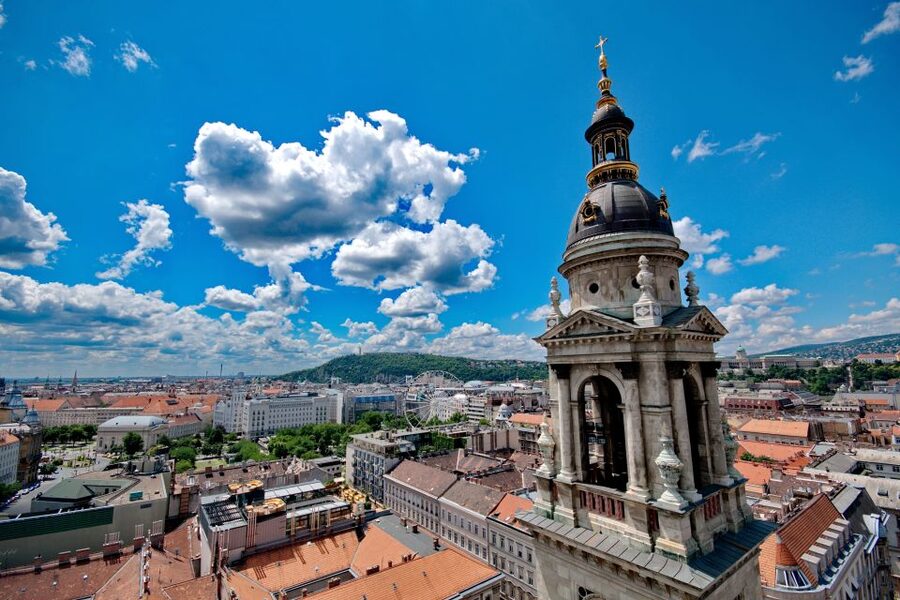
St. Stephen’s Basilica is one of the tour’s clearest visual anchors. It is Budapest’s largest cathedral, and its scale gives the guide a natural way to talk about religion, national identity, and the city’s development.
You will see the basilica as part of the walking route, but entrance is not included. The stated experience focuses on the exterior and the surrounding streets, so plan a separate visit if you want to go inside.
This first major stop should appeal to anyone who enjoys architecture. Look up at the proportions, stonework, and formal city planning around the building rather than rushing straight to a photograph. A good guide can turn a grand facade into a story about the people and events connected with it.
The guide quality matters especially here. Monica has been praised for combining historical facts with clear explanations, while Lena has been described as passionate and engaging. Lina has also been singled out for her kindness and willingness to answer questions. Guide assignments can change, but these comments point to the human side of the tour: the best version feels like a conversation, not a recorded lecture.
Chain Bridge and the Danube Bank
From the central streets, the route continues toward Chain Bridge and the Danube Bank. Chain Bridge is Budapest’s oldest suspension bridge and one of the city’s most recognizable structures.
The bridge is more than a photo stop. It helps explain the connection between Buda and Pest, the two sides of the capital separated by the Danube. From the riverfront, you can also begin to see how the city’s major buildings relate to the water.
The Danube Bank gives you a change of pace. After streets lined with buildings, the open riverfront offers room to pause and look across the water. The tour description promises a walk past the river rather than a boat ride, and no cruise is included.
Bring a camera, but listen for the story before moving on. The guide can point out what lies across the river and help you place the bridge within Budapest’s wider layout. This is one of the stops that makes the two-hour route useful: you are not only seeing a famous view, you are learning how to reach it again.
Same riverbank, a completely different kind of day:
- Budapest: Unlimited Prosecco, Beer and Aperol Spritz Cruise
★ 4.8 · 25,310 reviews - Budapest: Széchenyi Spa Day Ticket with Optional Upgrades
★ 4.3 · 23,911 reviews - Budapest: Nighttime or Daytime Sightseeing Cruise
★ 4.2 · 21,062 reviews - Budapest: 1-Hour Evening Sightseeing Cruise with Drink
★ 4.5 · 8,330 reviews
Parliament and the limits of an outside view

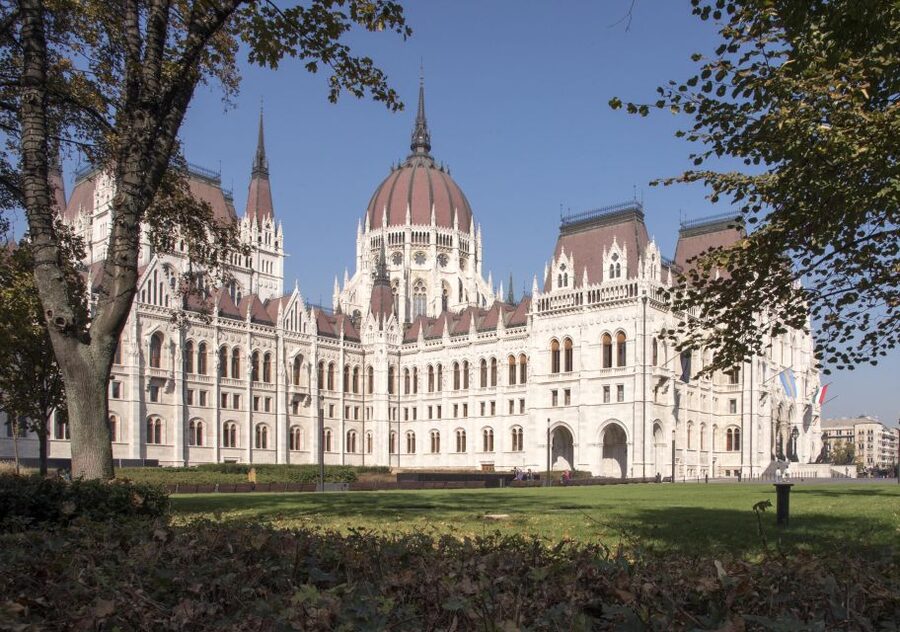
The Hungarian Parliament is among the route’s biggest sights and is described as the world’s third largest Parliament building. Its size and ornate exterior make it an obvious highlight.
You should understand the format before booking. The walk takes you past Parliament, but entrance fees are not included, and the available information does not promise an interior visit. You will get an outside view and historical explanation rather than a guided tour of the chambers.
That limitation is the main weakness for some people. One assessment of the walk found the later stops less satisfying because the group passed buildings without getting close or spending much time on detailed facts about Parliament and the Opera. If Parliament is your top priority, this tour may serve best as a preview, followed by a separate inside visit when available.
For everyone else, the building works well as part of a broad city introduction. You can appreciate its scale, location, and role in Budapest’s civic center without spending the whole afternoon on one attraction. The guide’s job here is to give you useful context and point you toward places worth exploring later.
Liberty Square, Art Nouveau, and street-level details
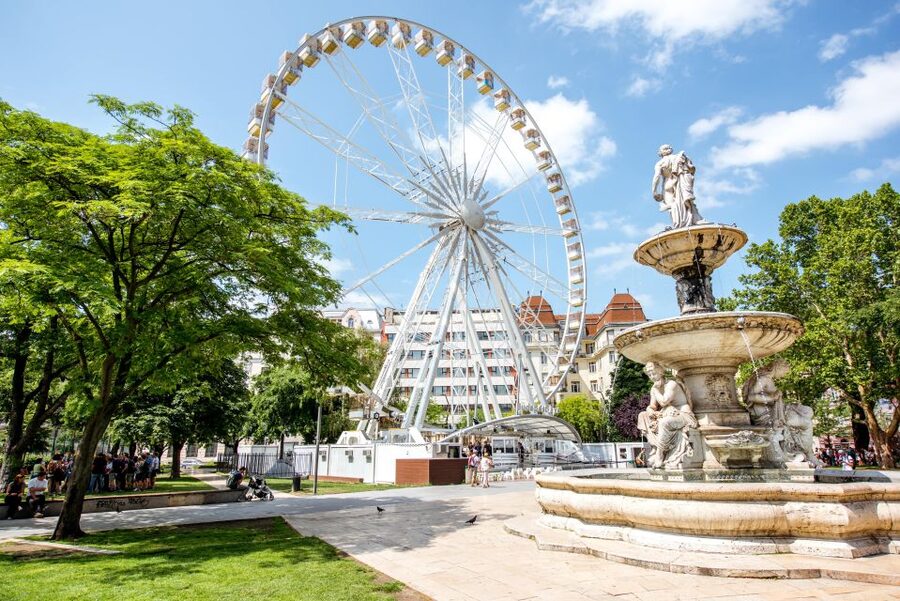
Liberty Square adds a different note to the itinerary. It is not simply another grand facade. The square gives the guide space to discuss public memory, politics, and the changing meaning of central Budapest.
The route also includes the House of Hungarian Art Nouveau. This is a good reminder that Pest is not made up only of monumental churches and government buildings. Architectural details from the 19th century and later periods reward anyone who takes time to look at windows, facades, entrances, and decorative lines.
A street market provides another break from formal architecture. The supplied details do not specify the market’s exact stalls or opening pattern, so you should treat it as a street-level stop rather than a guaranteed shopping event. Its value is the contrast: after major civic buildings, you see a more everyday side of the city.
I especially like this mix of famous and less obvious sights. It keeps the walk from becoming a simple parade of photo stops. At the same time, the experience remains introductory. You may get directions and background about several places, but not the full story of every building.
What the guides add to the walk
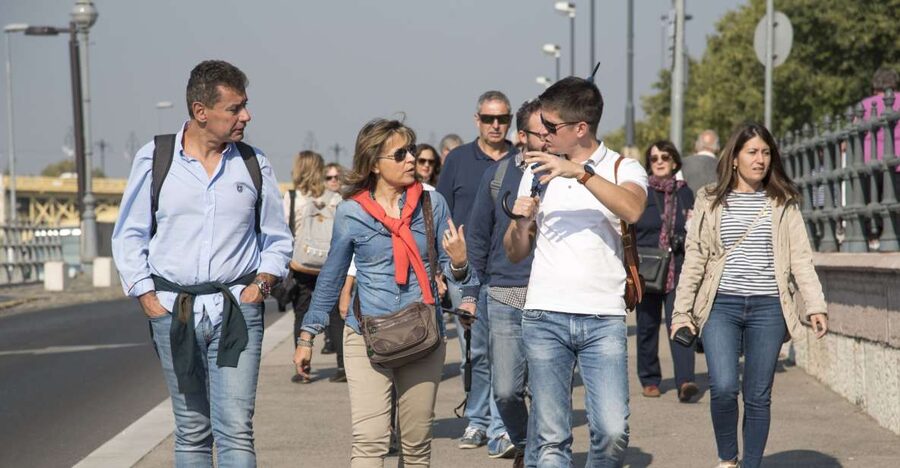
The strongest part of this experience is the guide. Several guides have received praise for making the material easy to follow, friendly, and occasionally funny.
Monica has been noted for a strong supply of historical facts and for recommending other sights and places to eat. That can be valuable early in a Budapest visit, when you still need help deciding where to spend the rest of your time.
Lena has been praised for passion, warmth, and an engaging manner. One assessment also noted that the group had enough time at each stop for photographs. Lina has been described as especially kind and ready to answer questions.
A guide also has a practical job in a city walk: keeping the group together. One recent comment specifically appreciated that the guide watched the group carefully. That matters around busy streets, crossings, and crowded central areas.
The feedback is not uniformly glowing. A four-star assessment found the opening portion more interesting than the later section and wanted closer access and more facts about major buildings. That is a fair warning. The quality of the outing depends heavily on how the guide balances movement, explanation, and photo time.
Is $16 a good value?

At $16, this is an inexpensive way to get two hours of live guidance in central Budapest. You are paying for a professional English-speaking guide, not for admissions, transportation, food, or hotel service.
I consider the price fair if you want orientation and basic historical context. A private guide would cost far more, while a self-guided walk requires planning and research. Here, you can ask questions, follow a set route, and hear stories as you move between landmarks.
The value drops if you expect extended time inside attractions. Since entrance fees are excluded and the focus is on passing major buildings, you may still spend extra money on the basilica, Parliament, museums, or other sites afterward.
The tour makes most sense as a first-day investment. It can save you from wandering without a plan and can help you choose where to return. If you already know Pest well, or prefer to stop for long periods at one building, the fixed route may feel too general.
Who should book this walk?
I would recommend it to first-time visitors, solo visitors who want an easy introduction, couples who enjoy architecture, and anyone with only a short stay in Budapest. It is also a sensible option for people who prefer walking to riding on a packed sightseeing bus.
You will get the most from it if you ask questions and pay attention to directions. Ask the guide where to return for a closer look, which buildings allow entry, and what nearby places fit your interests. Monica’s food and sightseeing suggestions show how useful that local advice can be.
Families and older walkers should consider the two-hour length and weather. The experience runs in rain or shine, and the information supplied does not specify the exact walking distance, pace, or group size. Wear comfortable shoes and avoid booking it when you need a slow, indoor morning.
Architecture fans may want more detail than this tour provides. Use it as a starting point, not as your only cultural visit.
Practical details before you reserve
The tour lasts two hours and is led in English by a live guide. Starting times vary, so you need to check availability for your chosen date.
You meet at Molnár’s Kürtőskalács in central Budapest. Hotel pickup and drop-off are not included, and entrance fees are extra.
You can cancel up to 24 hours before the tour for a full refund. You can also reserve now and pay later, which helps if your Budapest plans are still changing.
The overall rating is 4.3 from 69 reviews, a solid result that fits the experience’s strengths and limits. The guides receive the warmest praise, while the main criticism concerns the short, outside-only treatment of major buildings.
Should you book the Pest walking tour?
Book it if you want a low-cost, two-hour introduction to central Pest with a live English-speaking guide. The route covers St. Stephen’s Basilica, Chain Bridge, the Danube Bank, Parliament, Liberty Square, Art Nouveau architecture, and a street market, giving you a useful first look at the city.
Skip it if you mainly want interior access or detailed talks at each landmark. In that case, plan individual visits instead.
For most first-time visitors, I would use this walk early in the stay, then return to the places that catch your eye. At $16, the risk is modest, and the combination of strong guides, central sights, and practical orientation makes it a sensible way to begin exploring Pest.
FAQ
Where does the Budapest Pest walking tour meet?
The meeting point is Molnár’s Kürtőskalács.
How long does the tour last?
The walking tour lasts two hours.
What language is the tour conducted in?
The tour is conducted in English with a live guide.
Which major sights are included?
The route includes St. Stephen’s Basilica, Chain Bridge, the Danube Bank, the House of Hungarian Art Nouveau, the Hungarian Parliament, Liberty Square, and more.
Can I enter Parliament or St. Stephen’s Basilica during the tour?
Entrance fees are not included, and the information provided does not promise interior access. The route focuses mainly on seeing and discussing the sights from outside.
Is hotel pickup included?
No. Hotel pickup and drop-off are not included.
Does the tour run in bad weather?
Yes. The tour takes place rain or shine.
How much does the walking tour cost?
The listed price is $16 per person.
Can I cancel for a full refund?
Yes. You can cancel up to 24 hours in advance for a full refund.
Just added around Budapest
- From Budapest: Guided Tour of Eger with Wine Tasting★ 4.5 · 6 reviews
- Budapest: Private Walking Tour with a Local Guide★ 3.6 · 6 reviews
- Budapest: Danube River Views Bike Ride★ 4.8 · 23 reviews
- Trash Art Museum: Hungary’s First Scrap Metal Exhibition★ 4.3 · 72 reviews
- Walk to recent and aged spiritual sanctuaries near Budapest★ 5.0 · 5 reviews
- Budapest: 3-Hour Trabant Sightseeing Tour★ 4.7 · 28 reviews
- True Crime Walking Tour in the Buda Castle district★ 5.0 · 26 reviews
- Audio visual multi-sensory chefs journey dinner experience★ 5.0 · 3 reviews
Walking Tours, compared.
Budapest City Landmarks Walking Tour in 2 Hours
Read our review →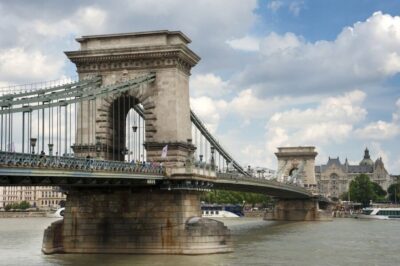
3-Hour Orientation Walking Tour of Buda and Pest
Read our review →

Budapest Historical Sightseeing – Free Walking Tour
Read our review →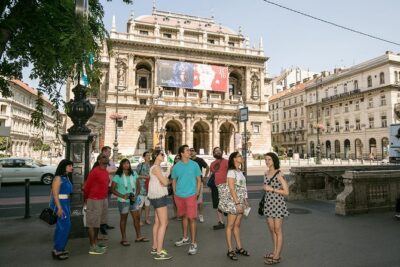
Budapest All in One Small Group Walking Tour with Strudel Stop
Read our review →
Buda Castle District Walking Tour with a Historian
Read our review →Browse the lists this tour appears in